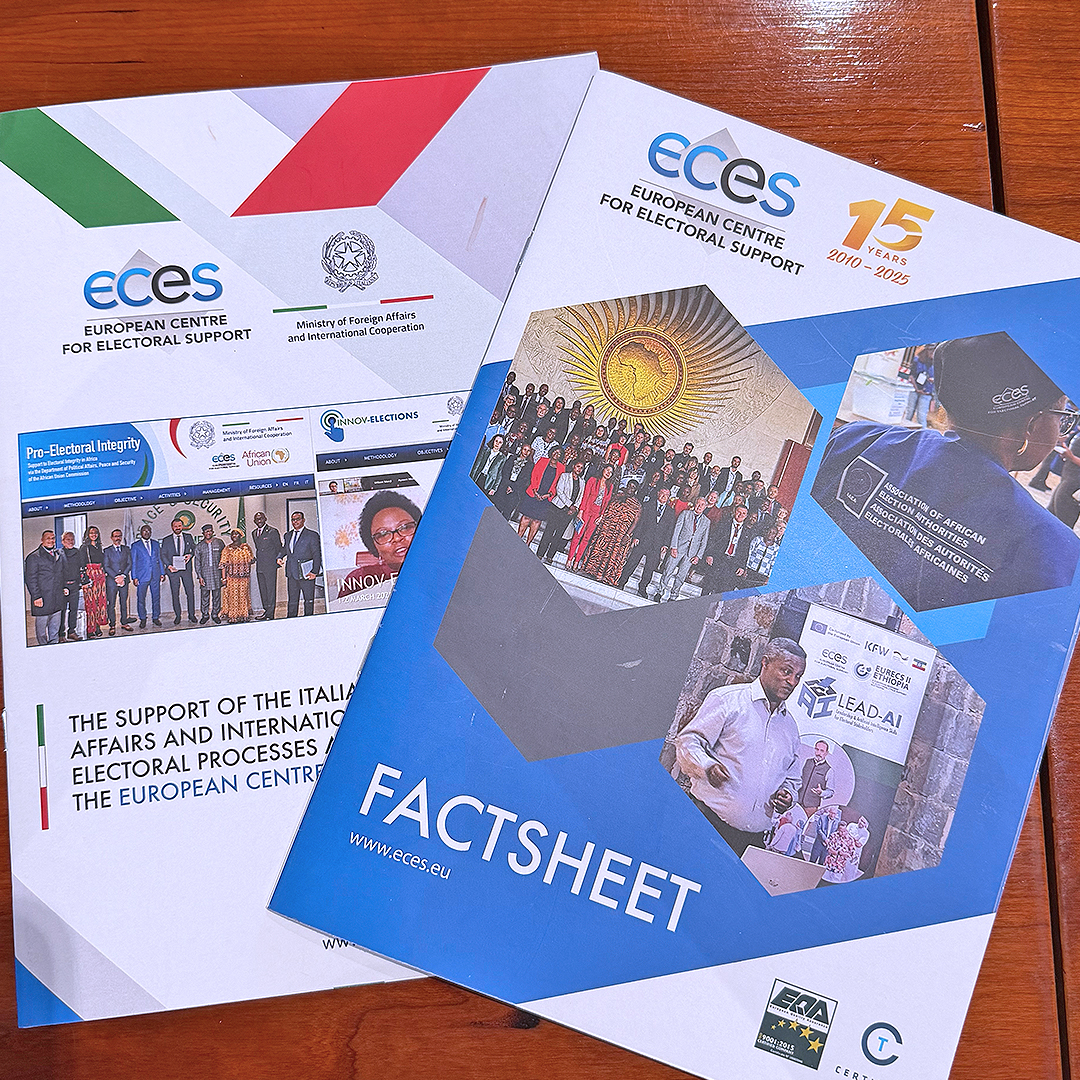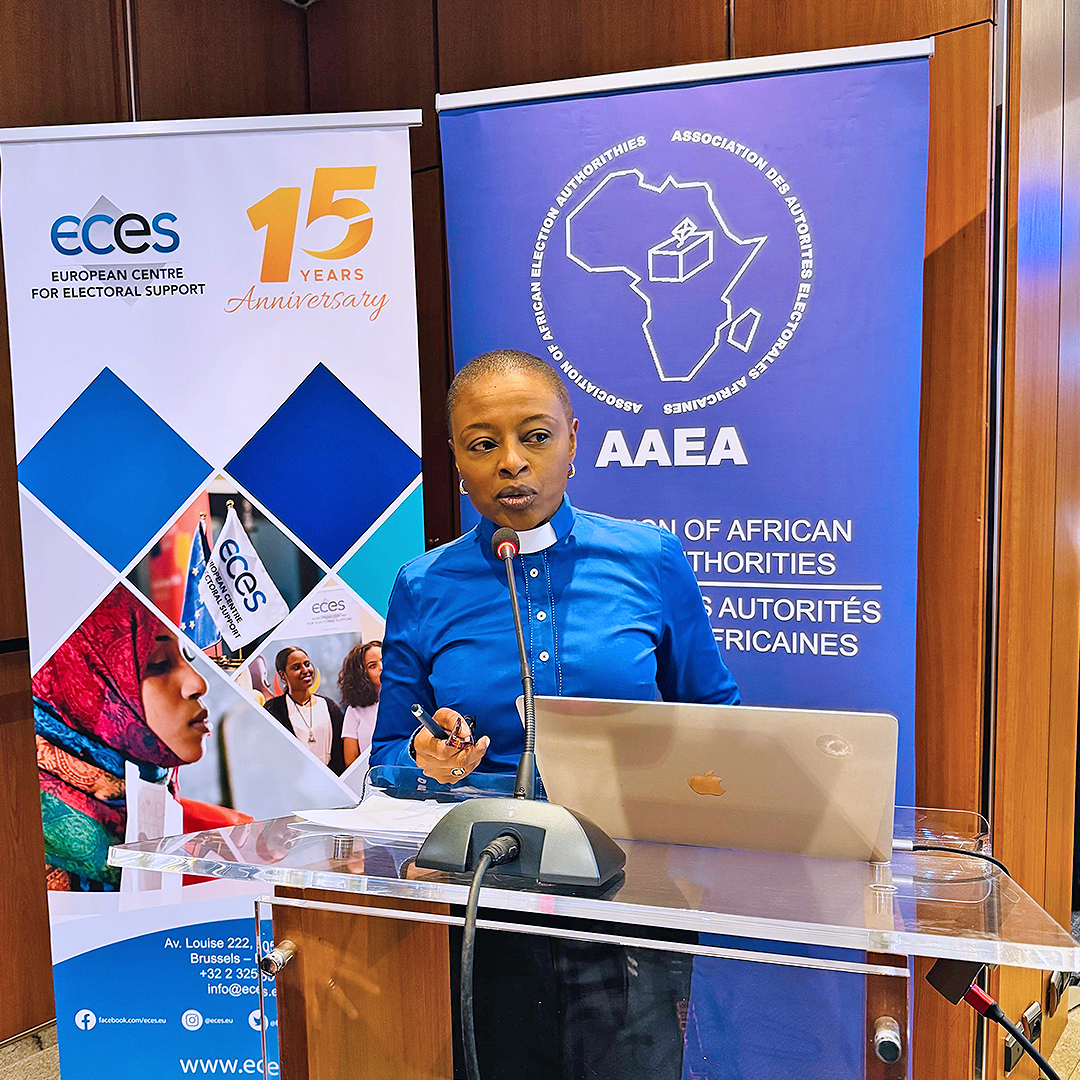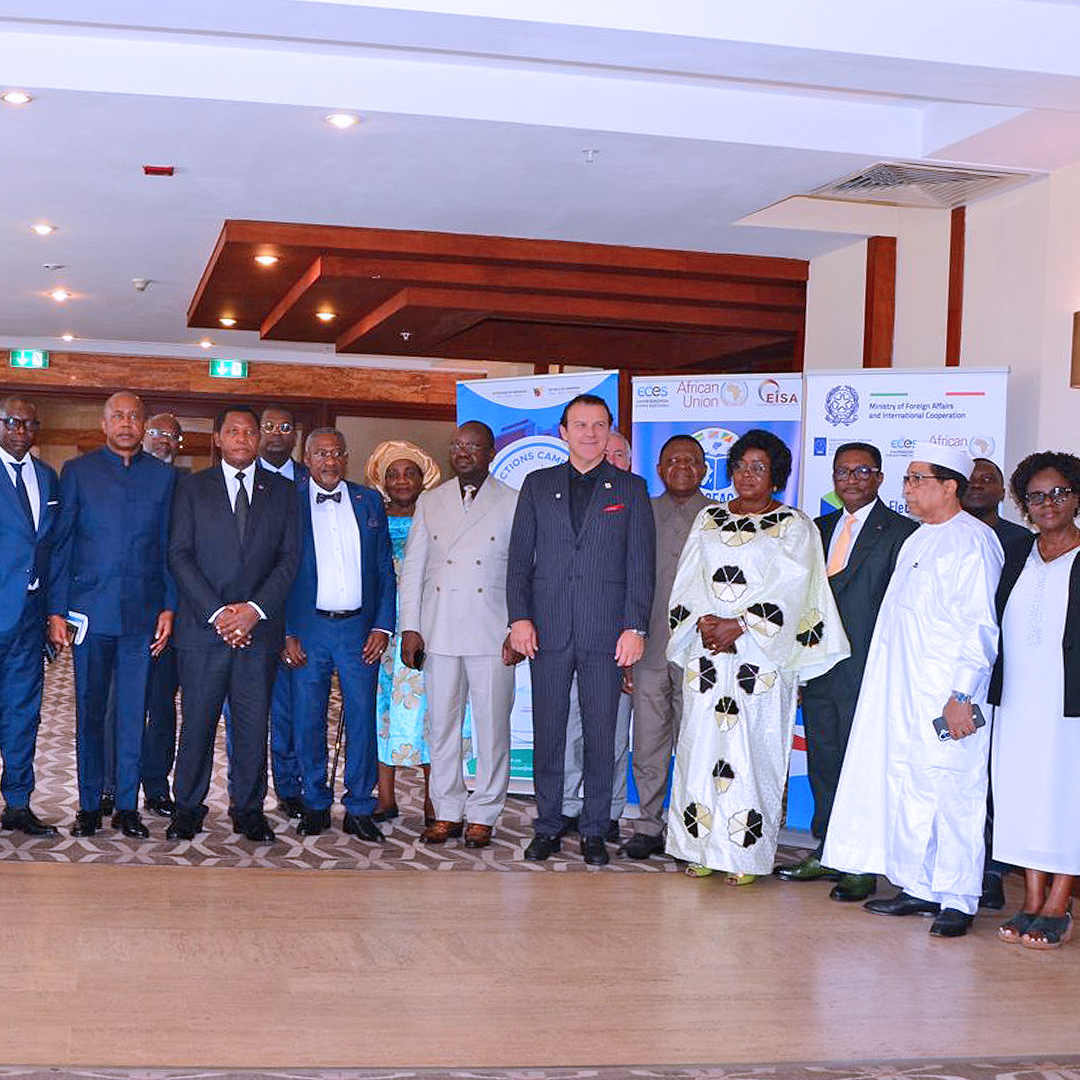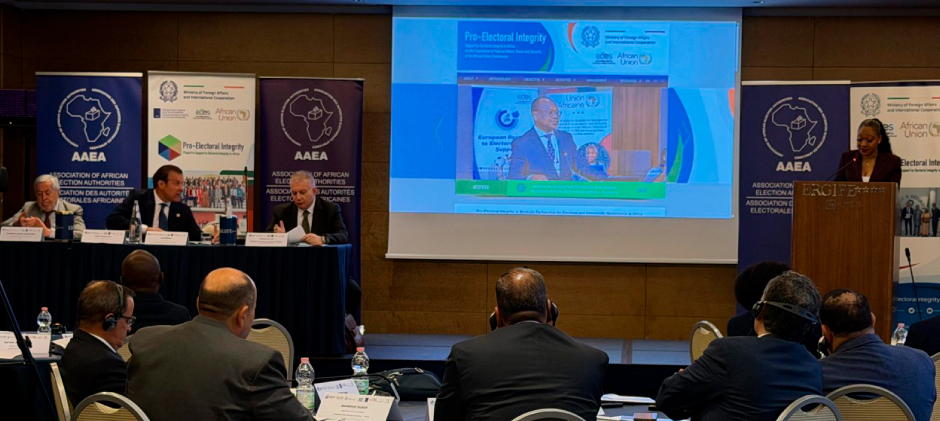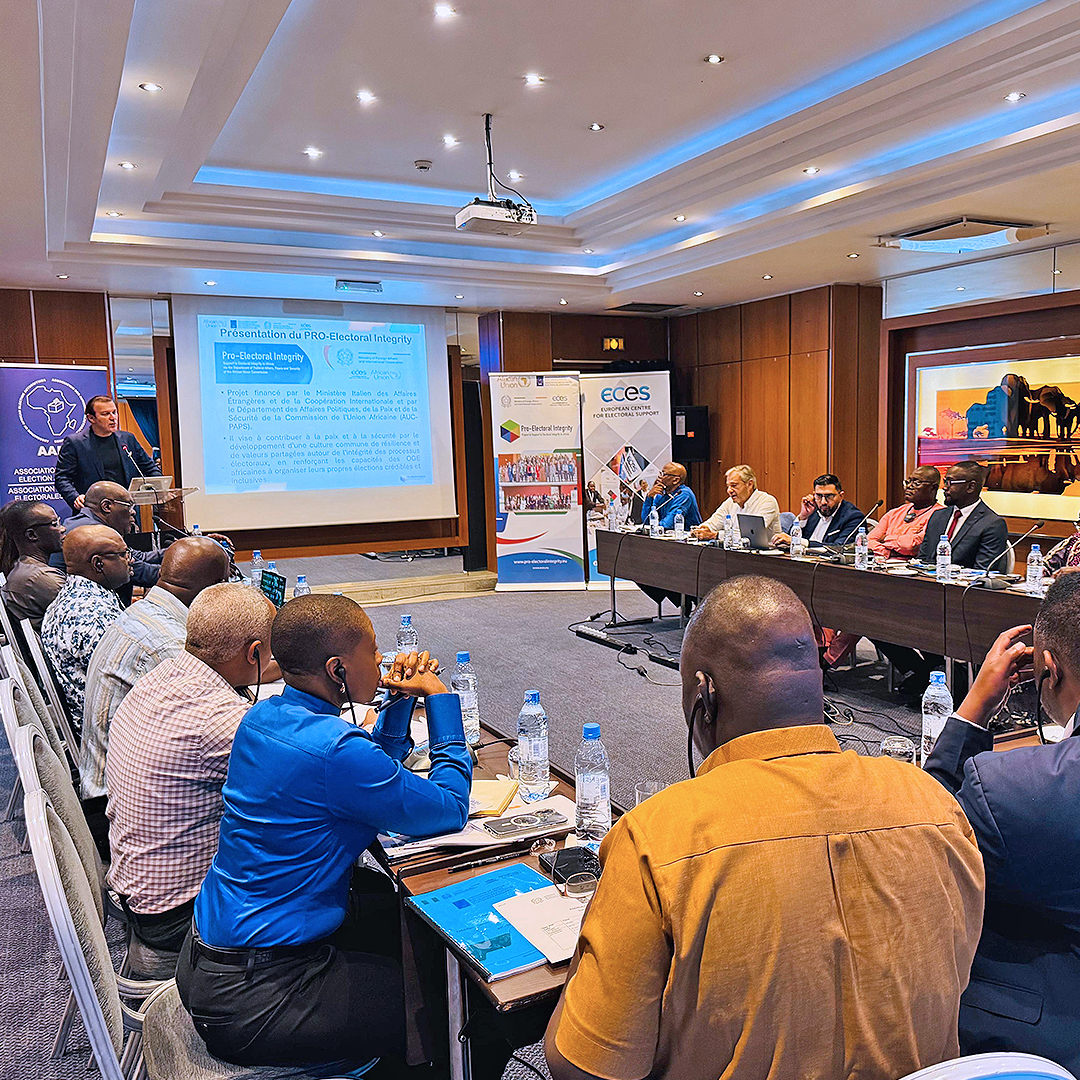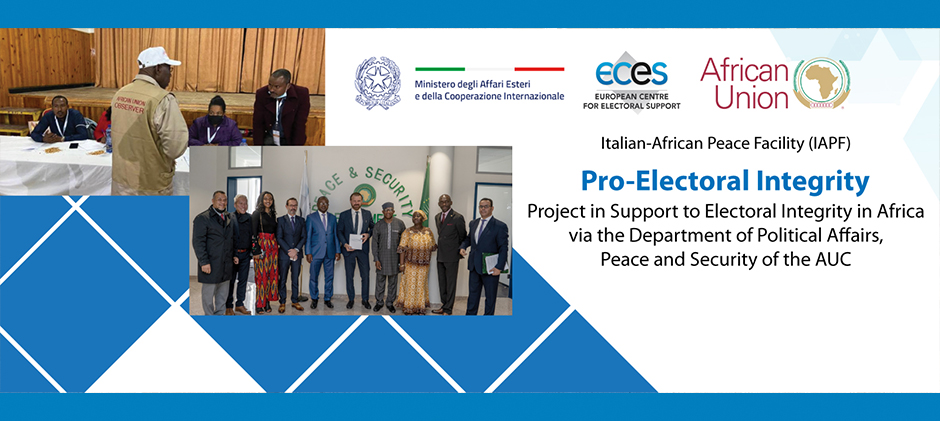
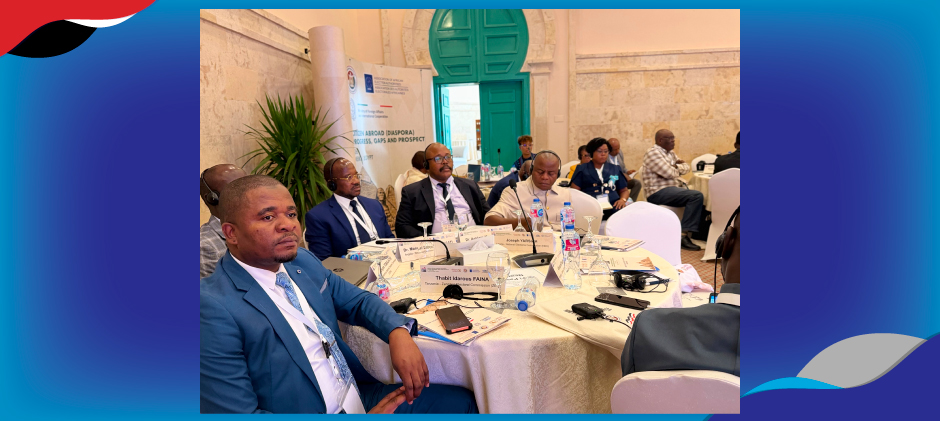
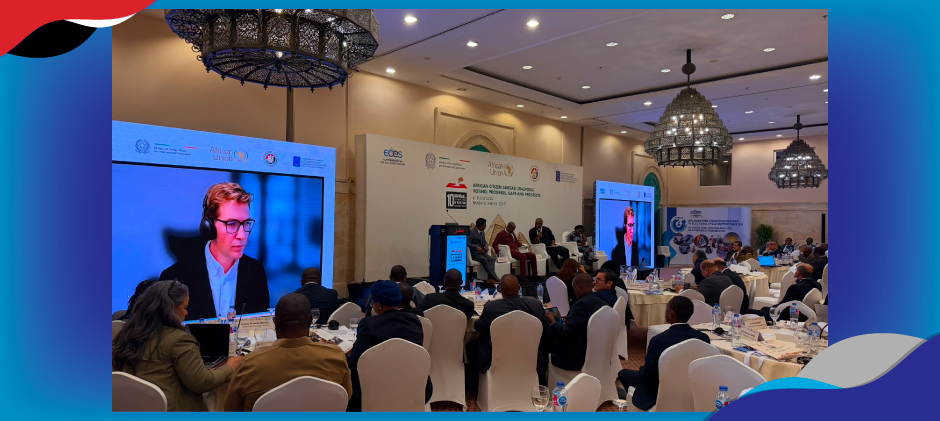
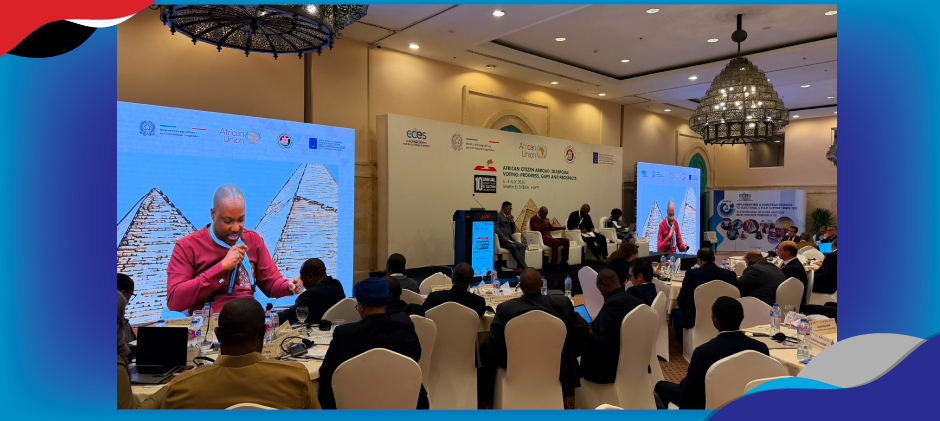
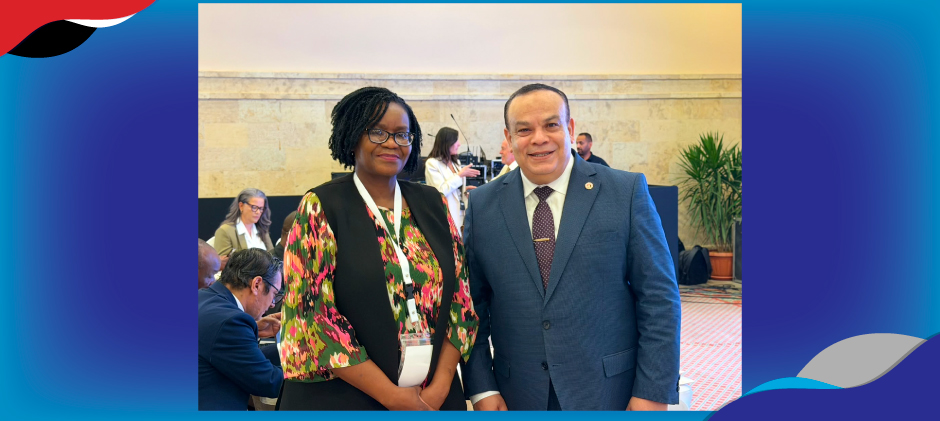





















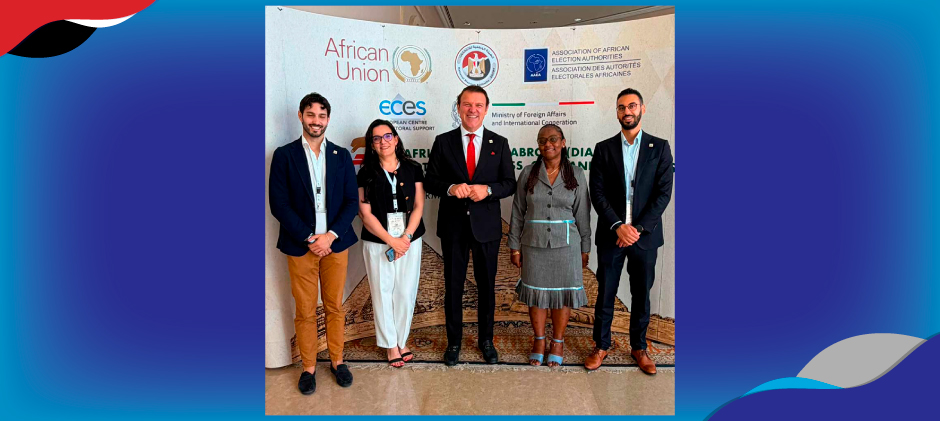
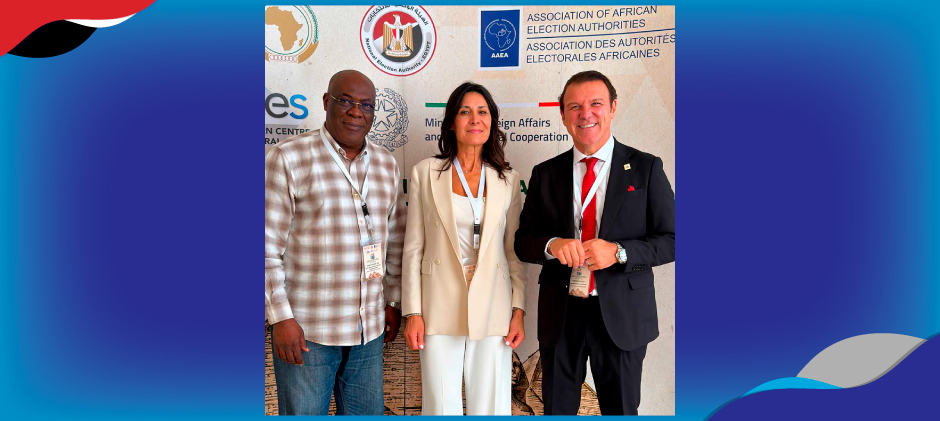



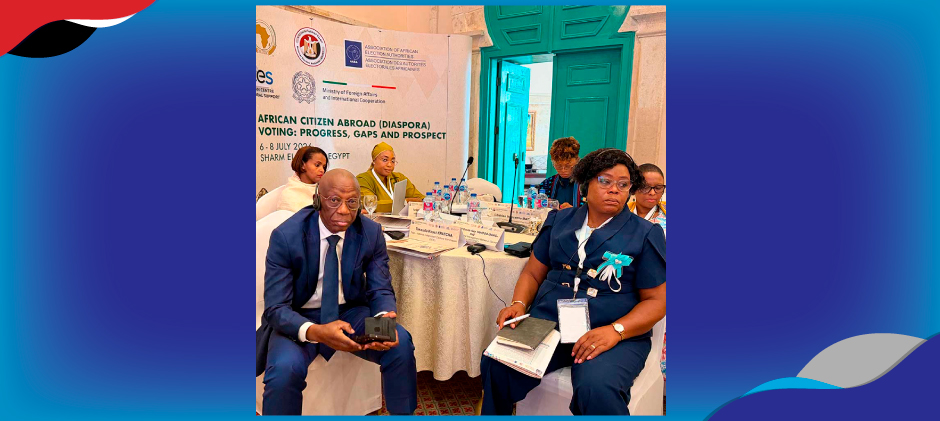
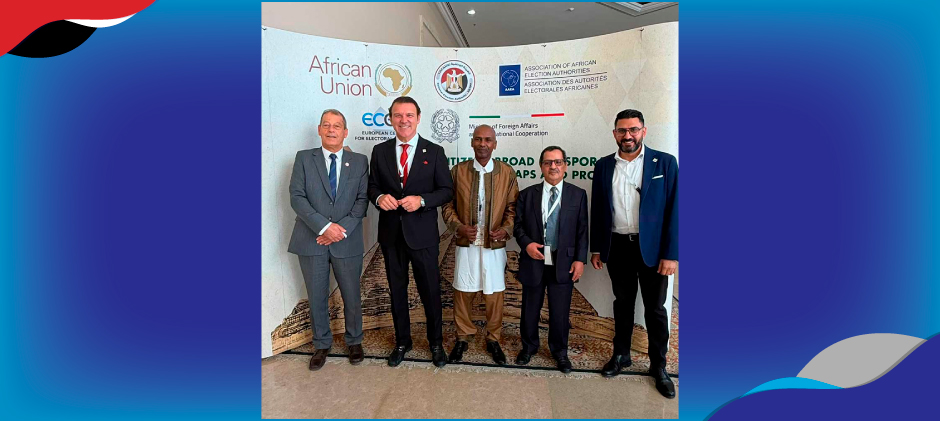
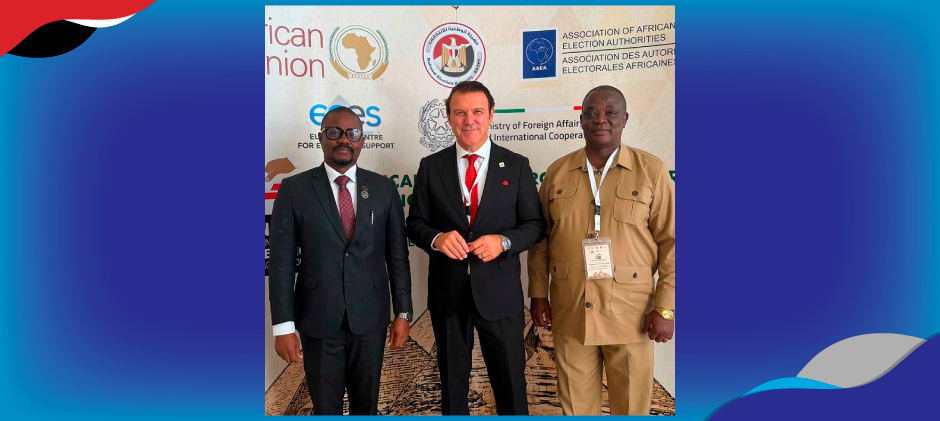
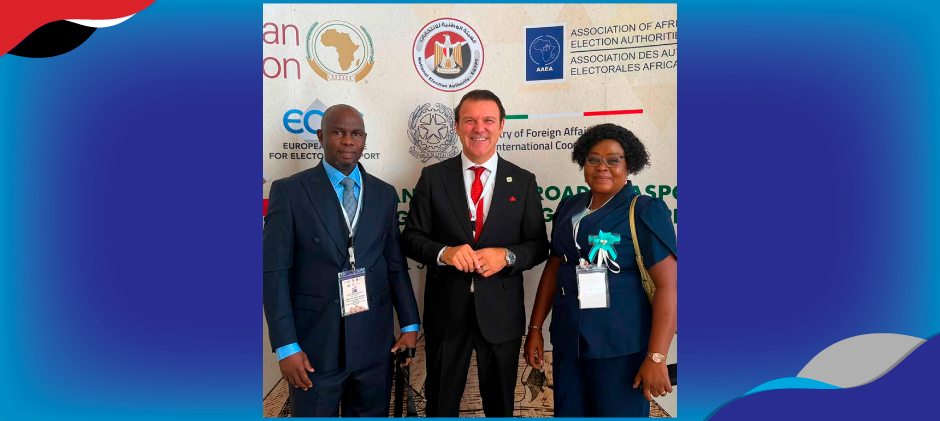


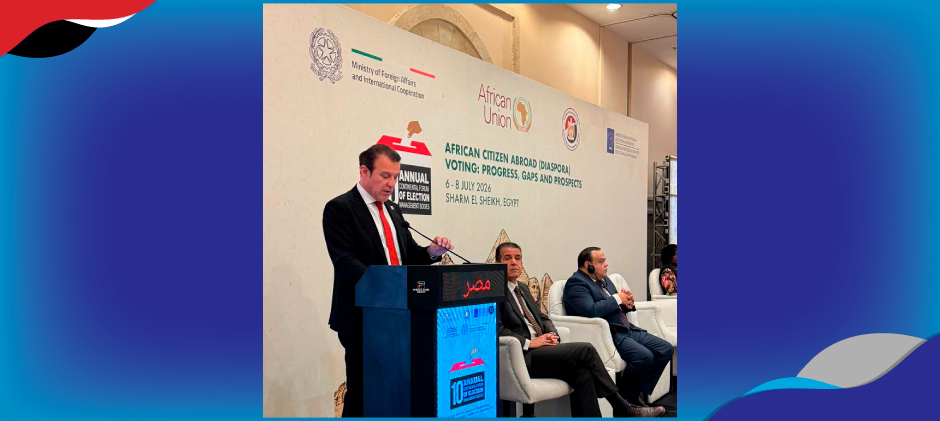



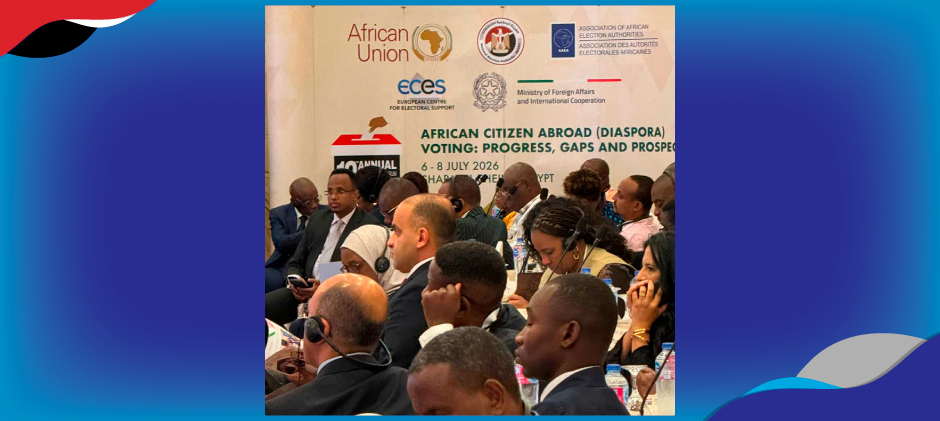
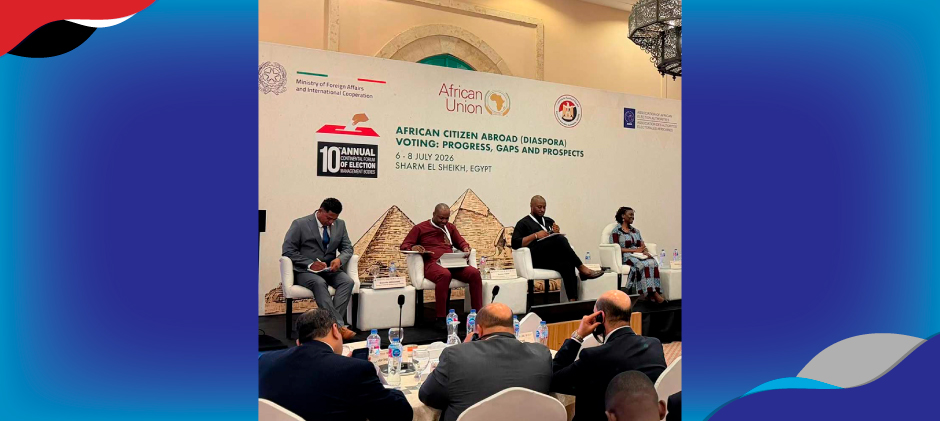


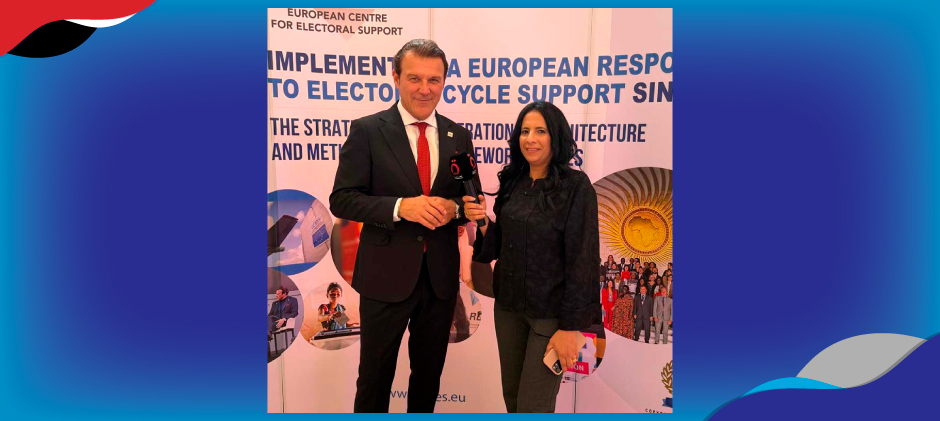



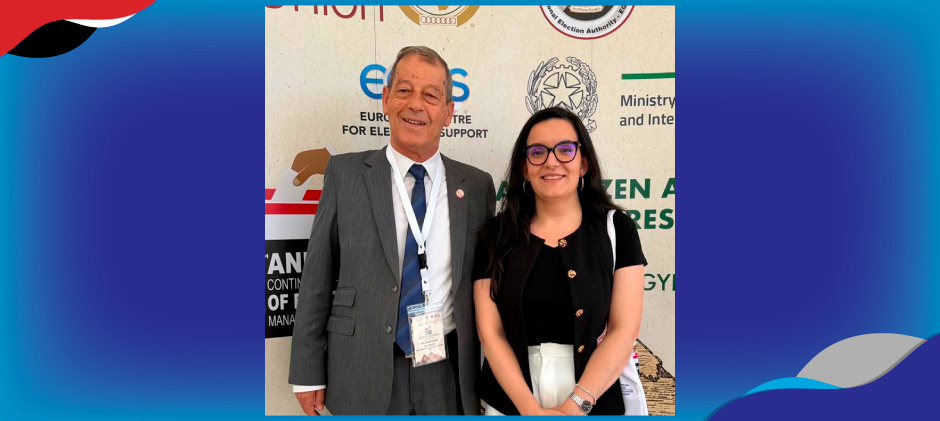
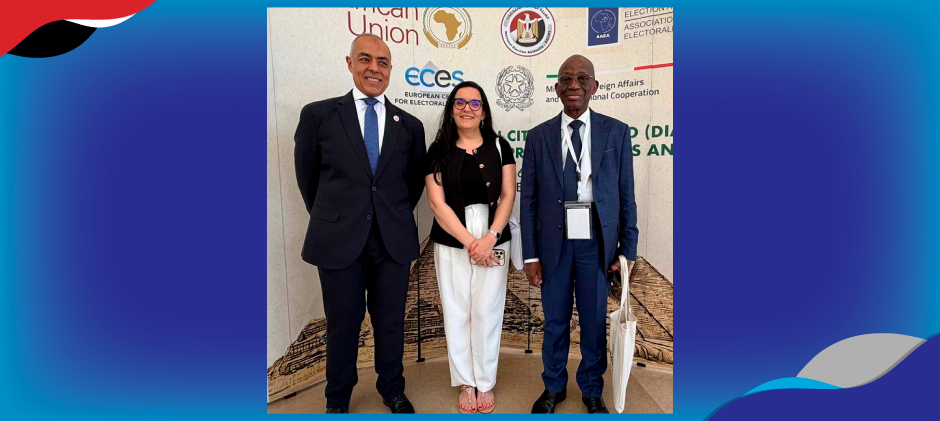






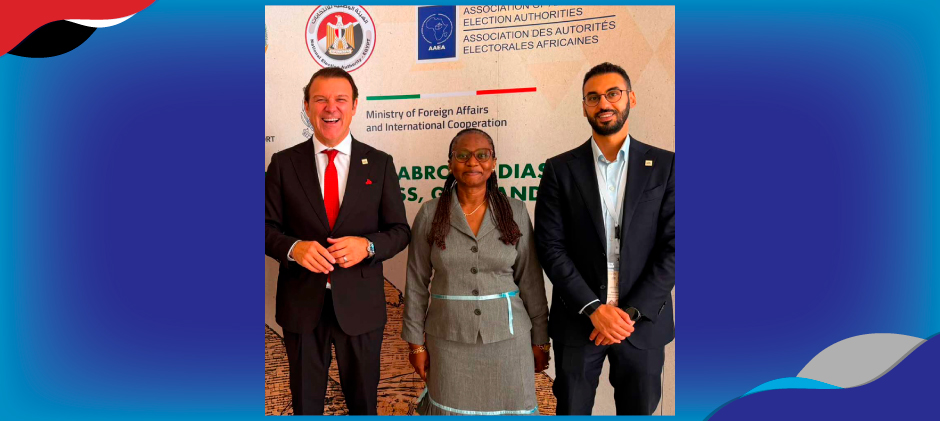
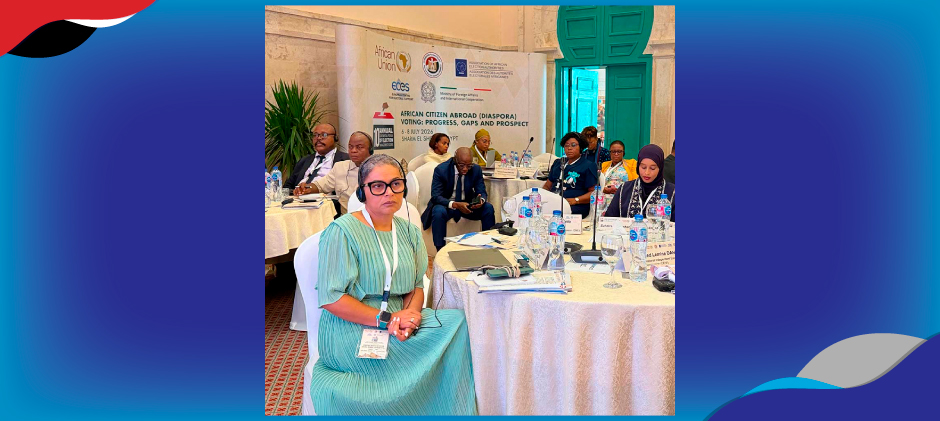




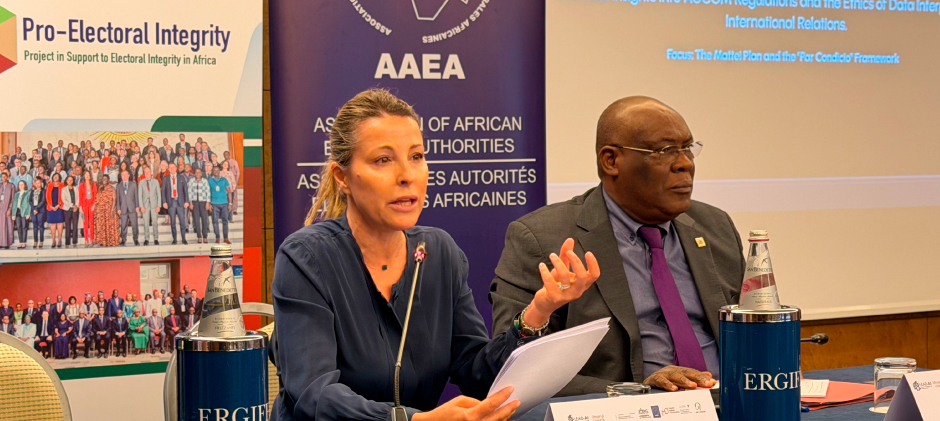
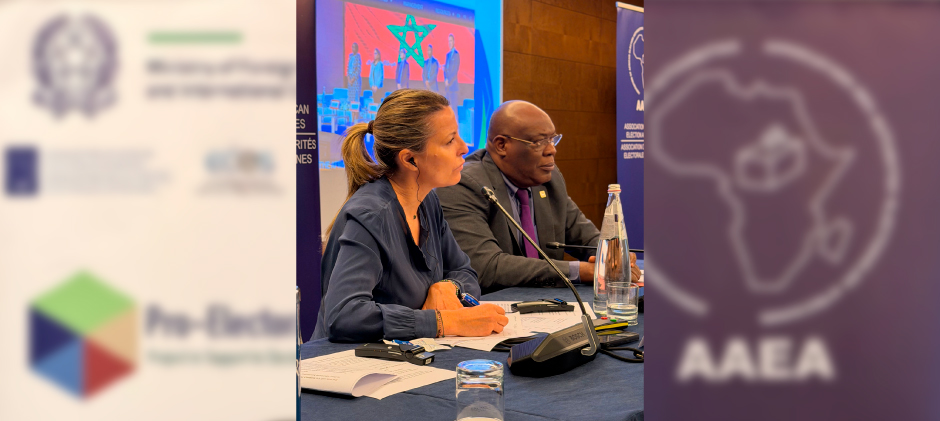
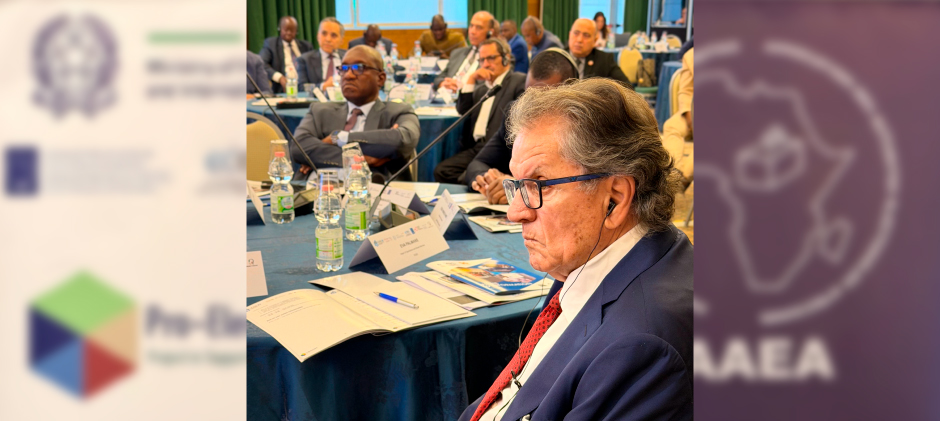
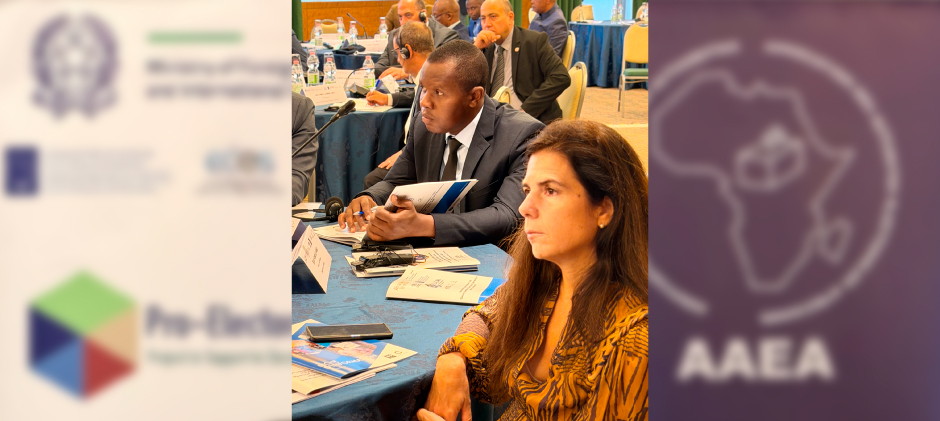










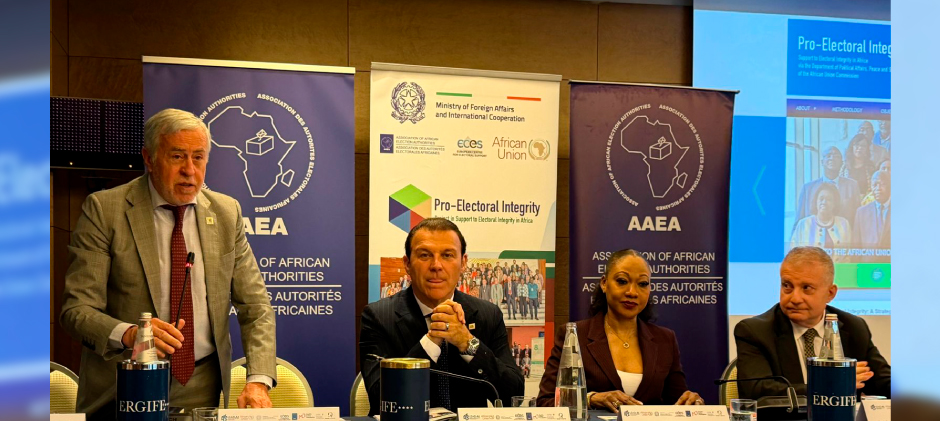
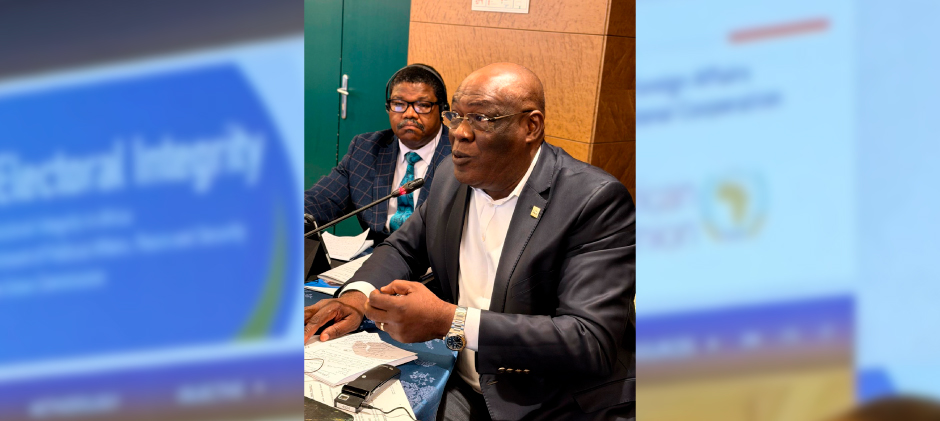
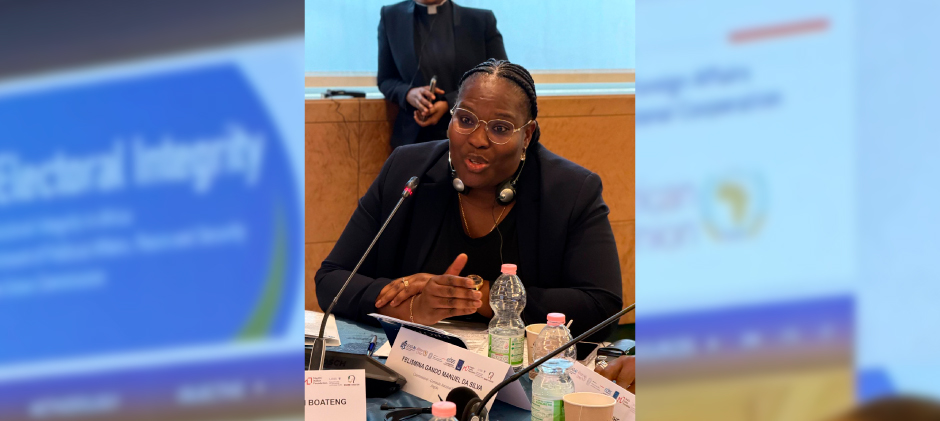
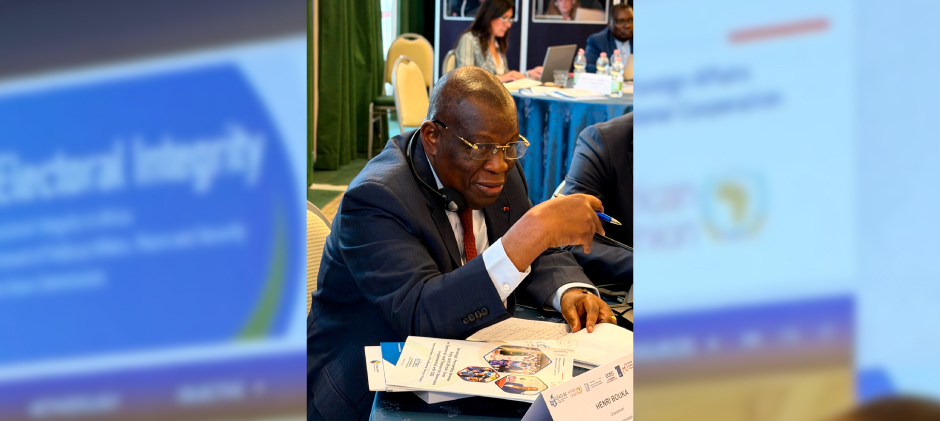










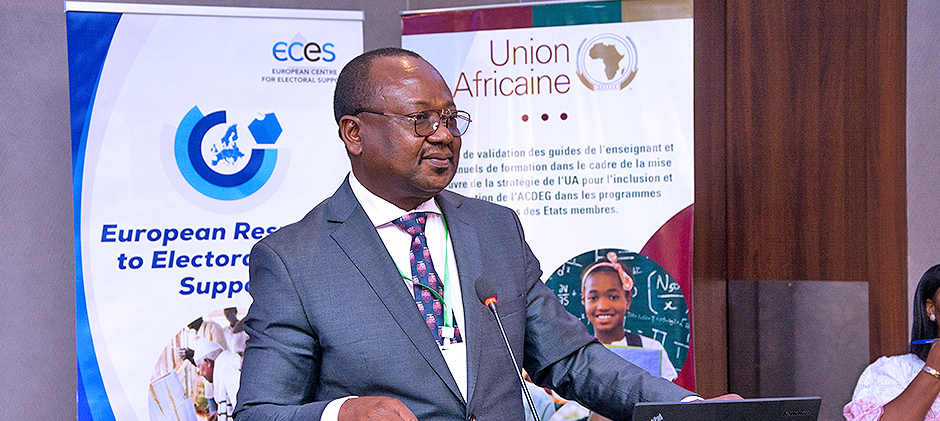
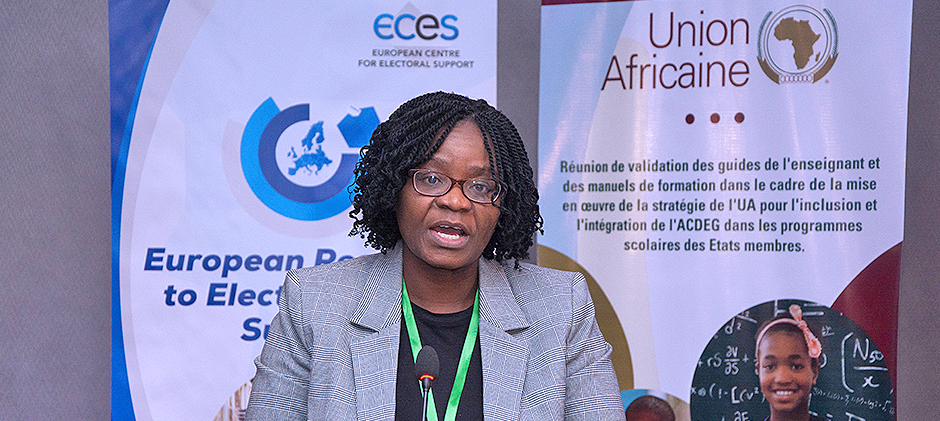
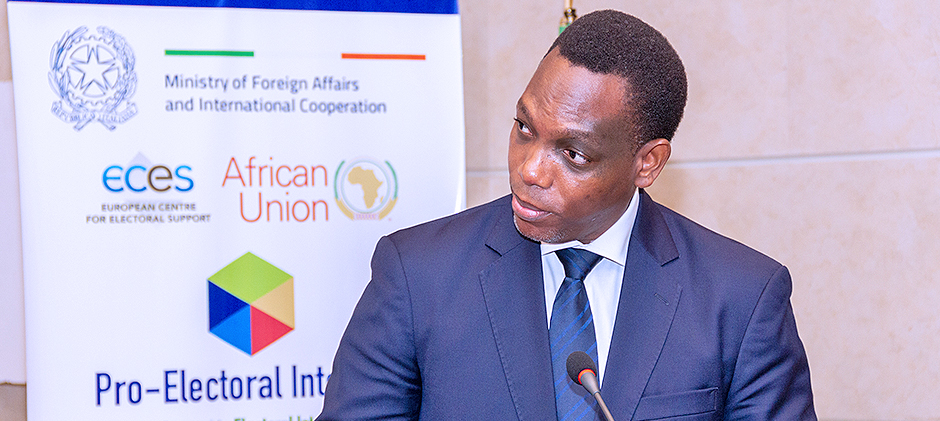







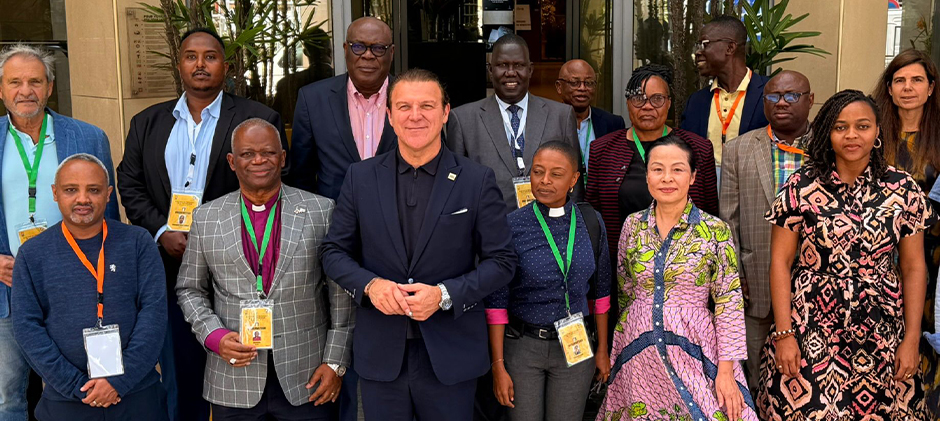
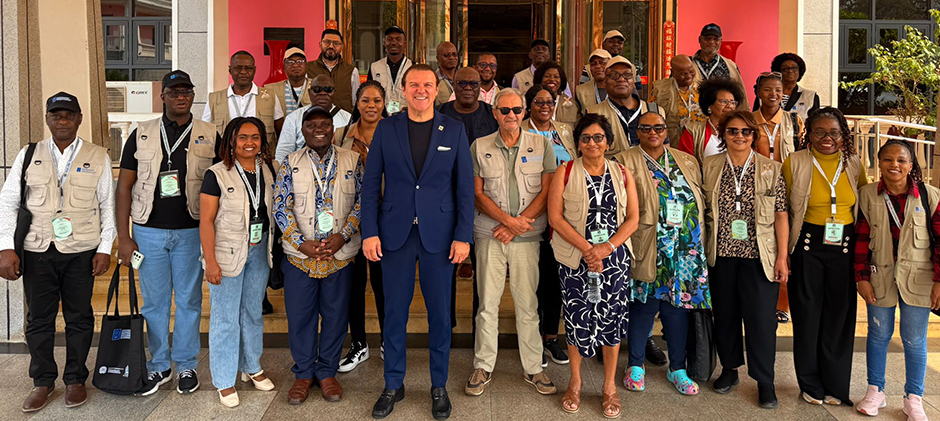
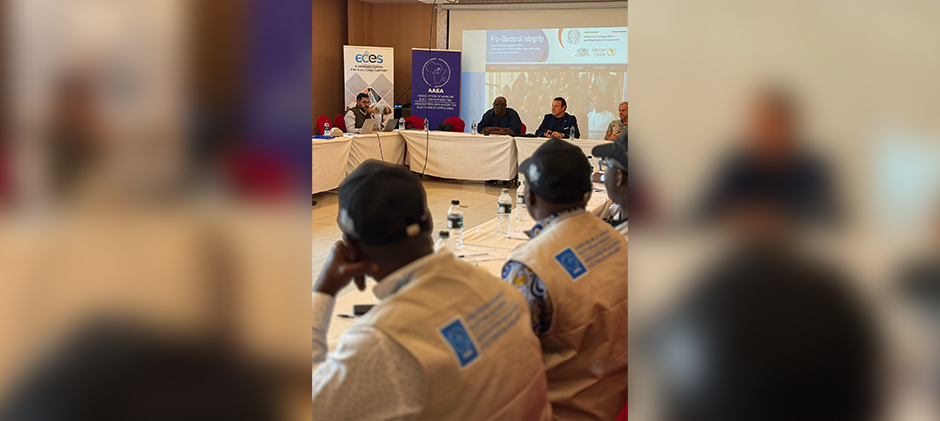
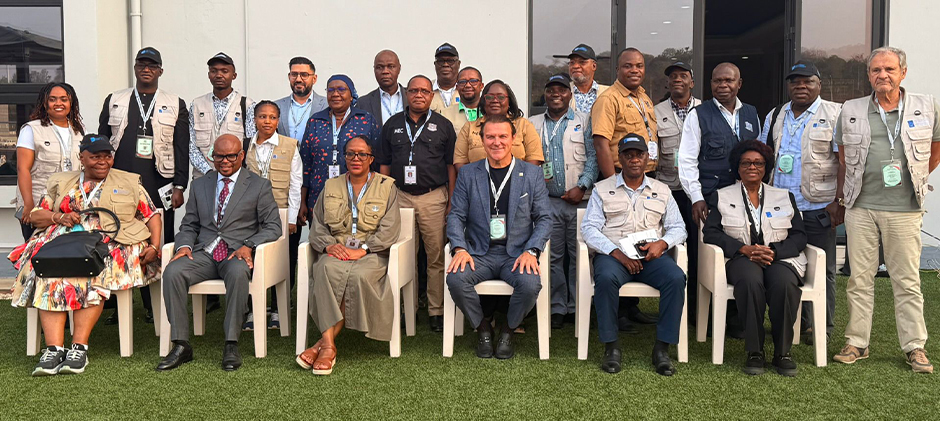





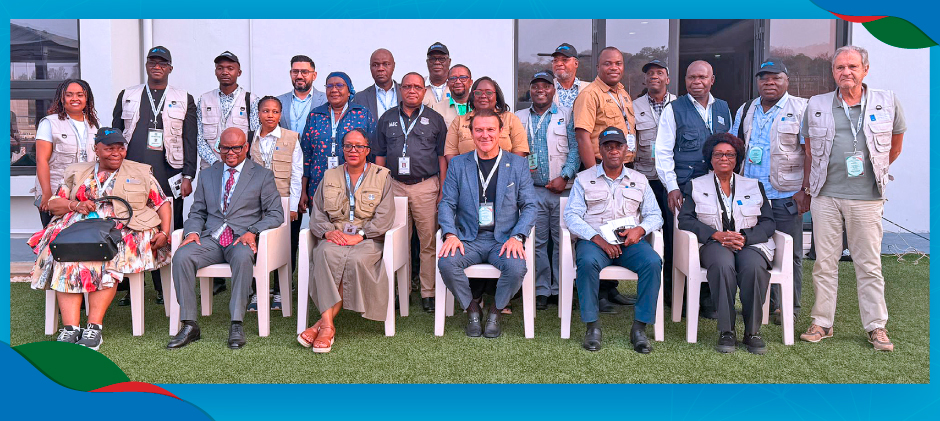
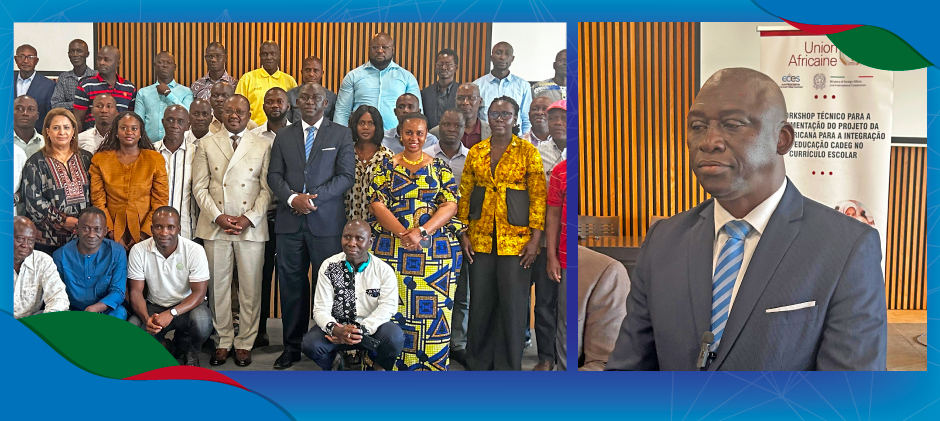
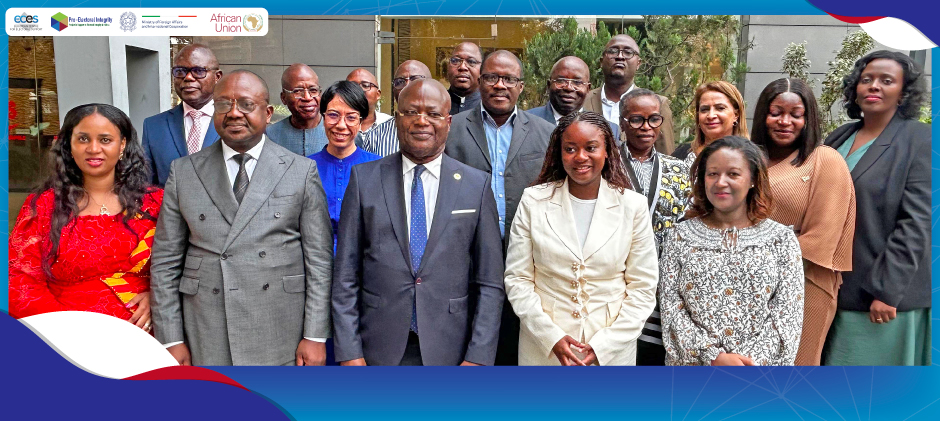
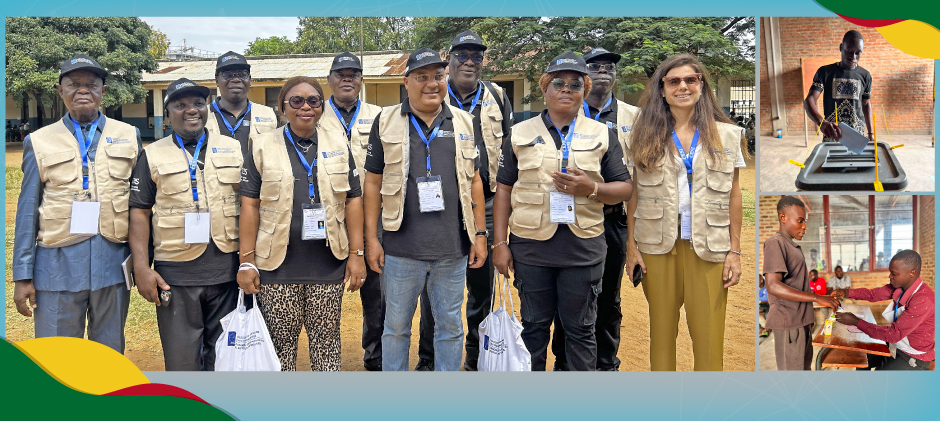
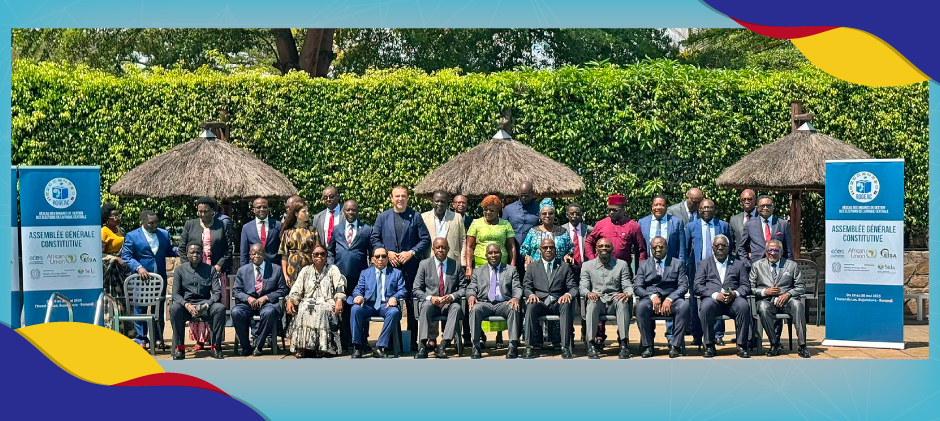

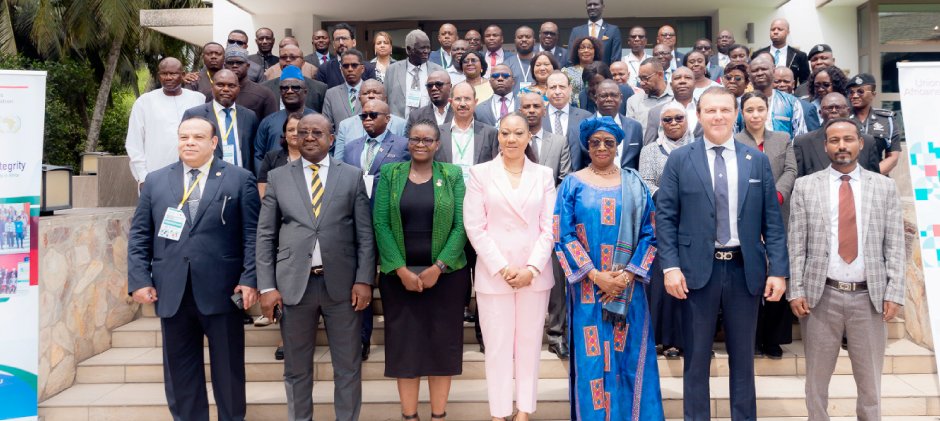
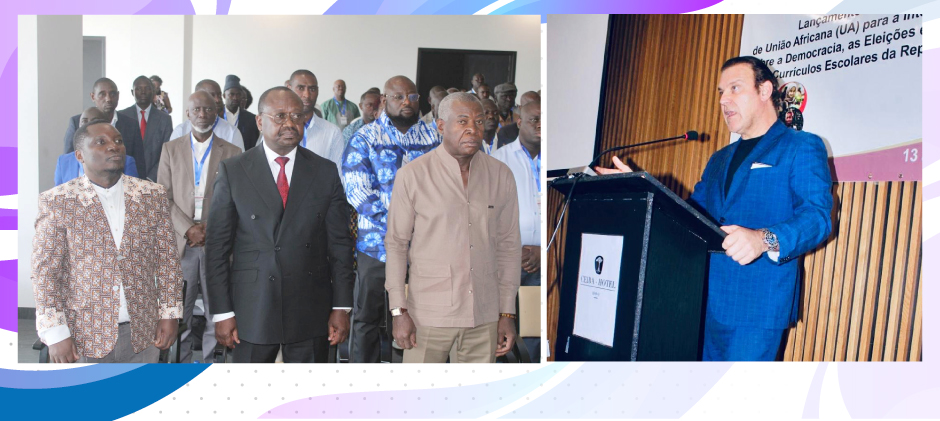
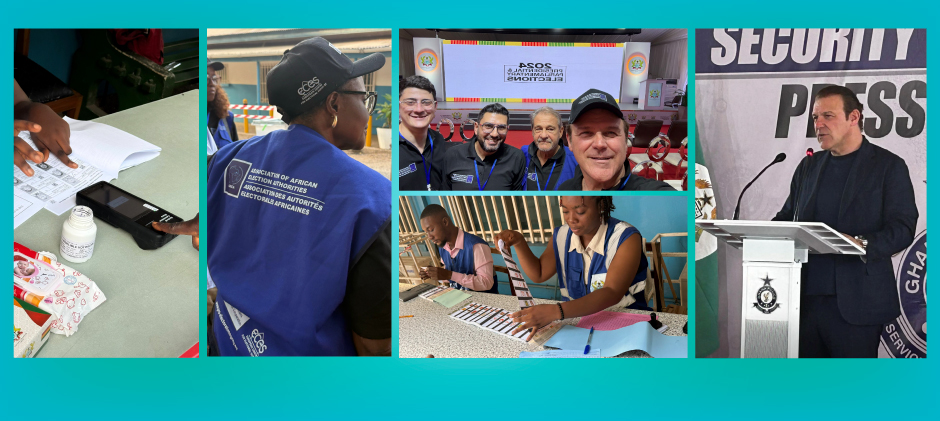



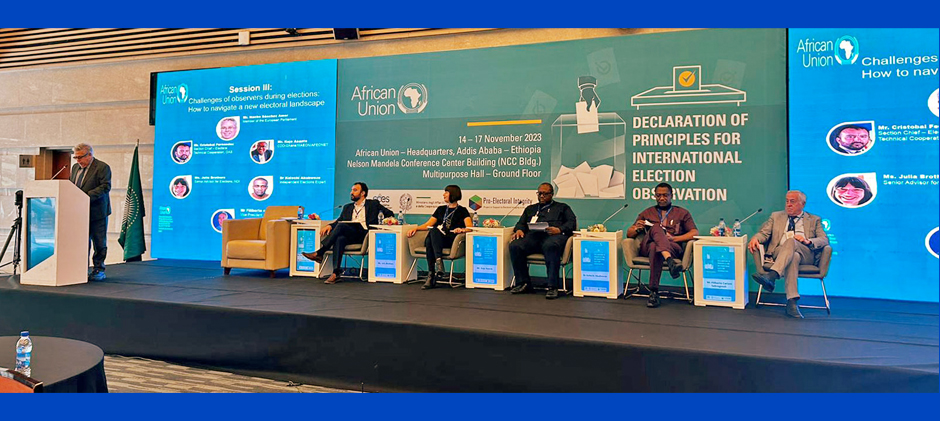
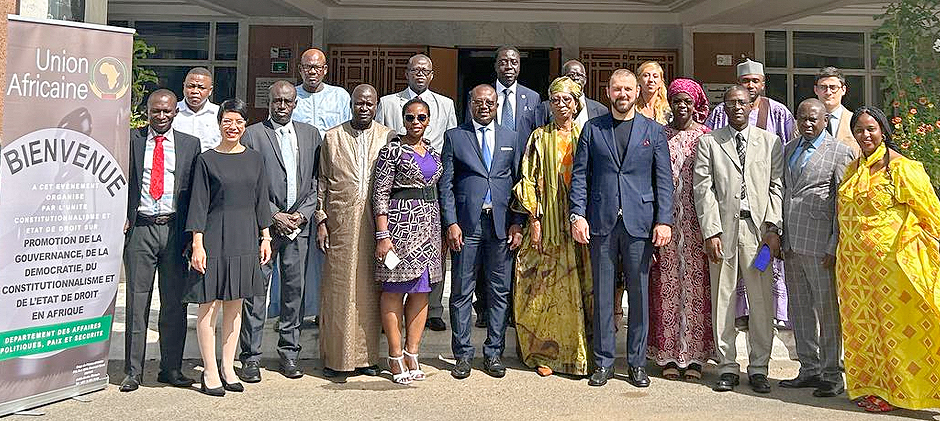
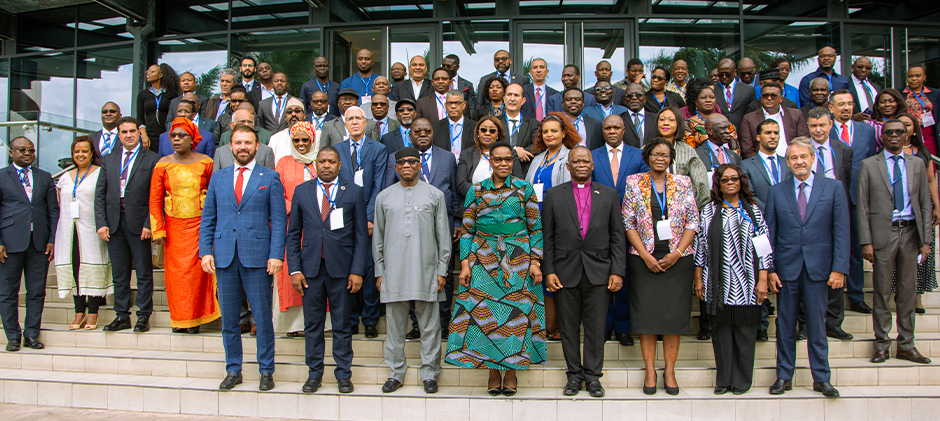



The “Pro-Electoral Integrity” project, funded by the Italian Ministry of Foreign Affairs and International Cooperation, is implemented by the European Centre for Electoral Support (ECES) in strategic partnership with the African Union Commission’s Department of Political Affairs, Peace and Security (AUC-PAPS).
 At a time when electoral processes worldwide are increasingly shaped by complex political, technological, and security dynamics, the project contributes to promoting electoral integrity and strengthening institutional resilience as important components of conflict prevention, stability, and democratic governance across Africa.
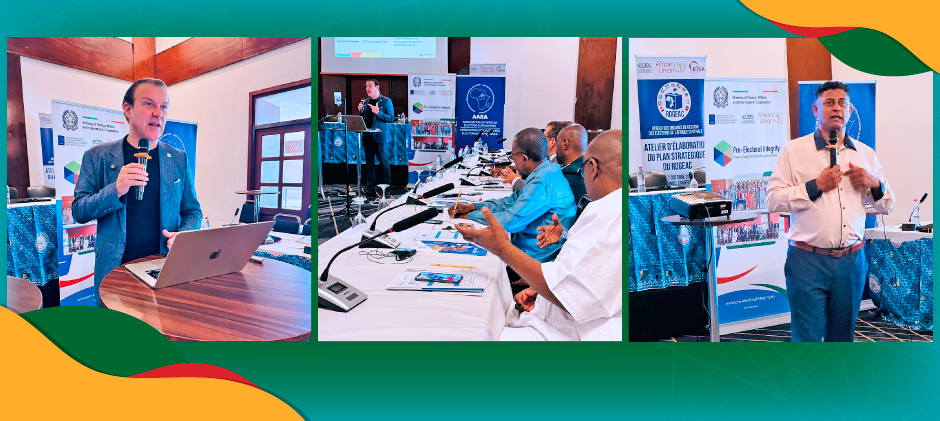
Anchored in a shared vision between Italy, the African Union Commission, and ECES, the initiative supports African-led electoral governance processes through peer exchange, comparative experiences, and cooperation aligned with international electoral standards. It contributes to strengthening the institutional and operational capacities of African Electoral Management Bodies (EMBs) and their regional networks to deliver credible, inclusive, and transparent electoral processes.
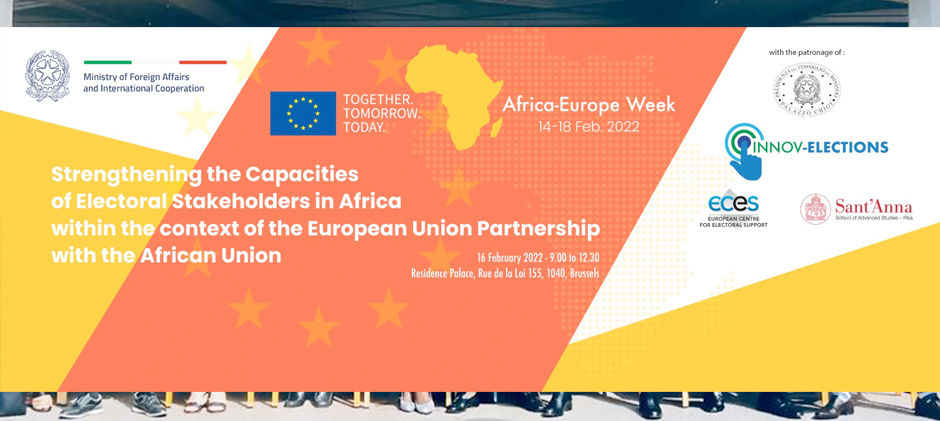
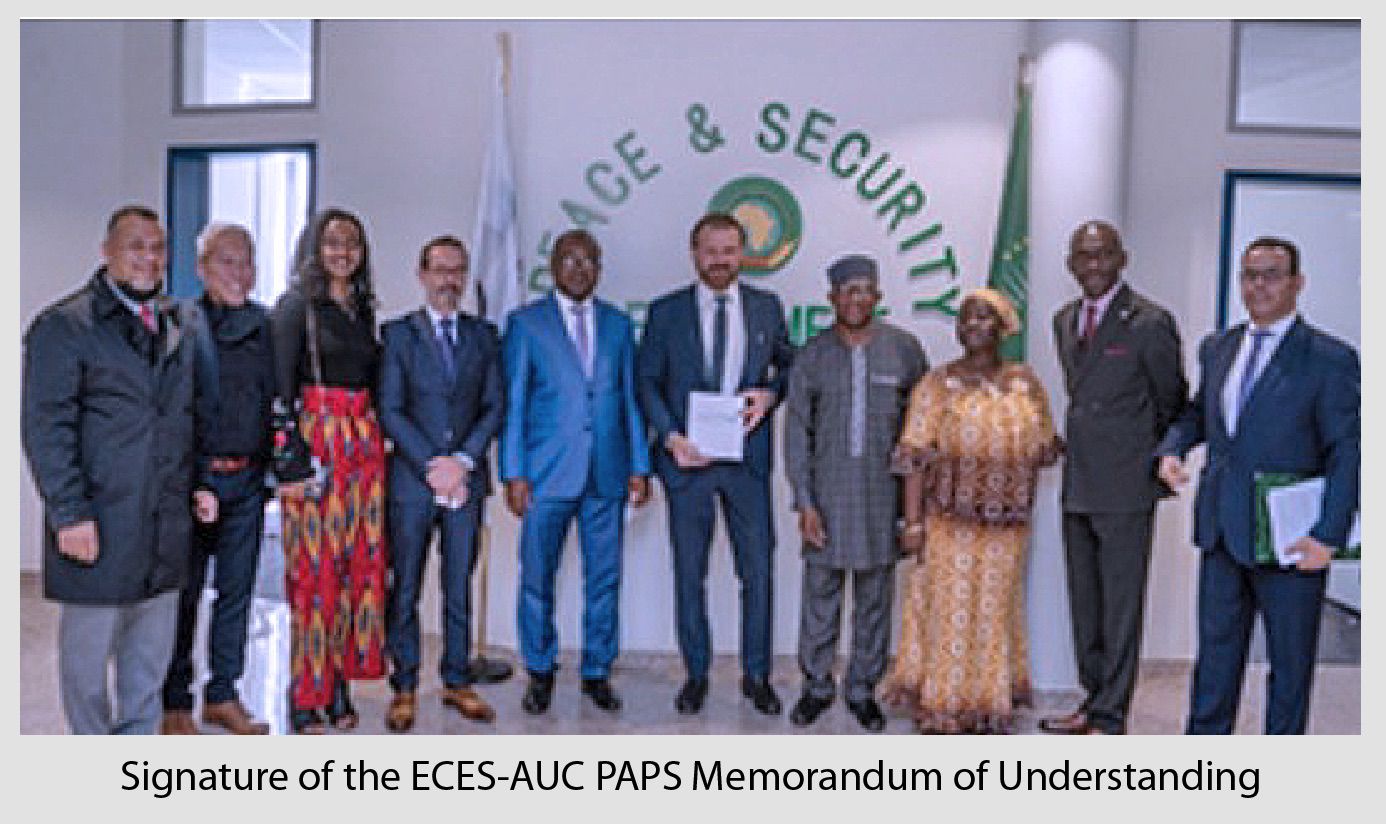
The project builds on a longstanding and results-driven cooperation between ECES and AUC-PAPS and capitalises on the achievements of the Innov-Elections programme, a previous initiative funded by the Italian Government. Through this continuity, Italy has progressively reinforced its role as a strategic partner of the African Union in the field of electoral and democratic governance, supporting African-led processes through sustained political and financial engagement.
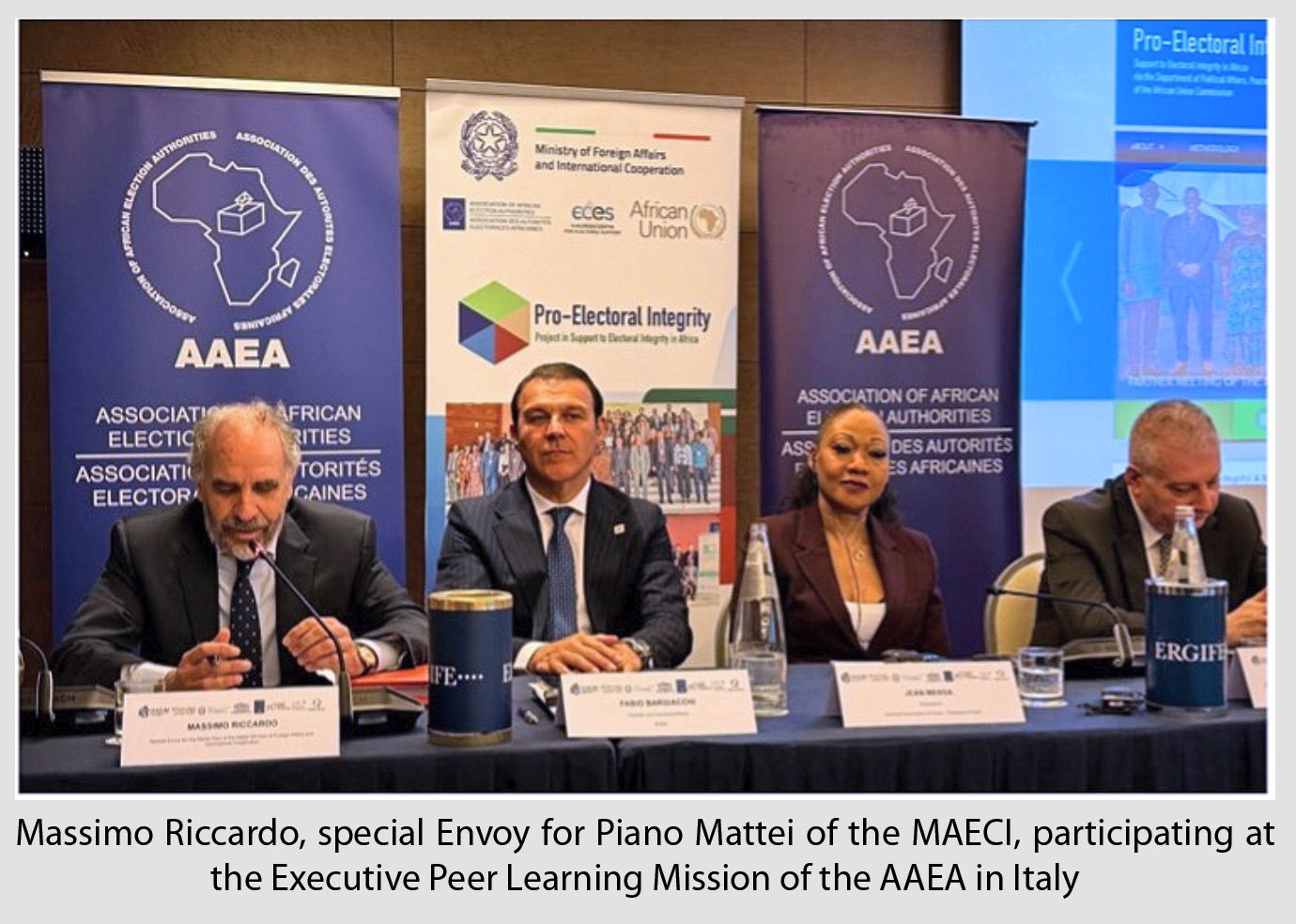 In line with Italy’s broader Africa strategy and the spirit of the Mattei Plan for Africa, the initiative also reflects an increasing recognition that democratic resilience, institutional capacity, cybersecurity, and governance of emerging technologies such as artificial intelligence are closely linked to long-term stability, security, and sustainable partnerships between Africa and Europe.
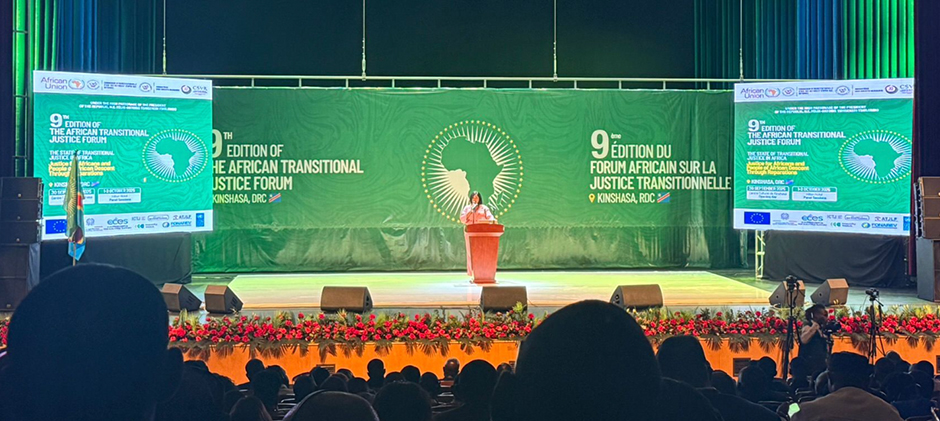
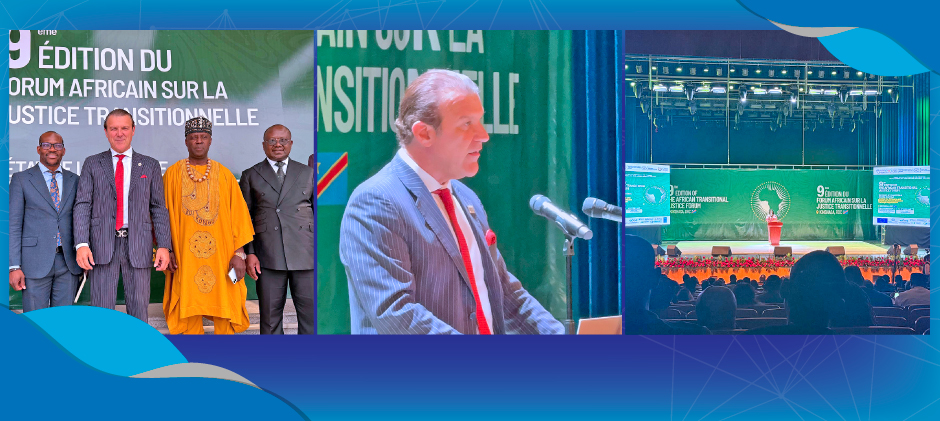
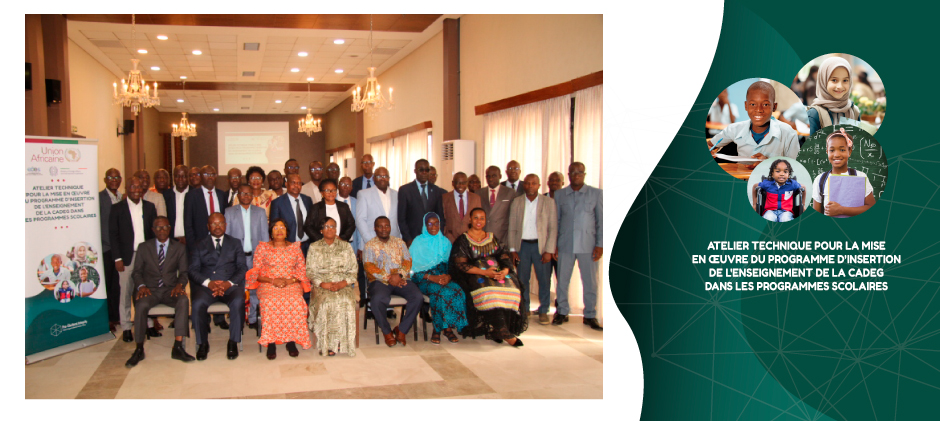
Designed as a comprehensive and forward-looking response to evolving electoral challenges, the project provides technical assistance, facilitates high-level peer learning, and contributes to operational support for a broad range of electoral stakeholders across the continent. It promotes a systemic approach across the full electoral cycle, including activities related to transitional justice, civic and voter education, and the dissemination of the principles of the African Charter on Democracy, Elections and Governance through educational curricula.
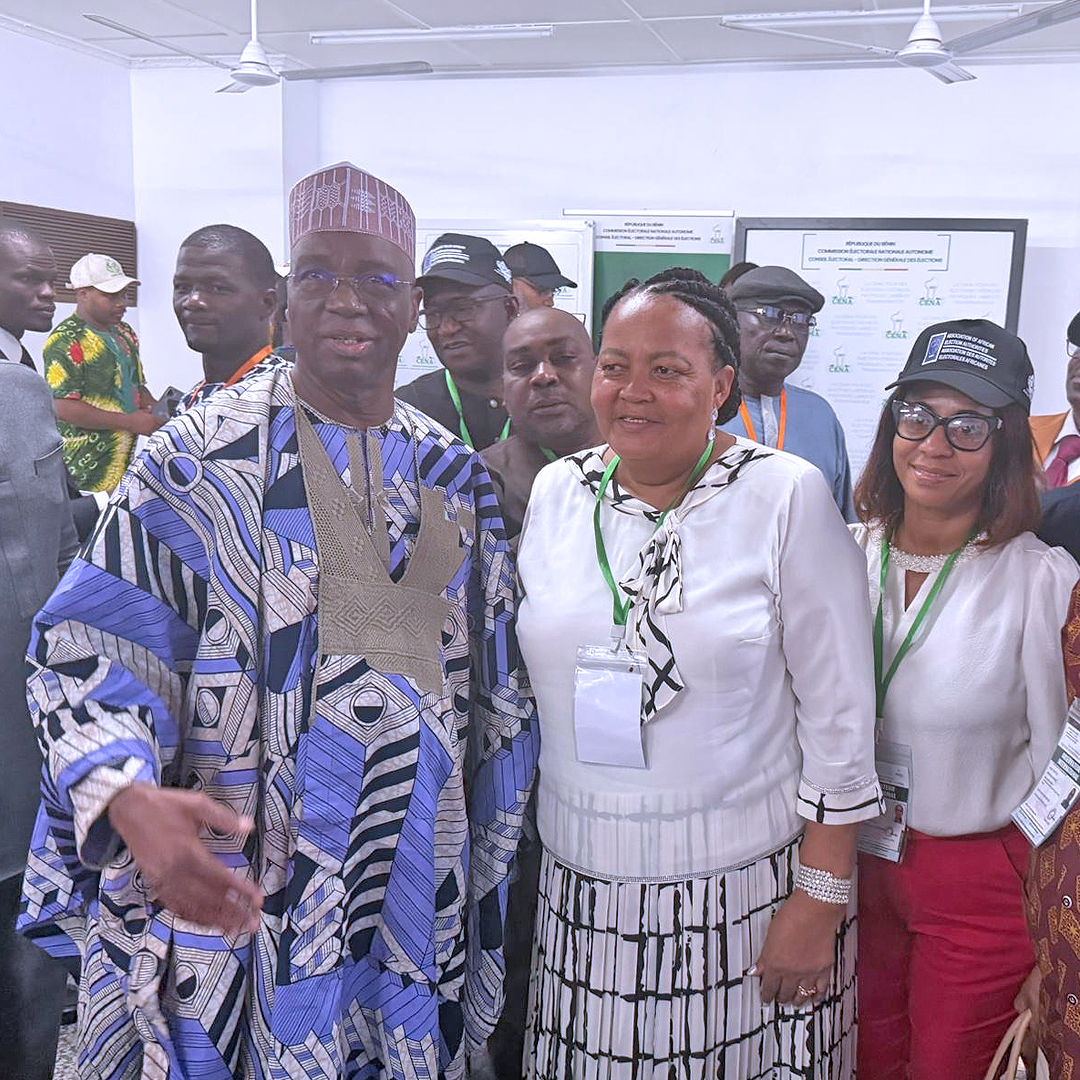
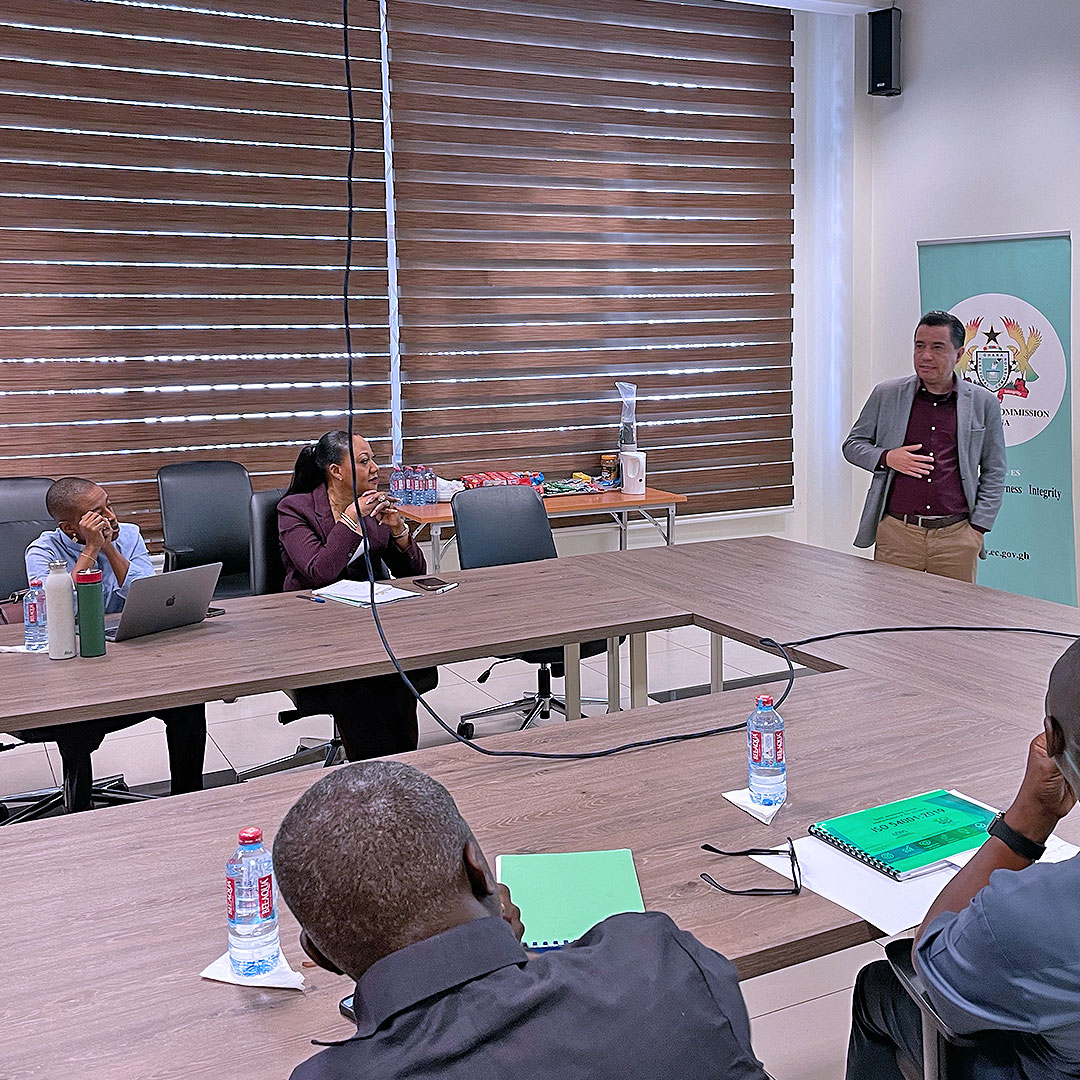
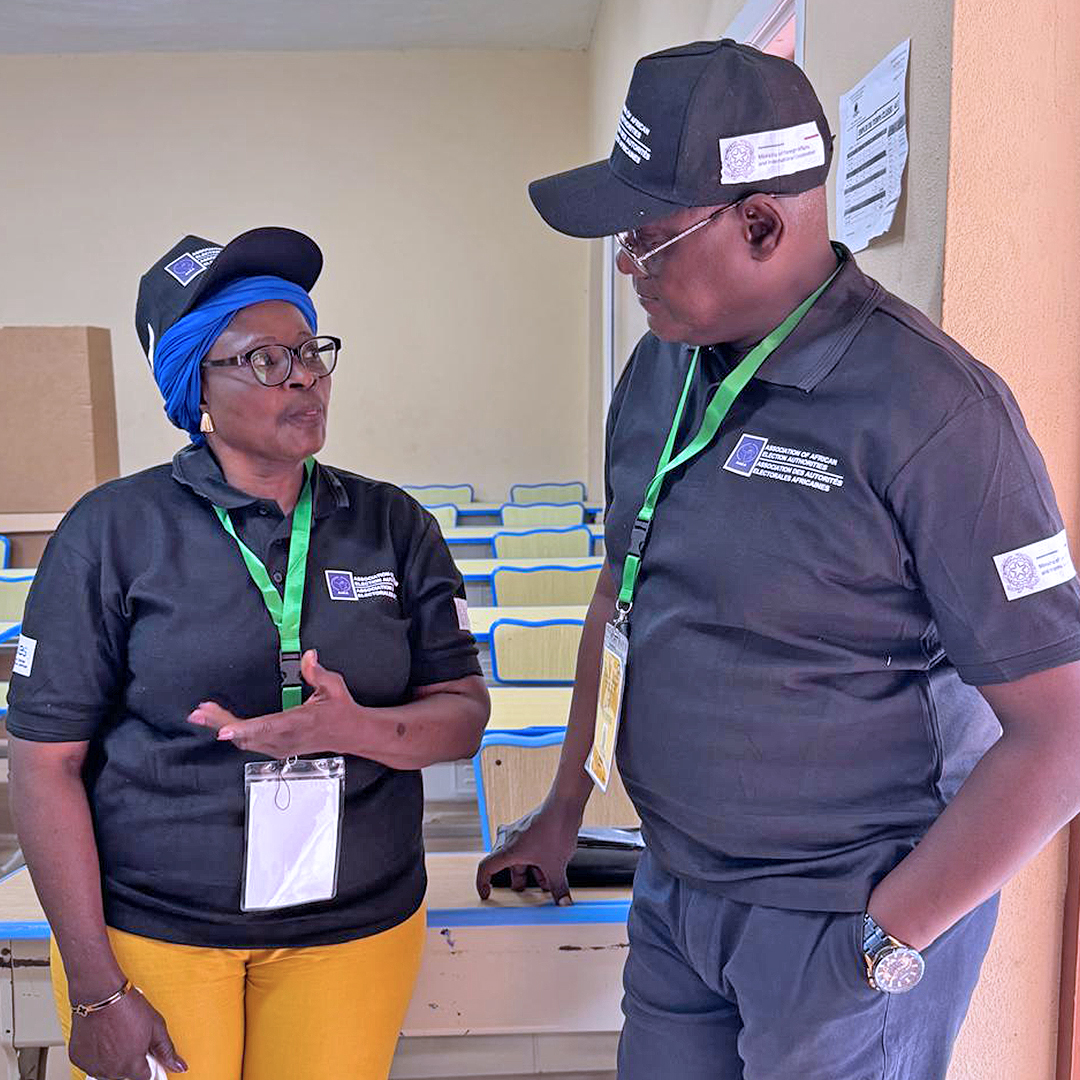
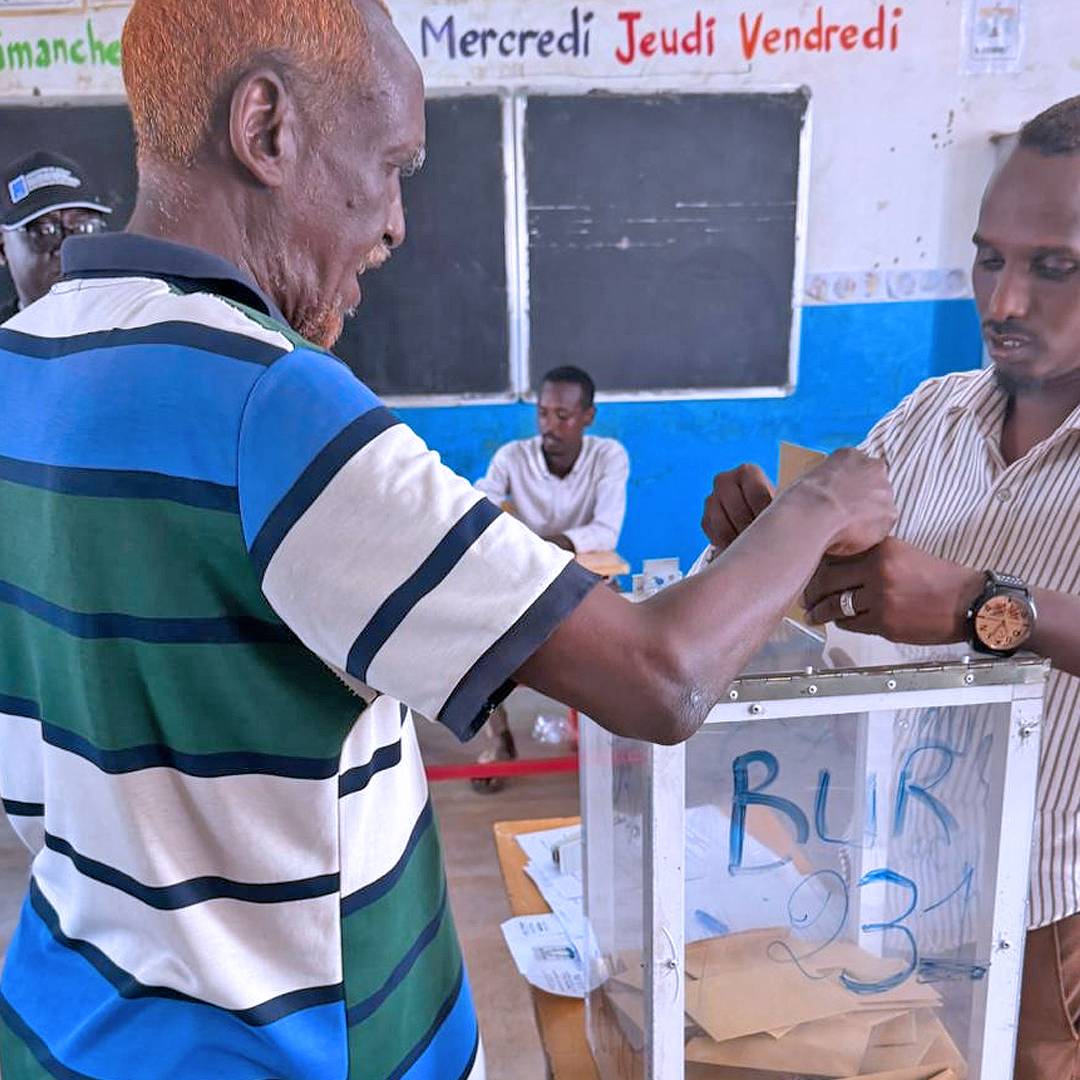
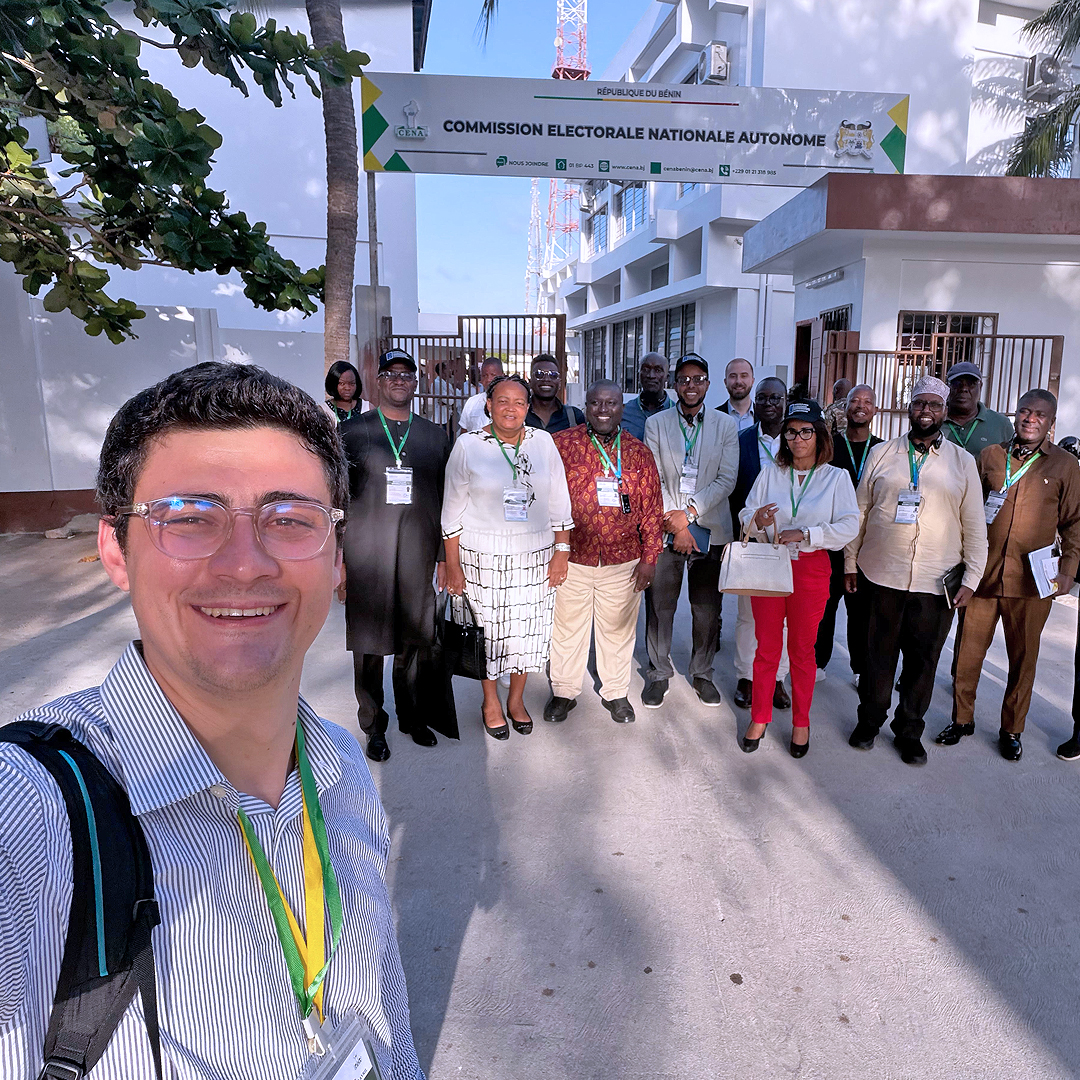
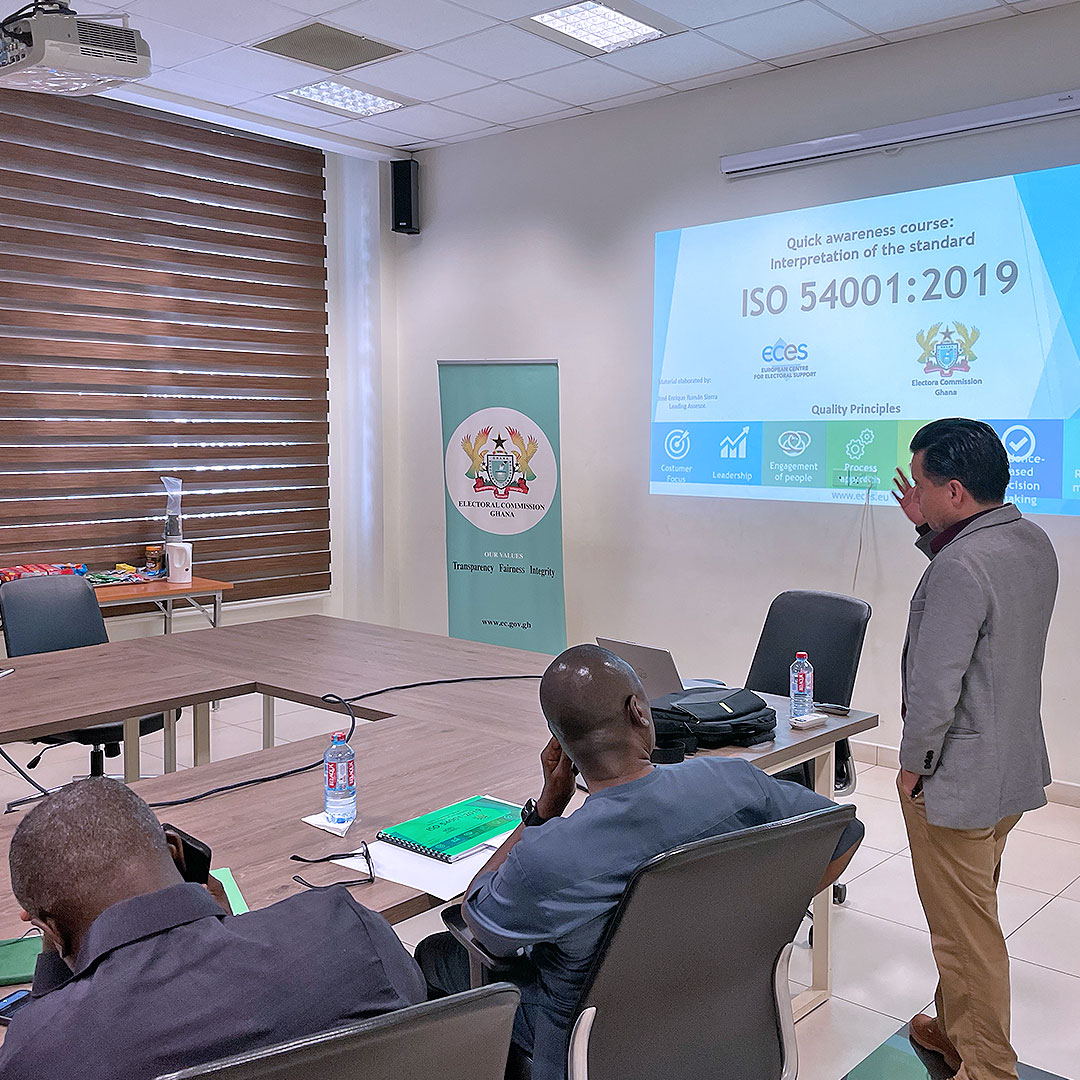
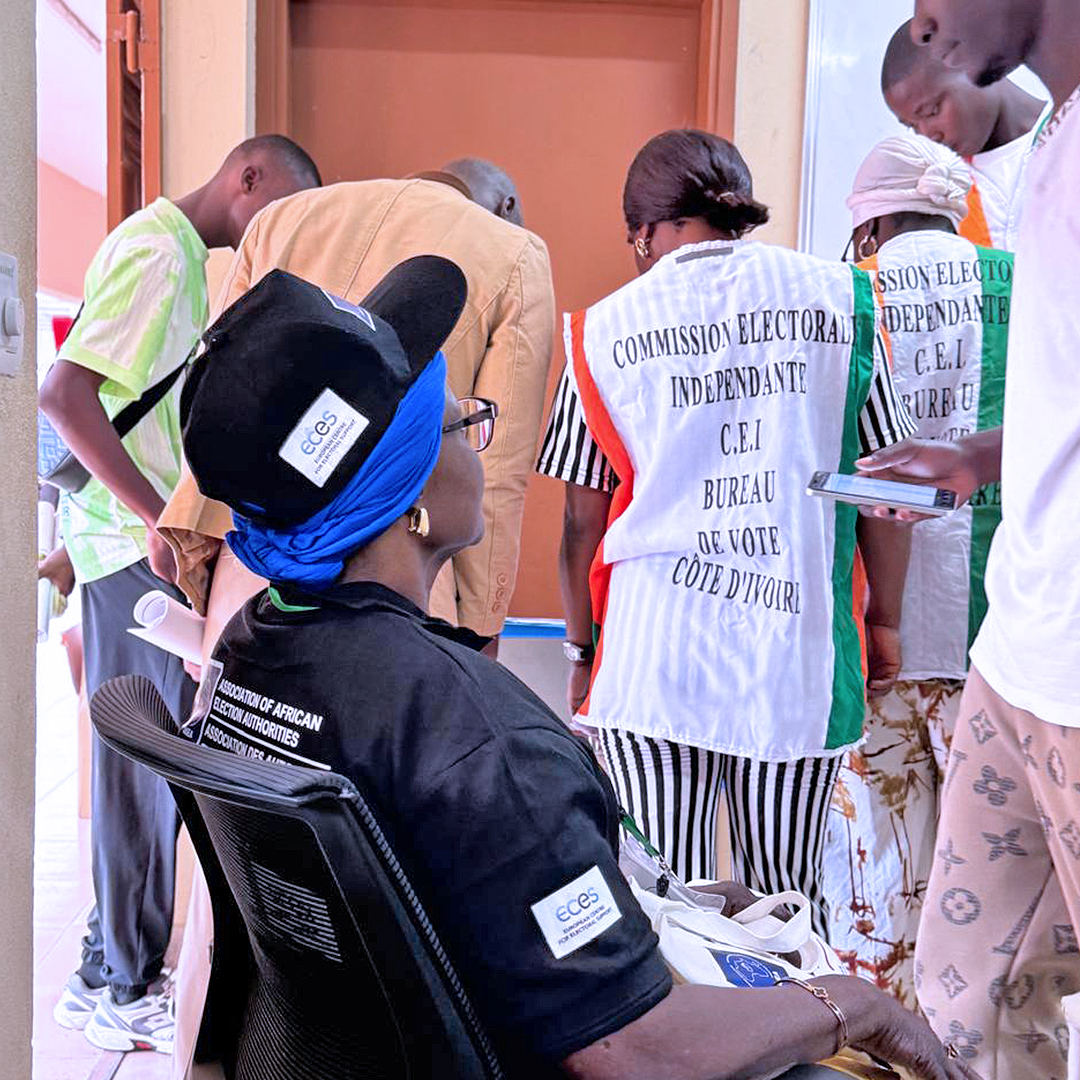
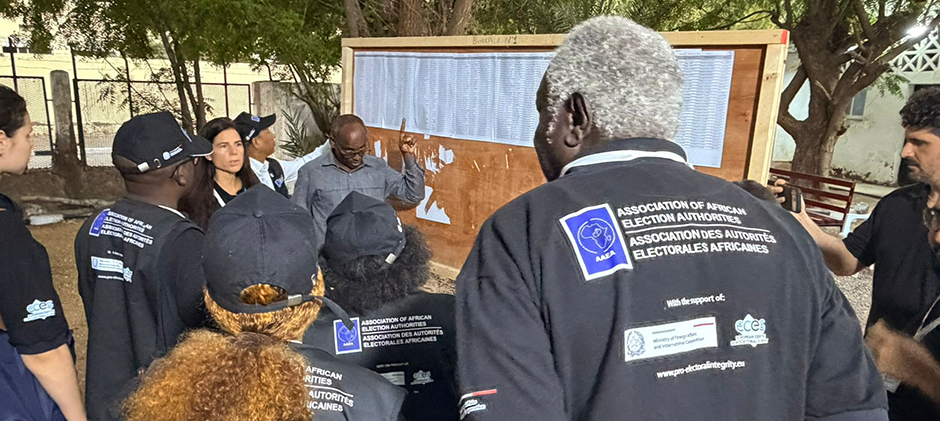
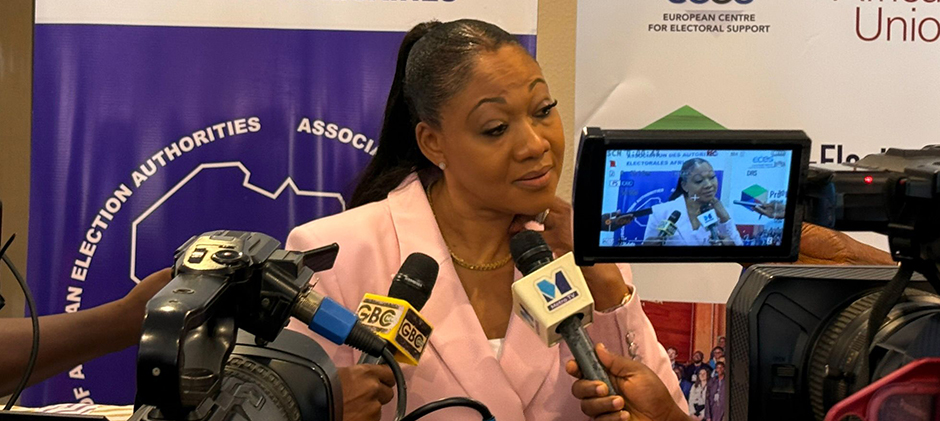
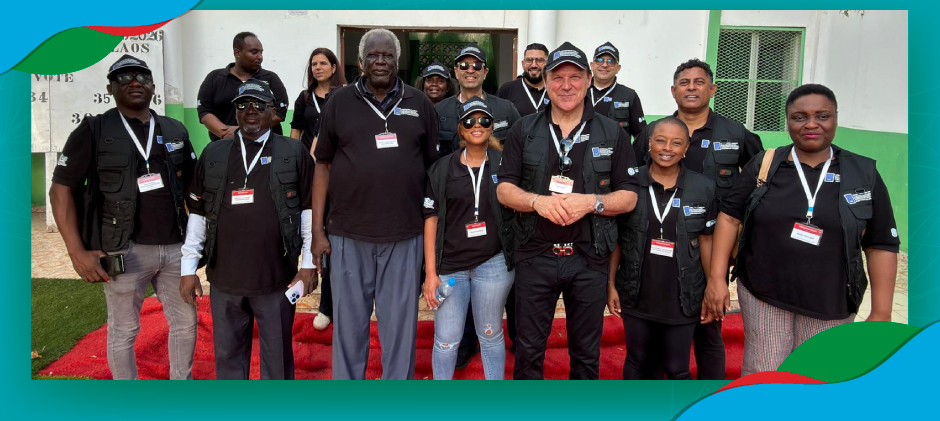
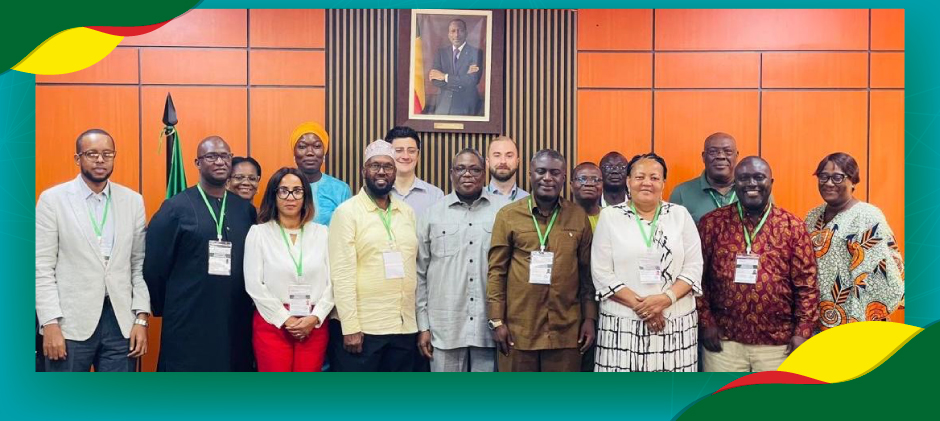
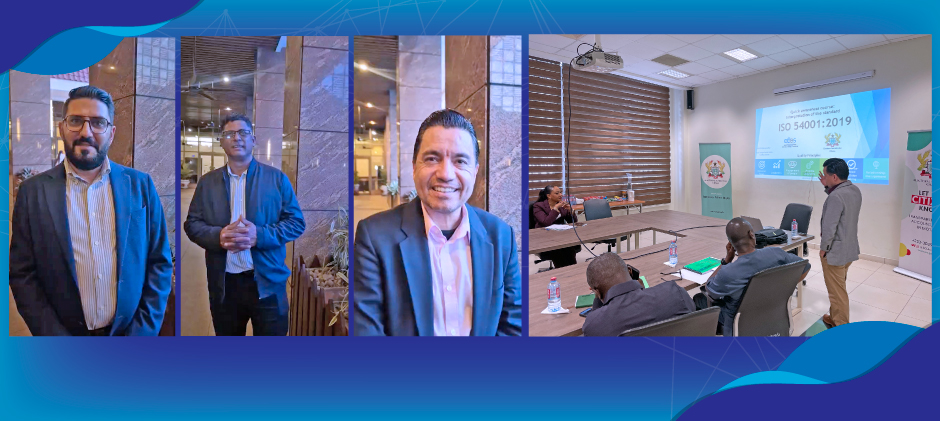
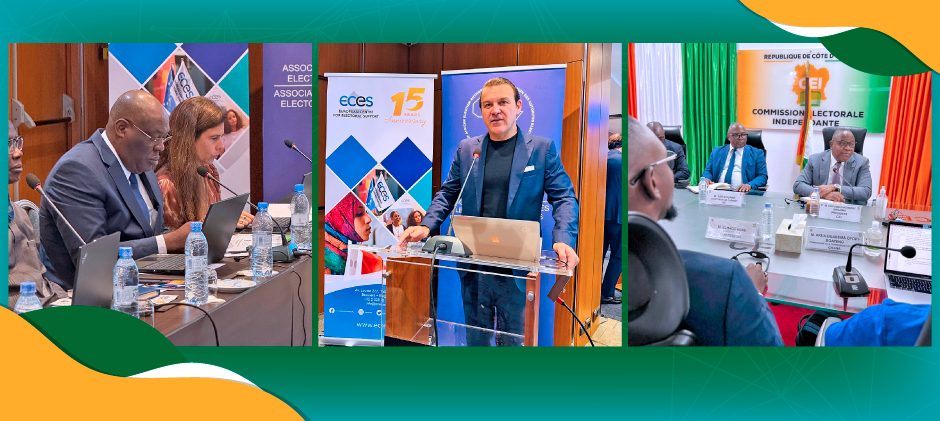
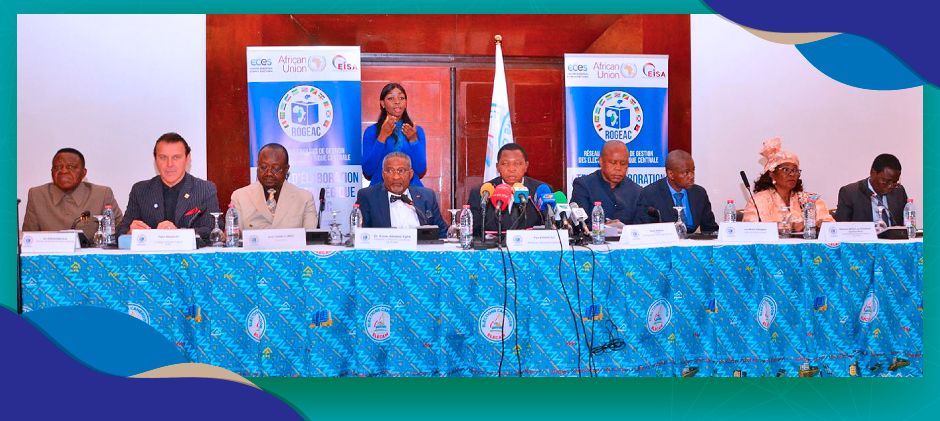
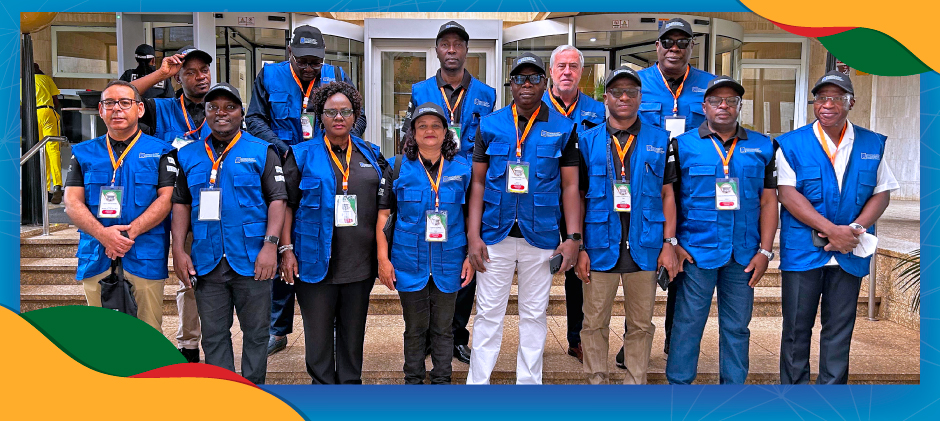
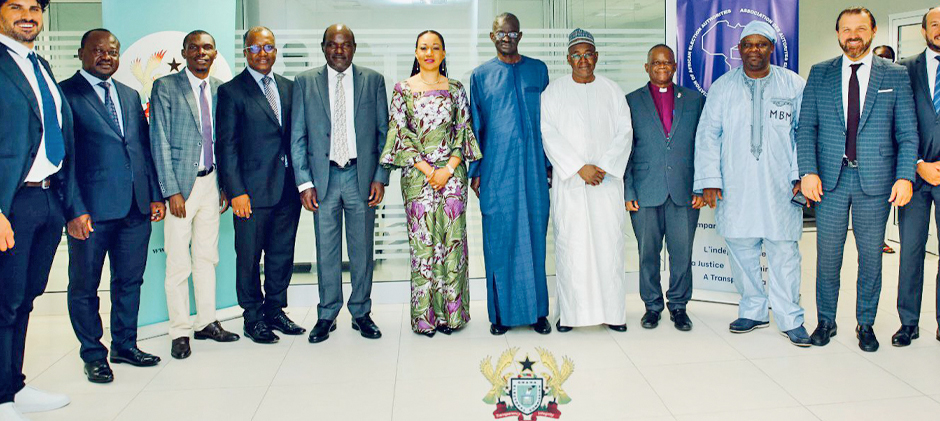
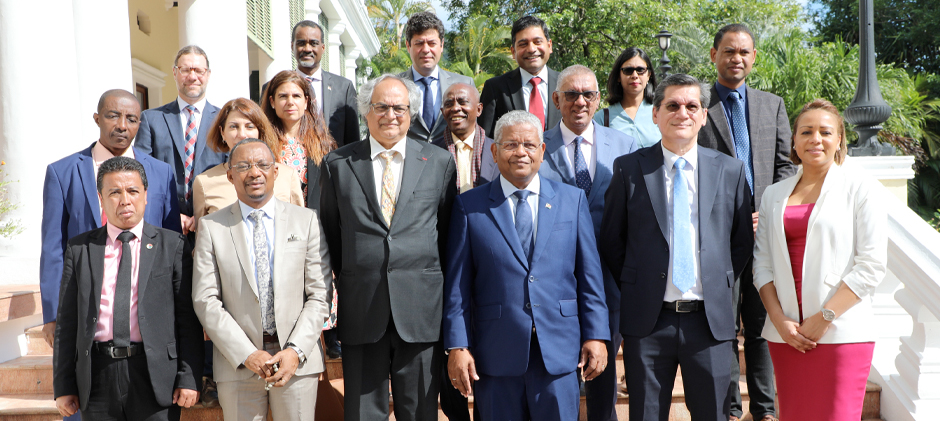
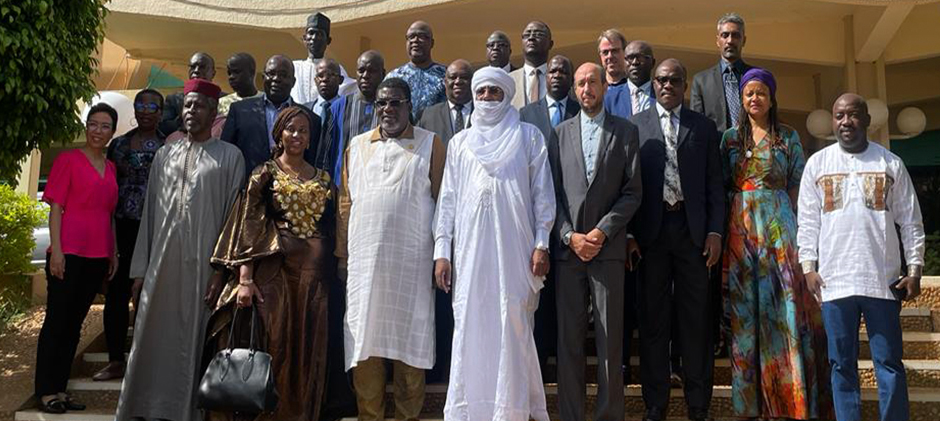
Working in close cooperation with the Association of African Election Authorities (AAEA) and regional networks of EMBs across the continent, AUC-PAPS and ECES have facilitated high-level peer learning missions in Kenya, Liberia, Comoros, Namibia, Ghana, Gabon, Burundi, Malawi, Cameroon, Côte d’Ivoire, Djibouti, Benin and Italy. These missions contribute to strengthening coordination, promoting knowledge exchange, and supporting practical responses to shared electoral challenges.
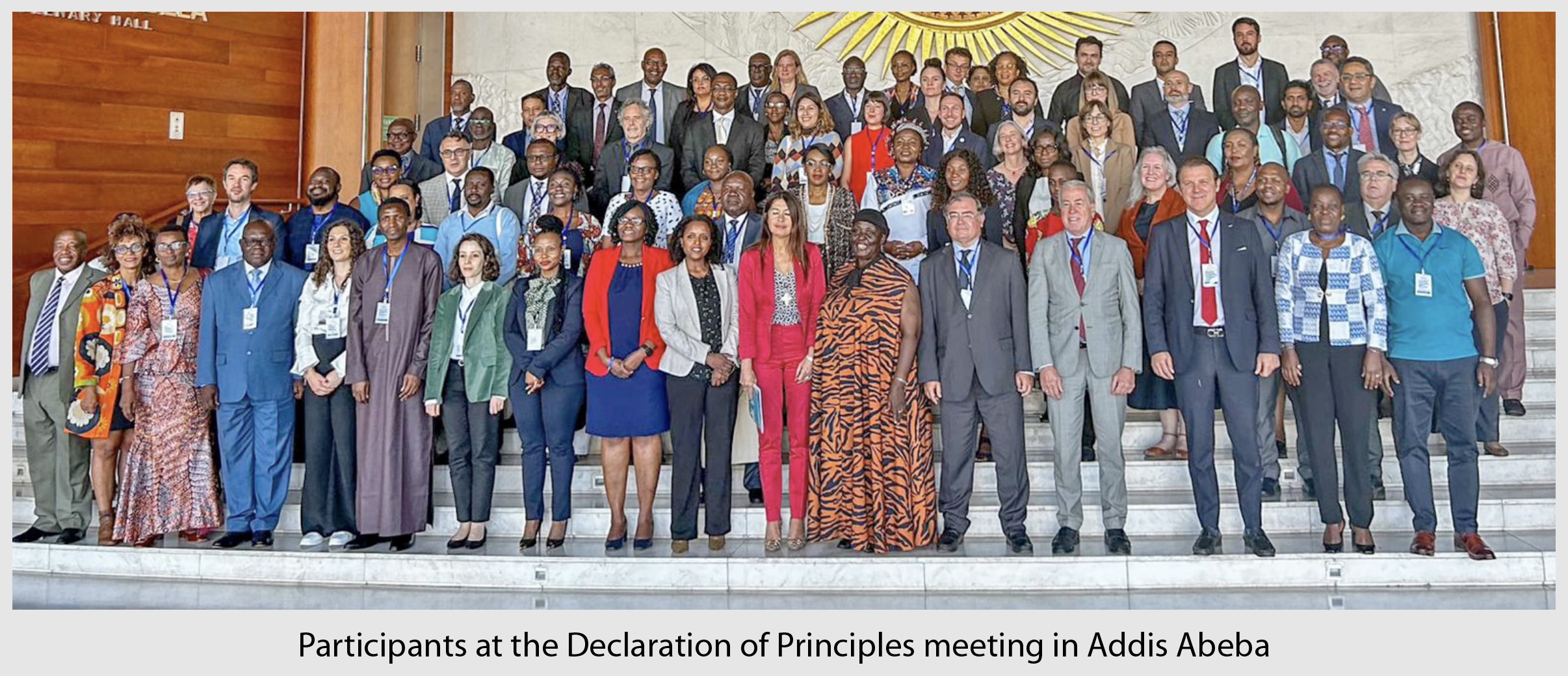
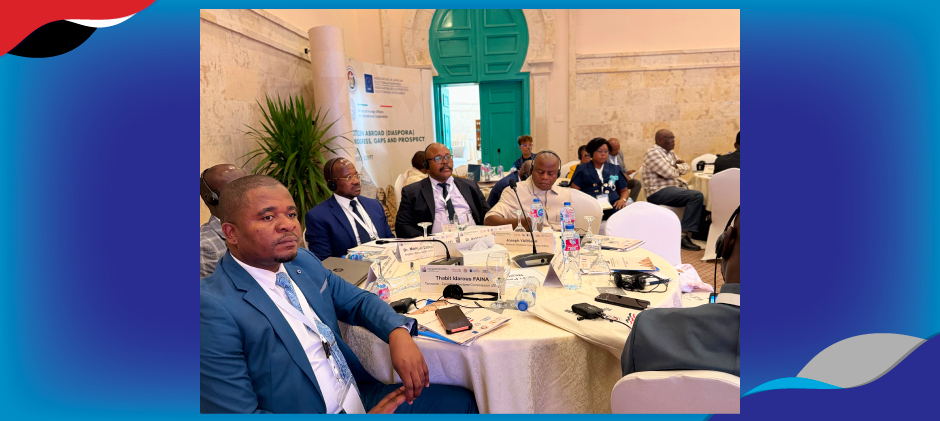
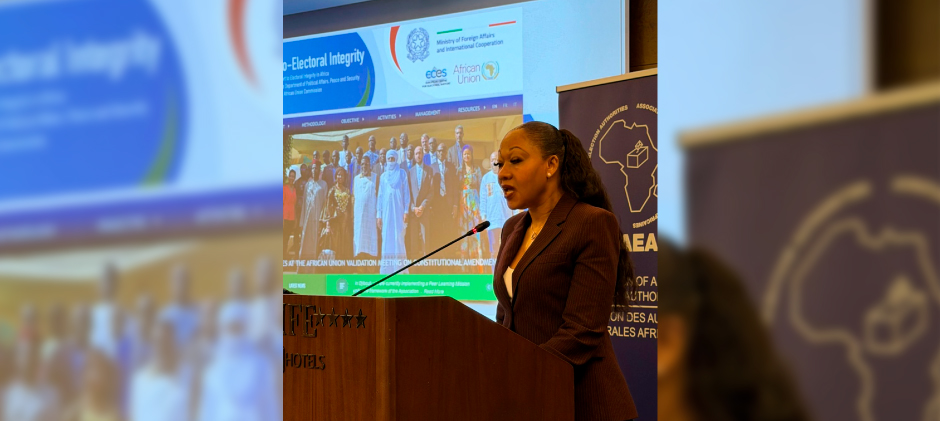
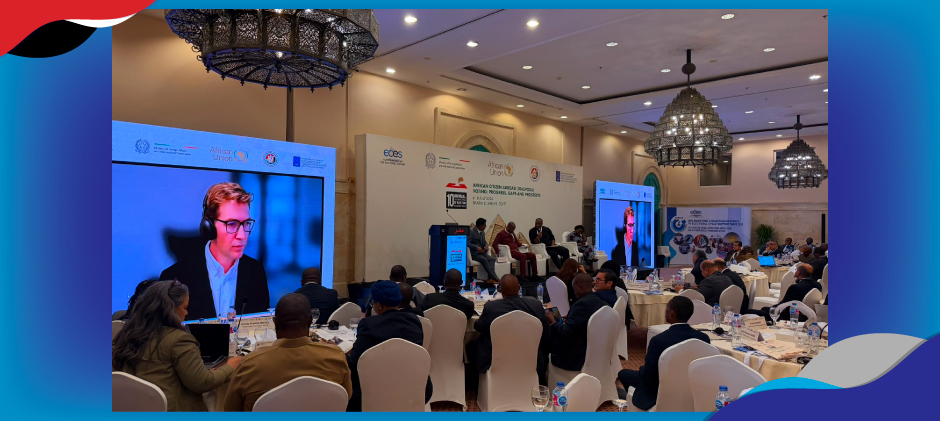
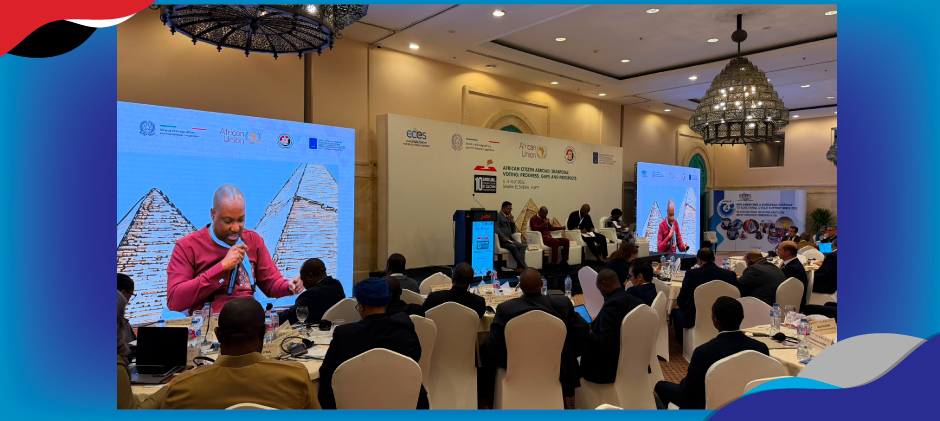
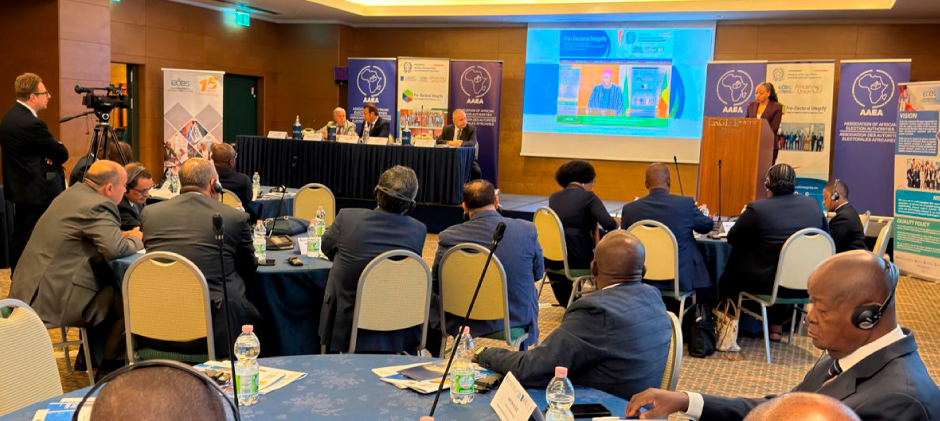
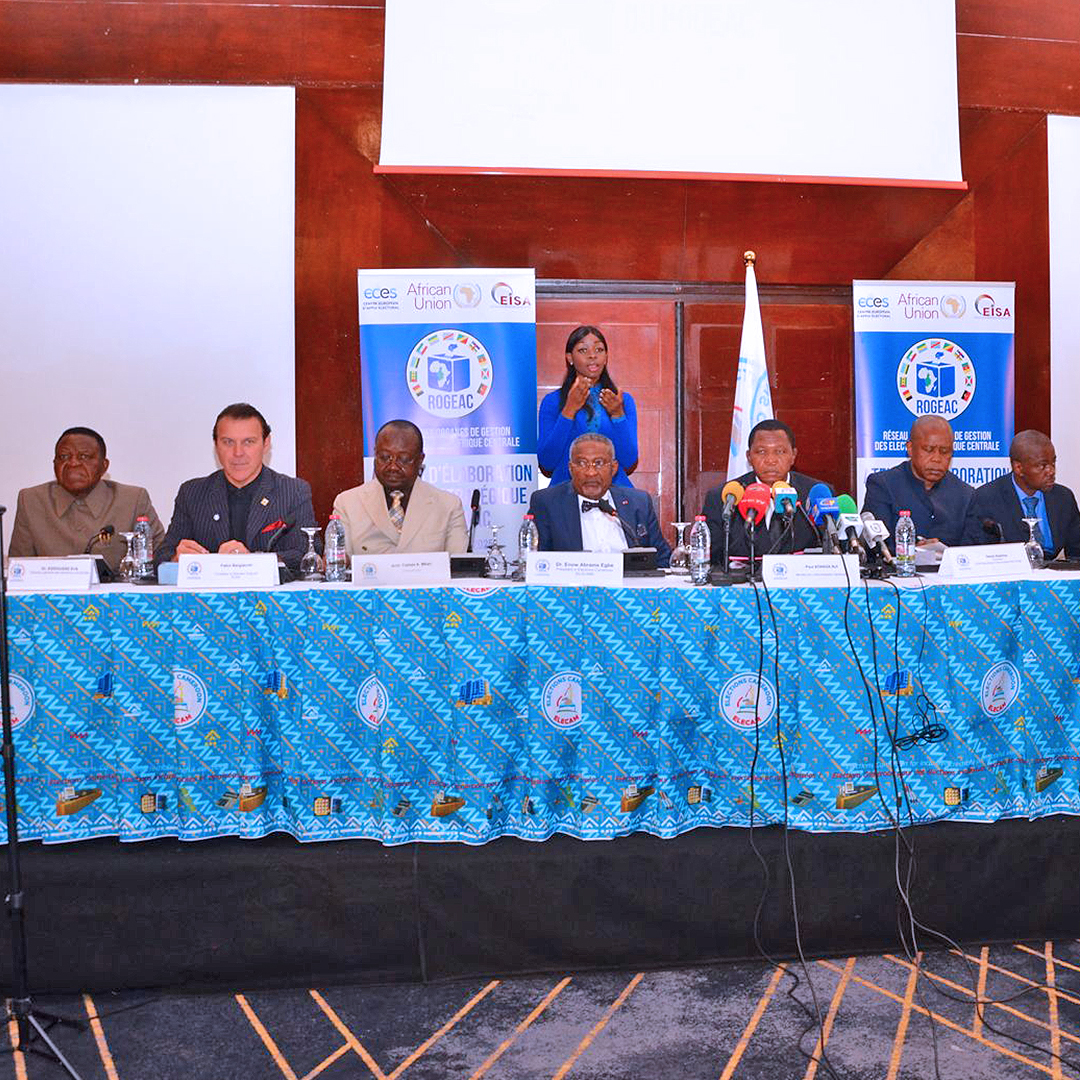
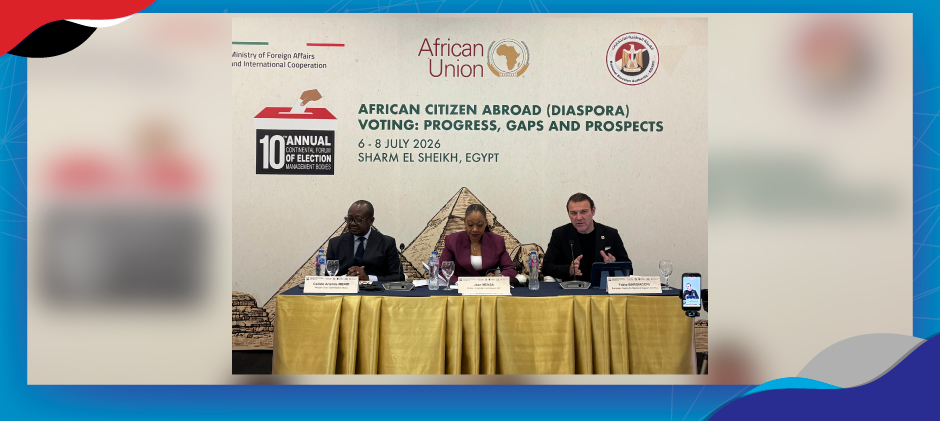
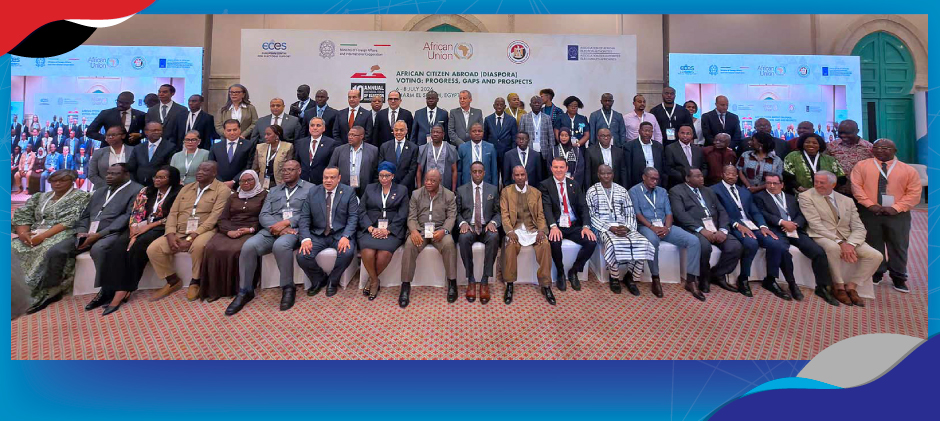
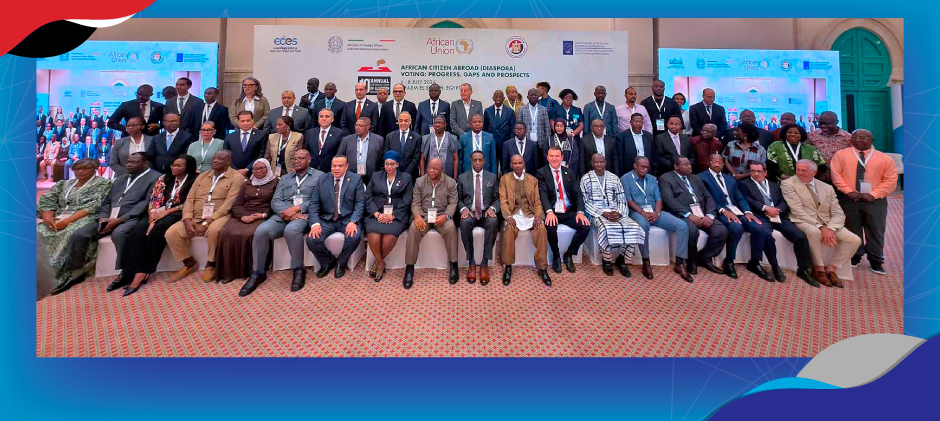
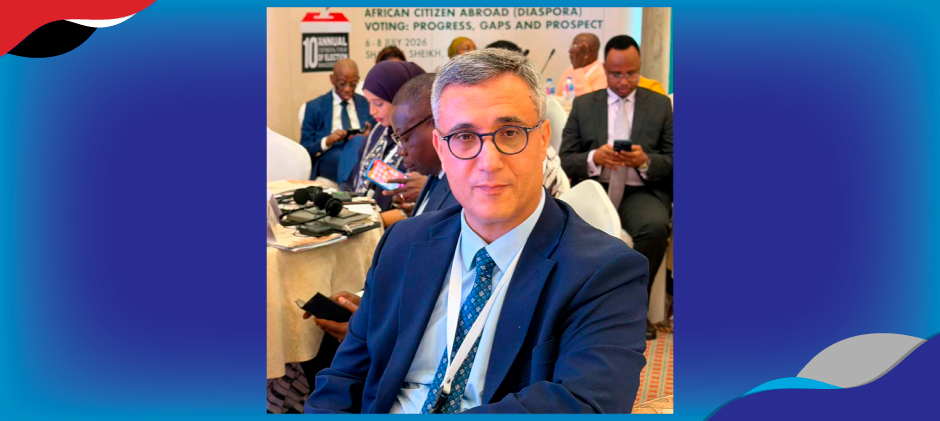
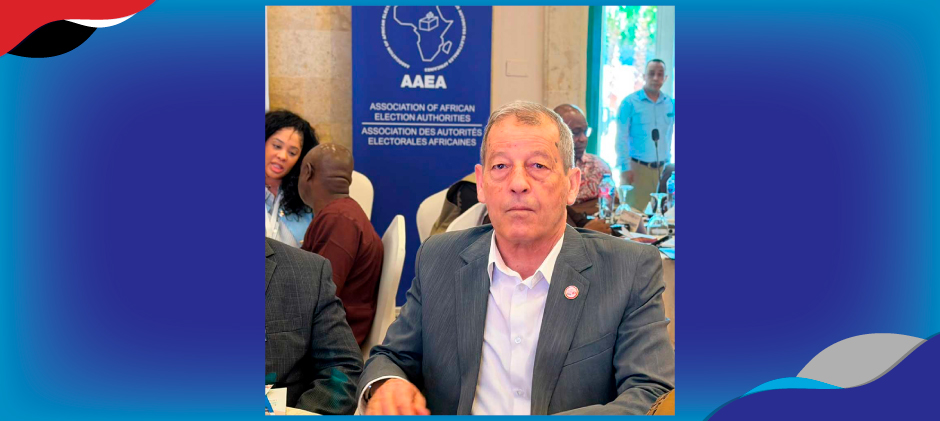
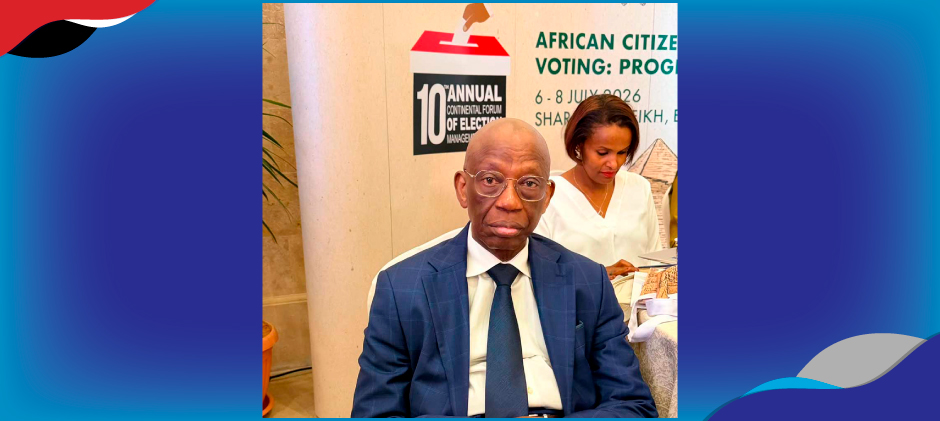
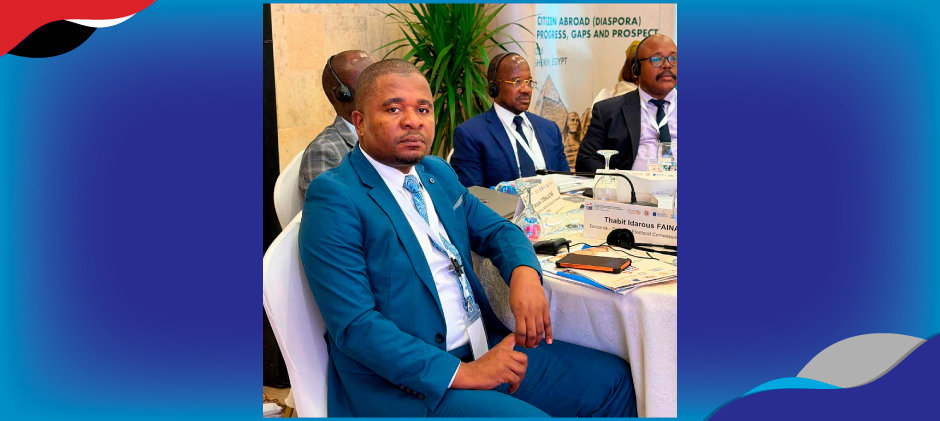
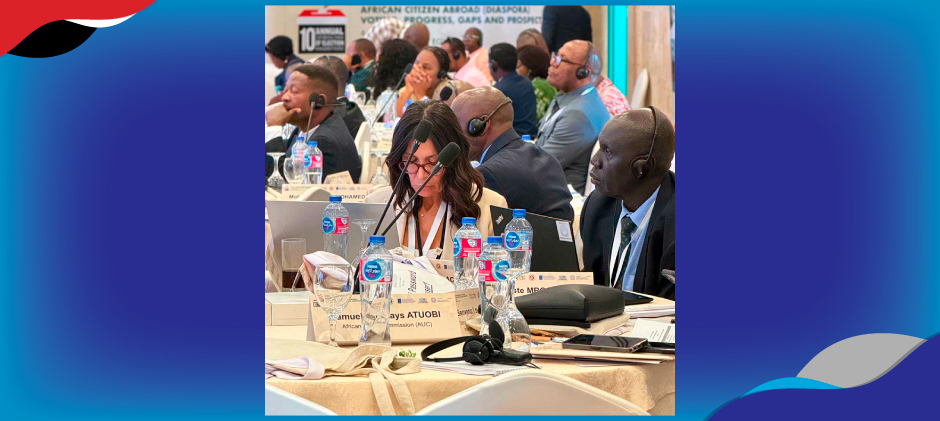
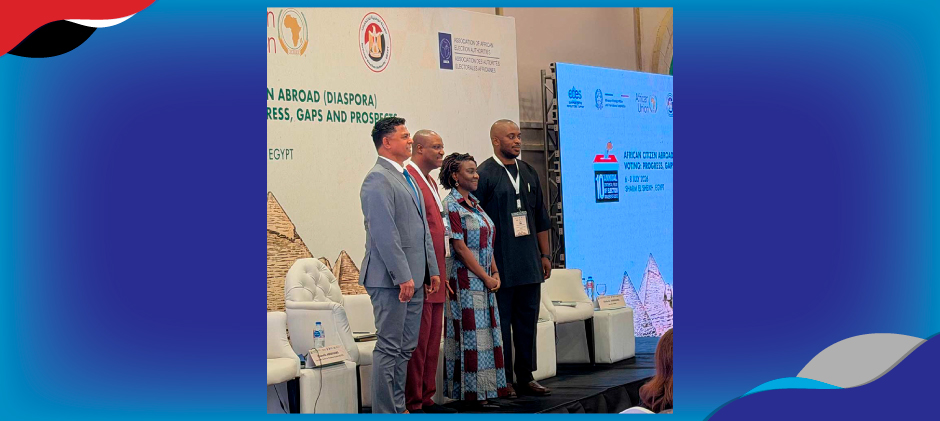
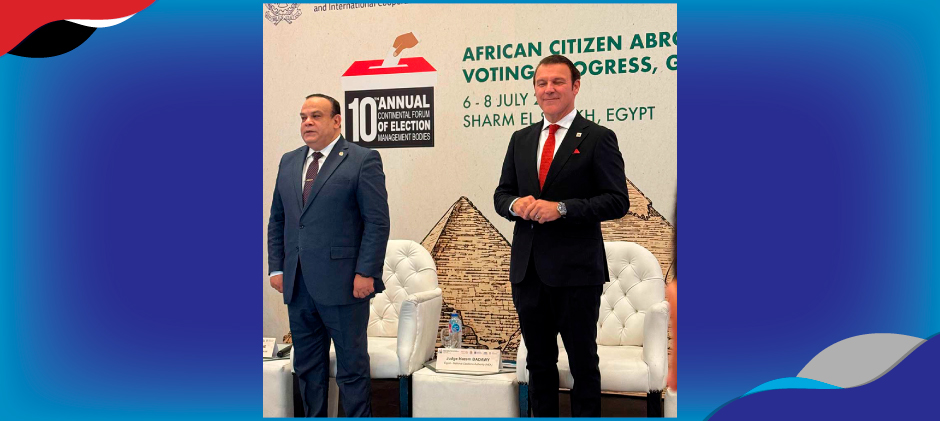
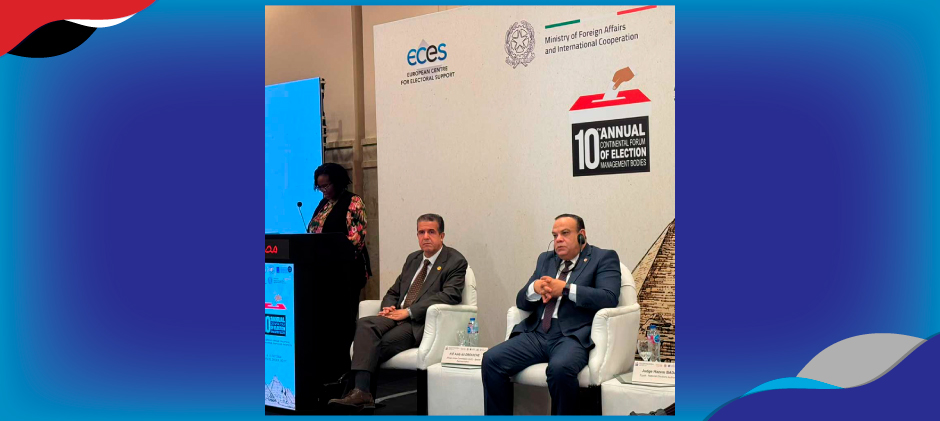
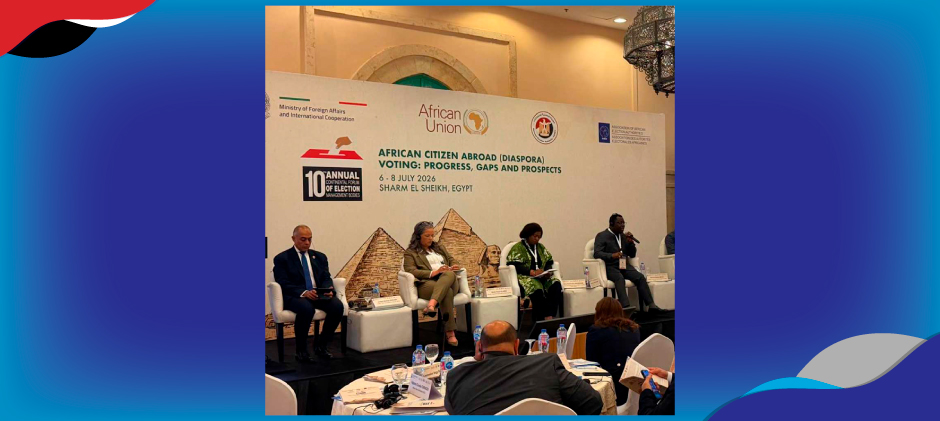
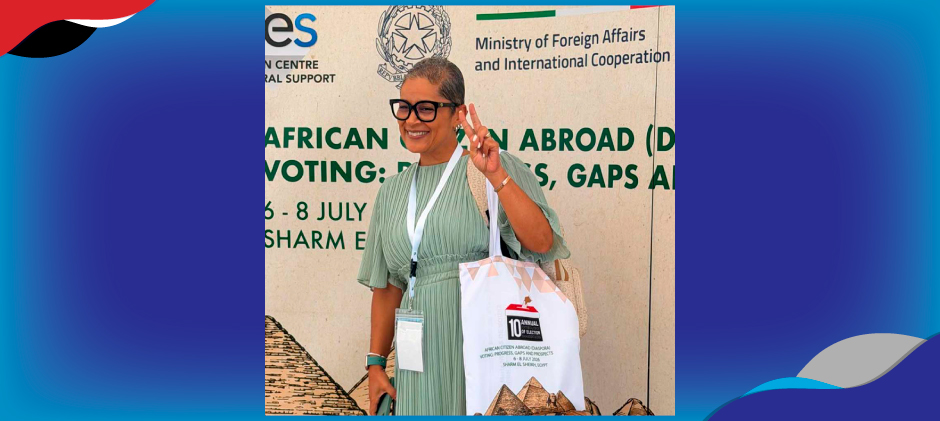
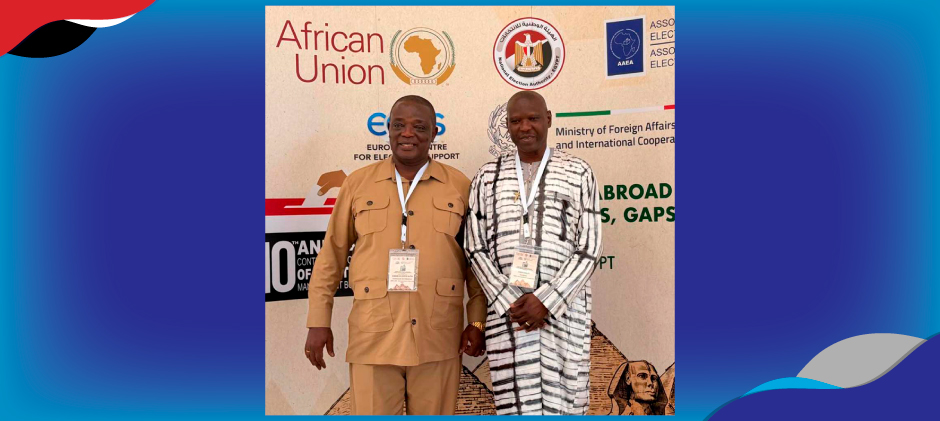
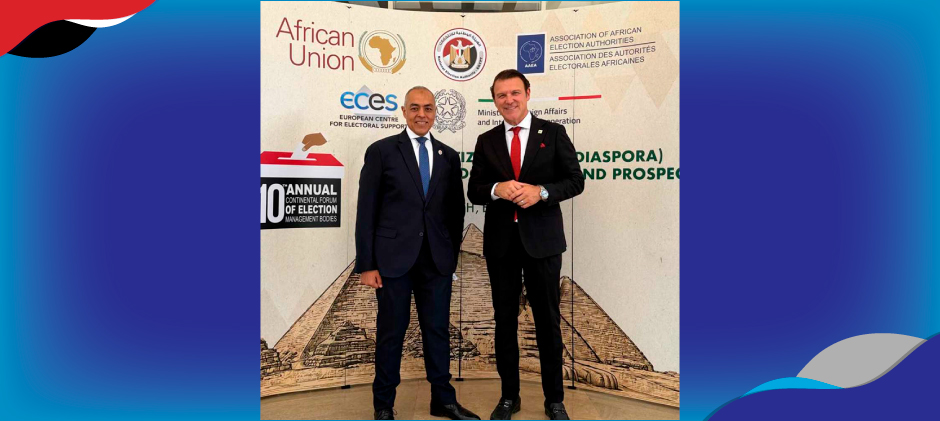
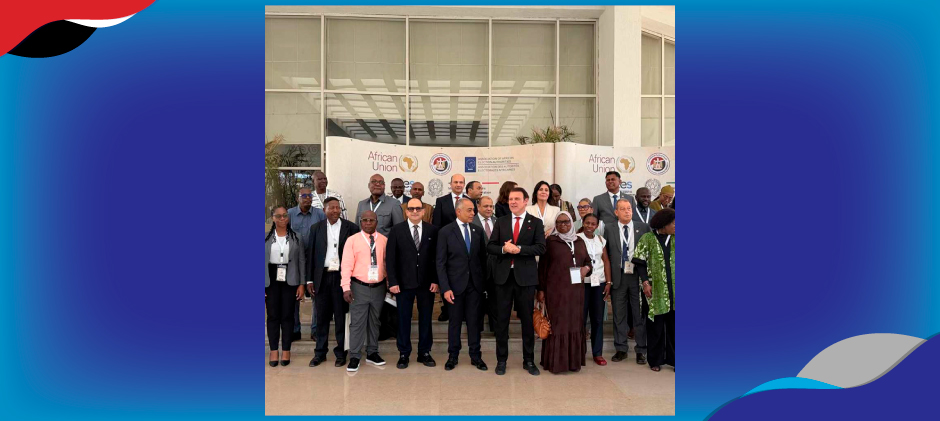
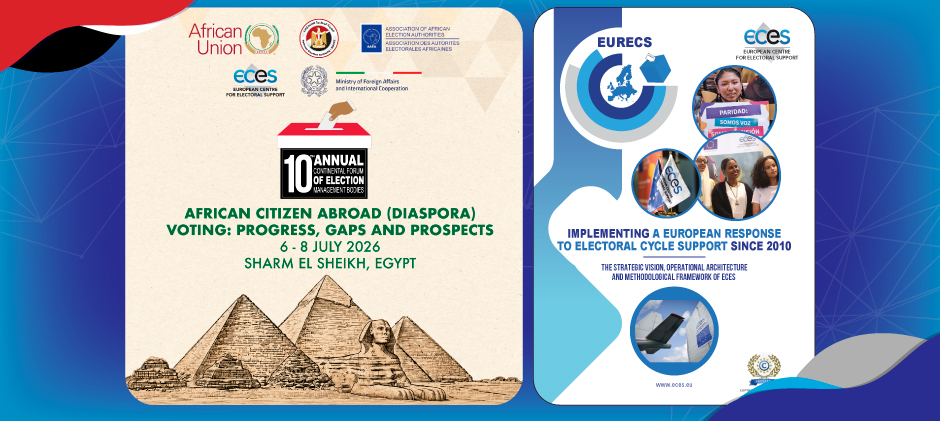
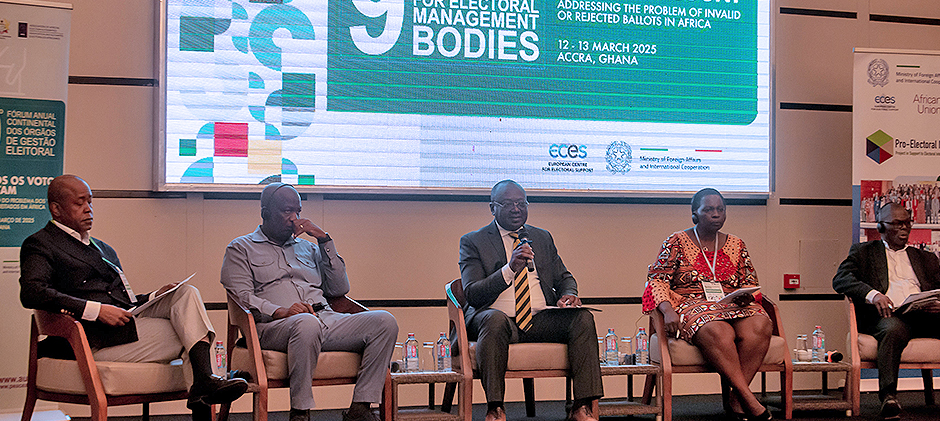
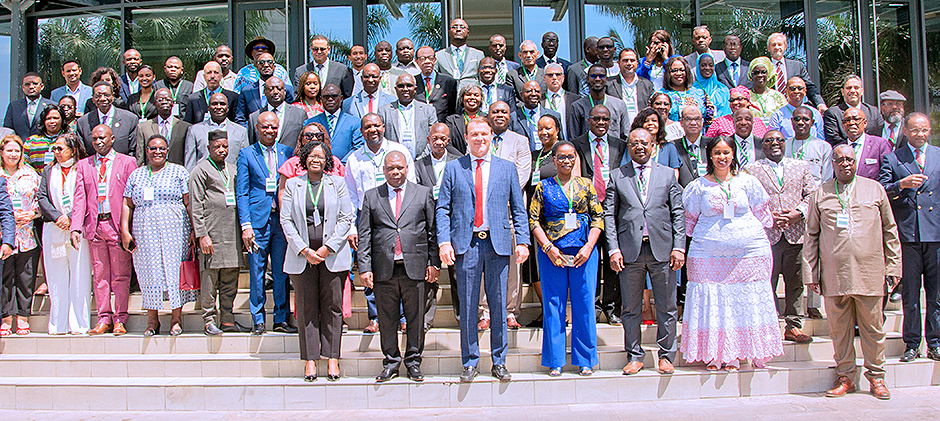
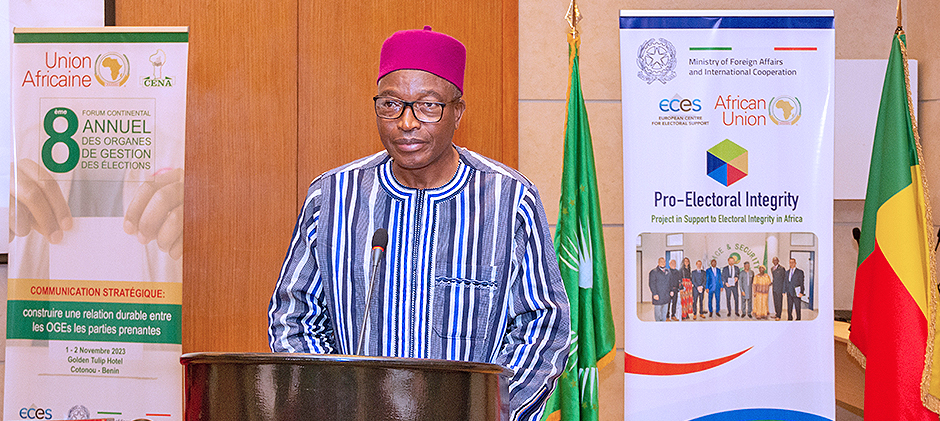
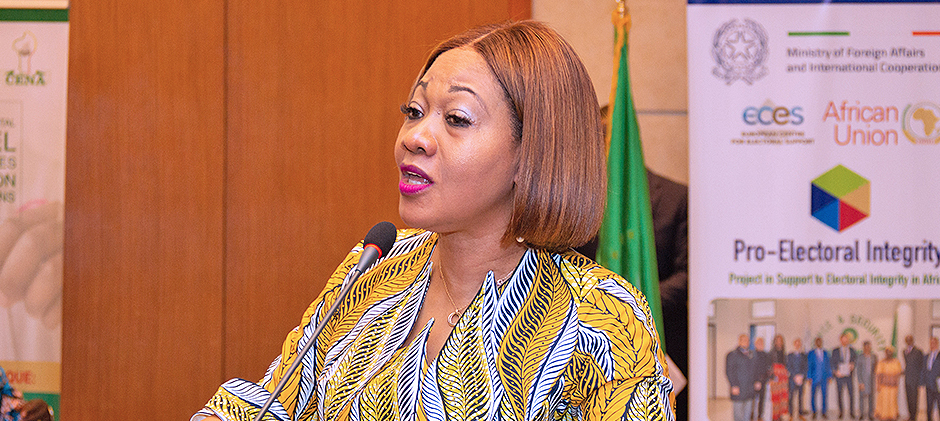
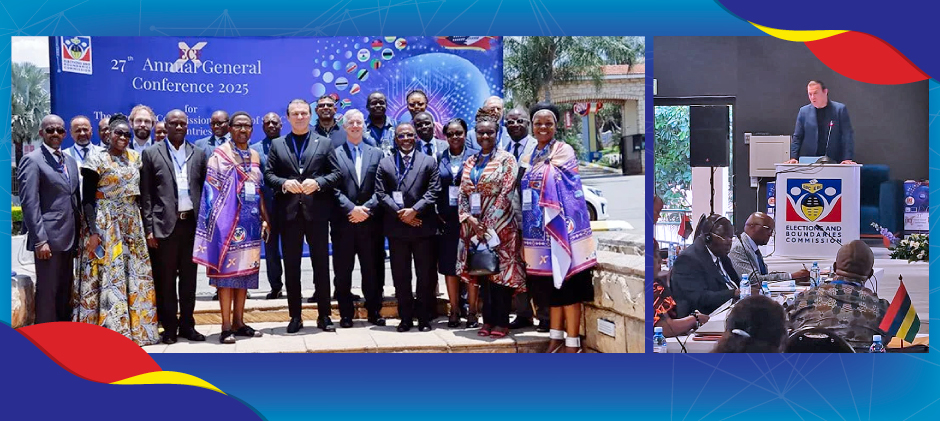
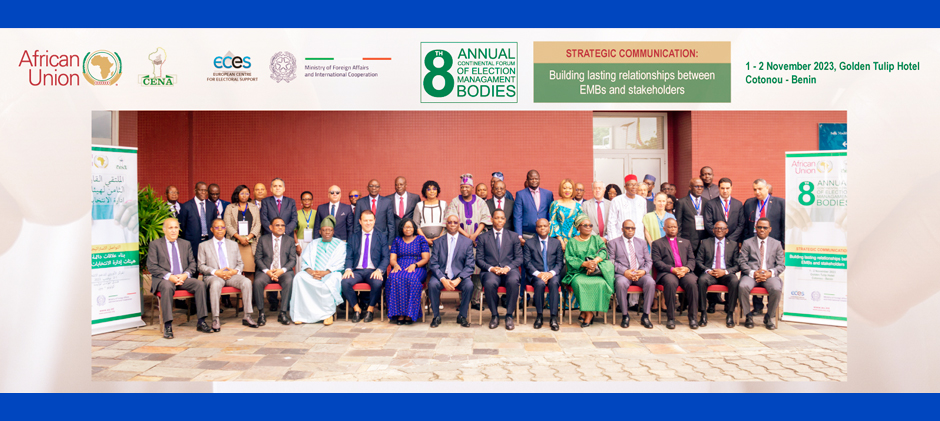
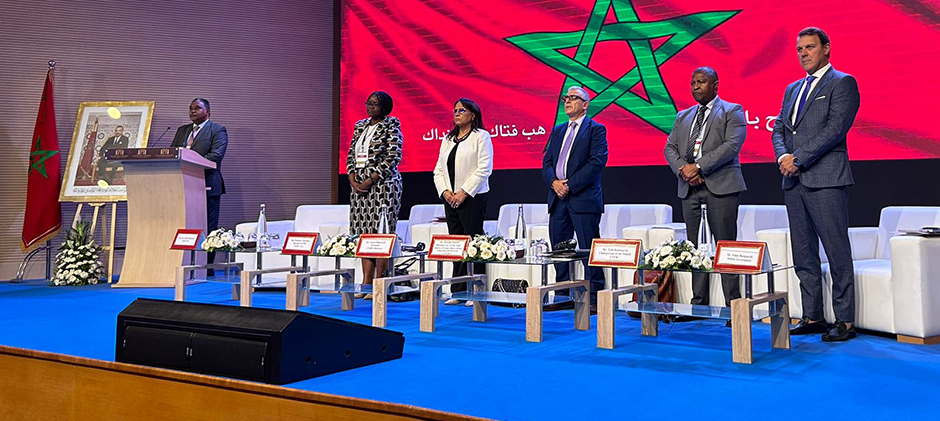
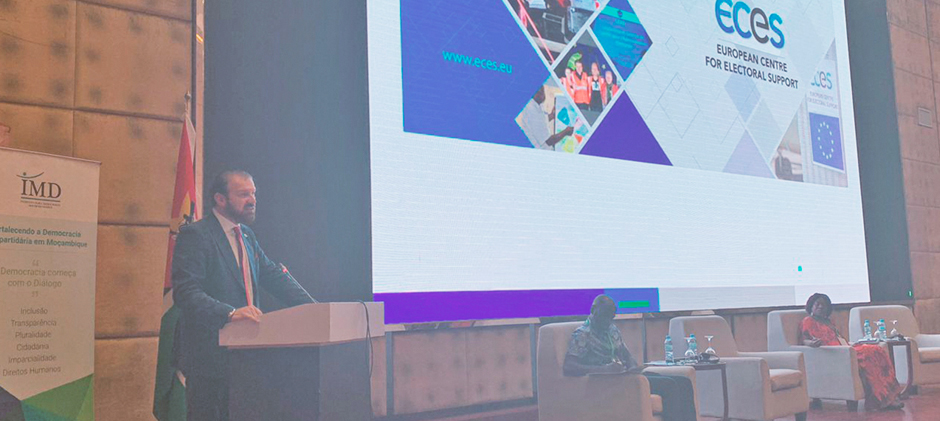
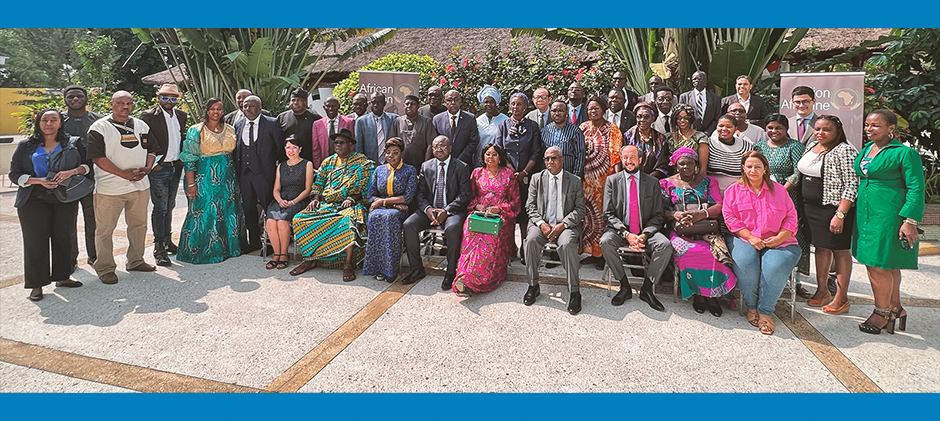
The project has also supported the organisation of Continental Forums of Electoral Management Bodies, which have become important platforms for strategic dialogue, peer learning, and policy reflection among African electoral stakeholders. The seventh, eighth and ninth Annual Continental Forums, held respectively in Mozambique, Benin and Ghana, brought together representatives from 50 EMBs from across the continent to exchange experiences and discuss responses to common electoral challenges.
Overall, EMBs from 50 of the 55 African Union Member States have participated in activities supported through the Pro-Electoral Integrity project, reflecting its broad continental reach and contribution to strengthening African-led electoral governance frameworks.
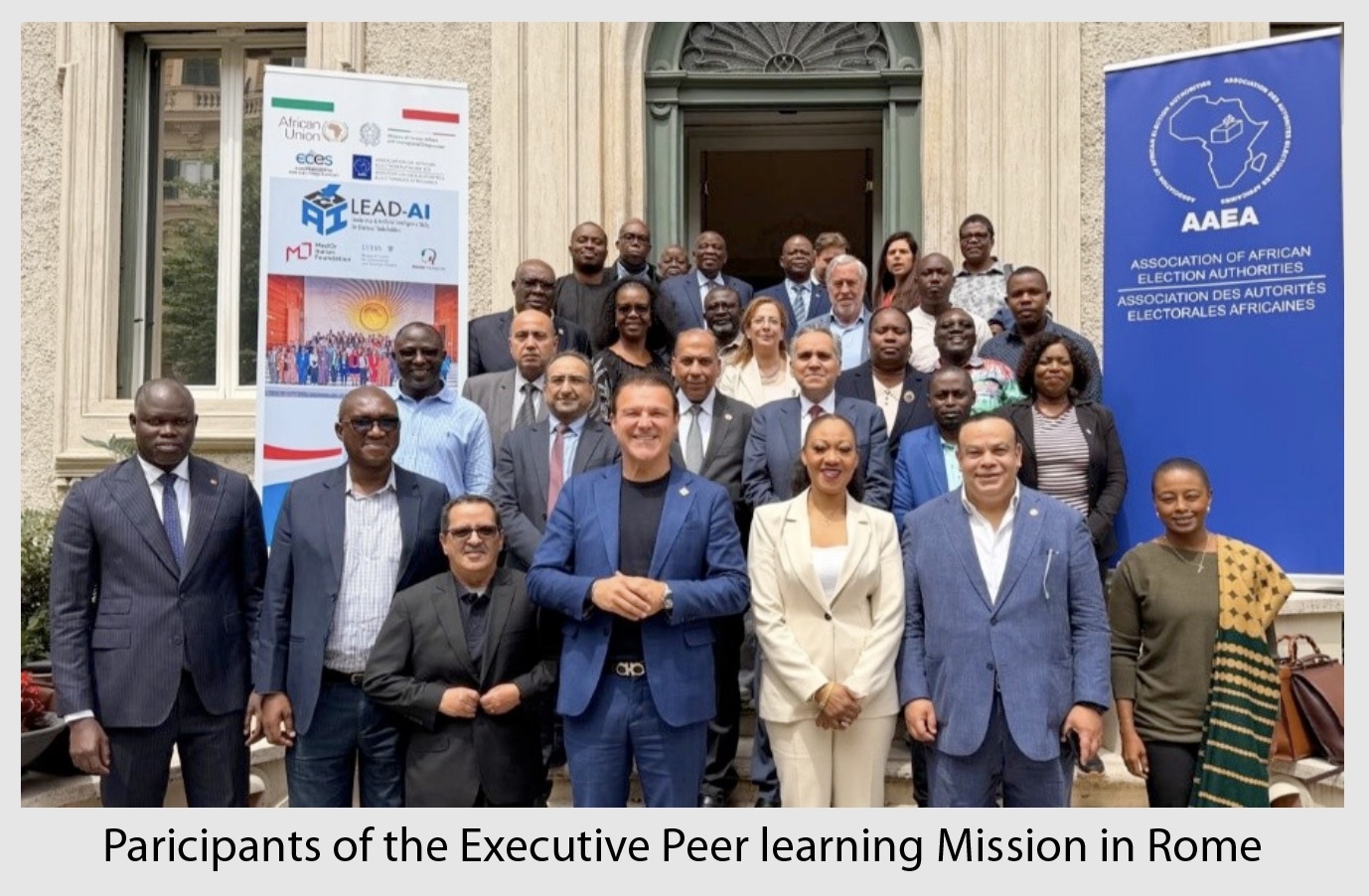
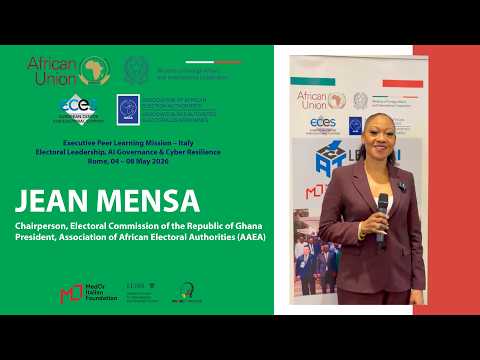
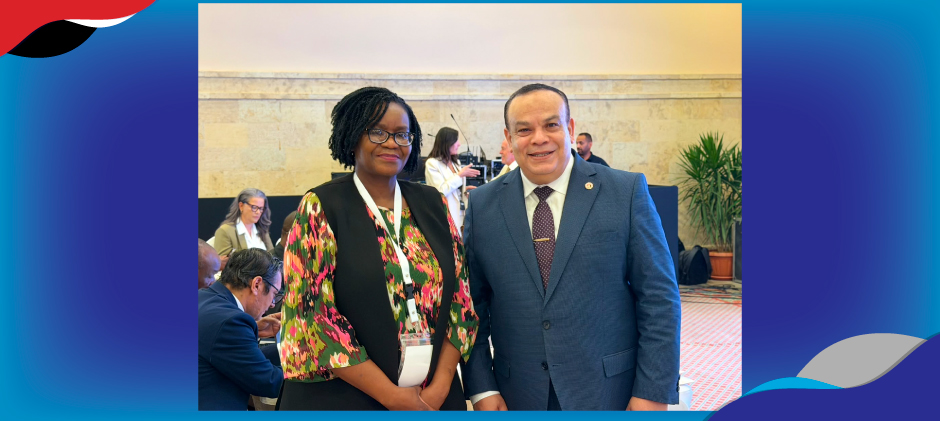
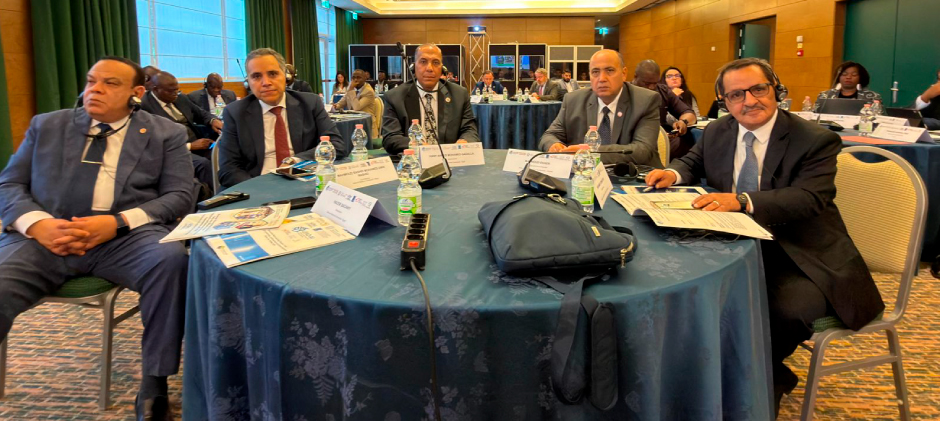
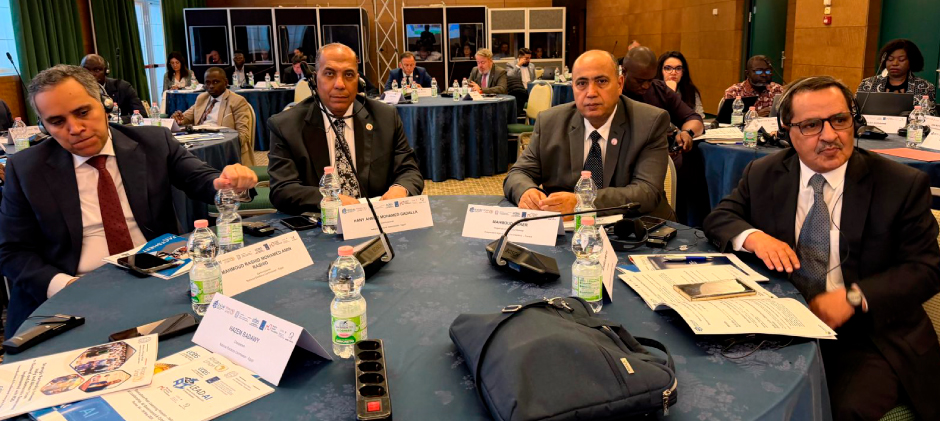
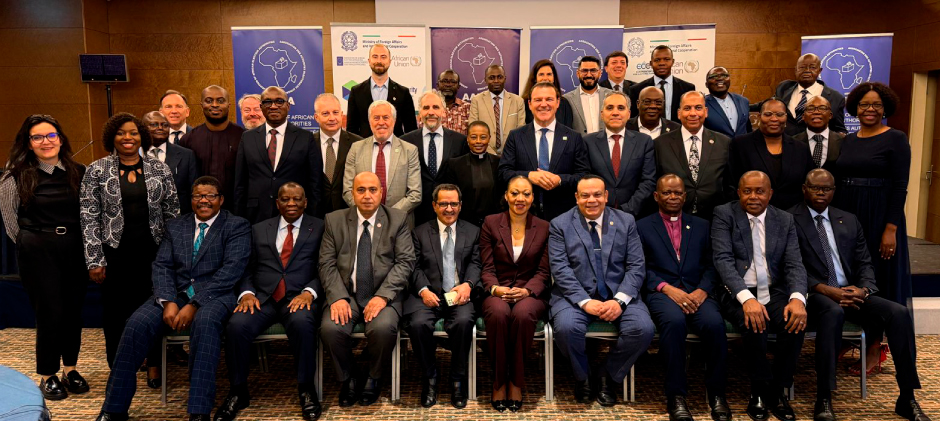
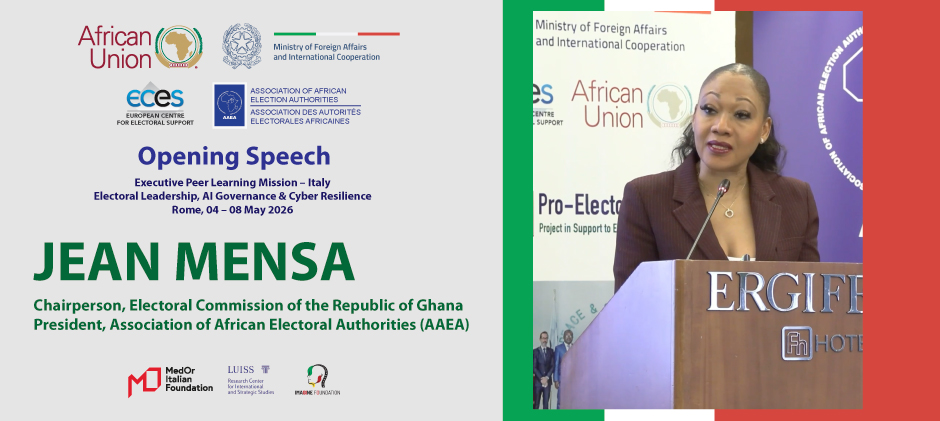
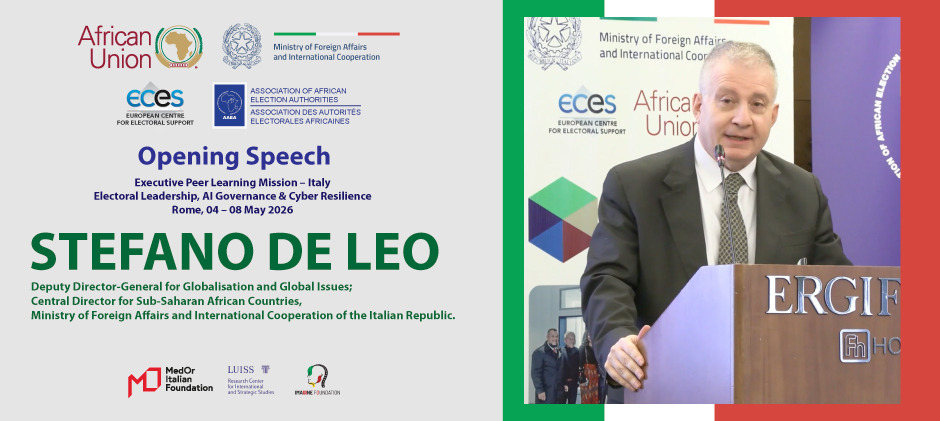
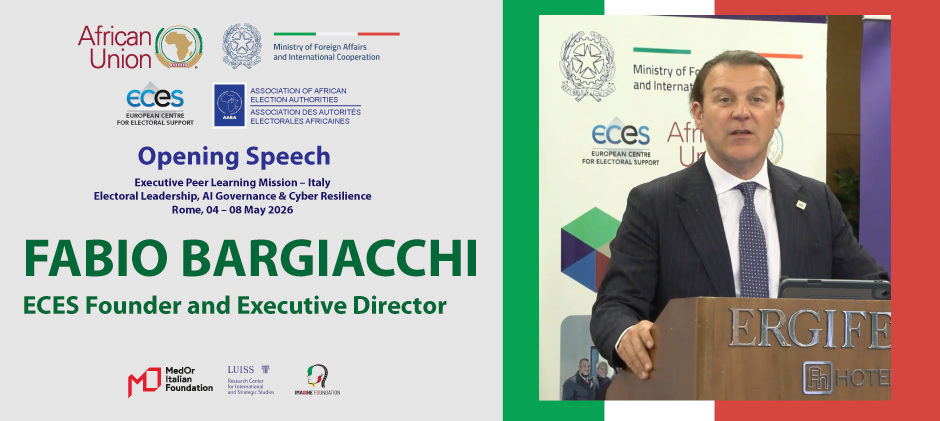
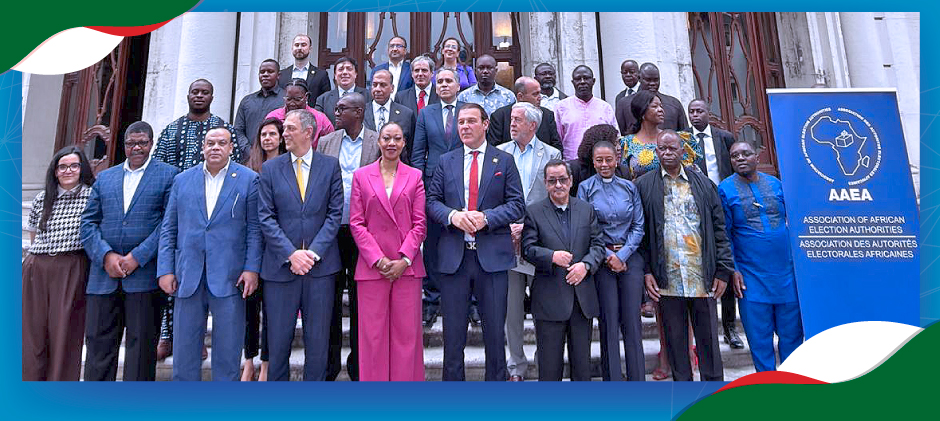
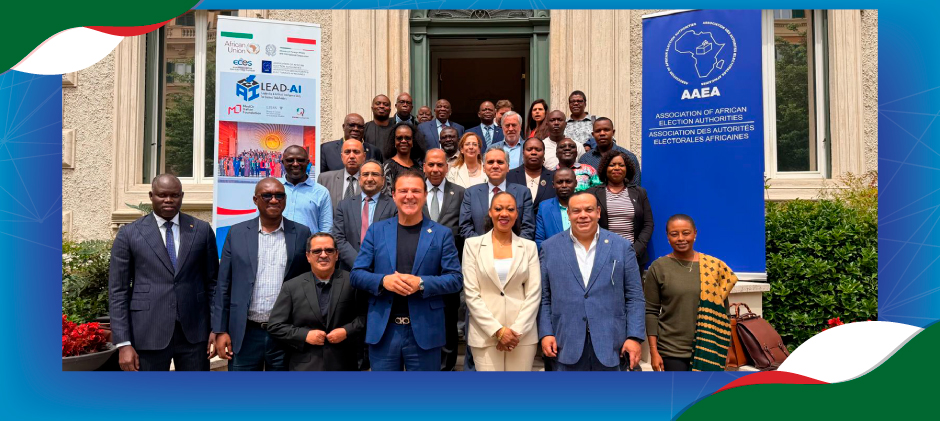
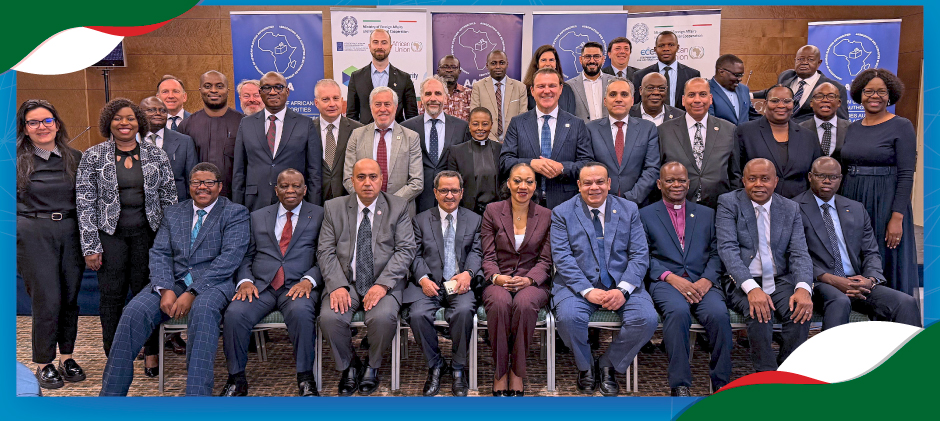
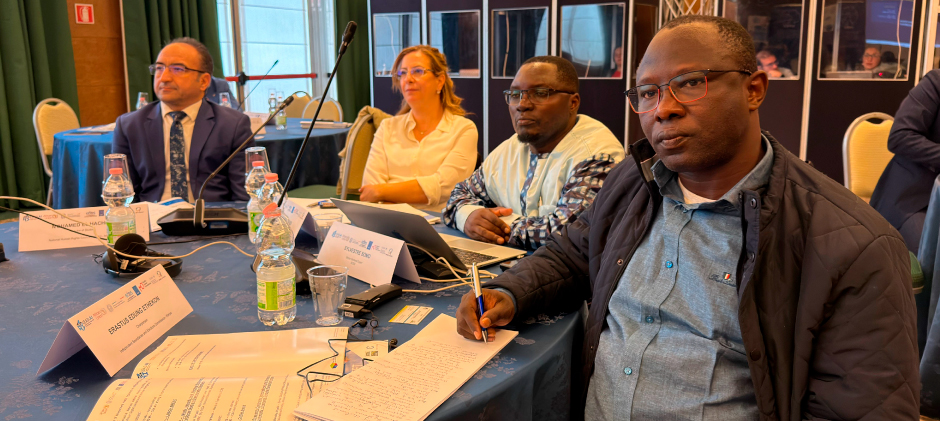
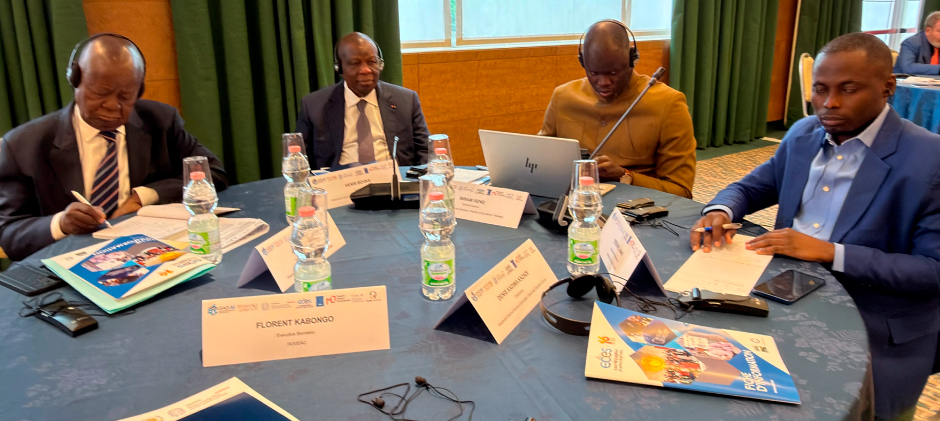
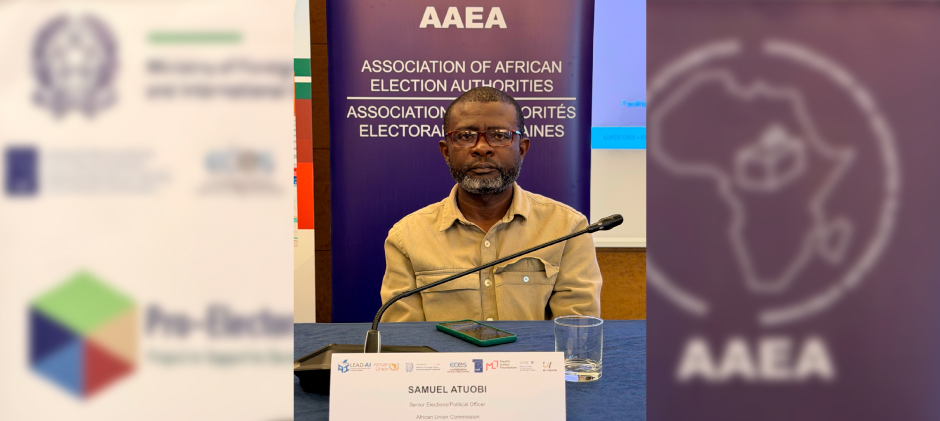
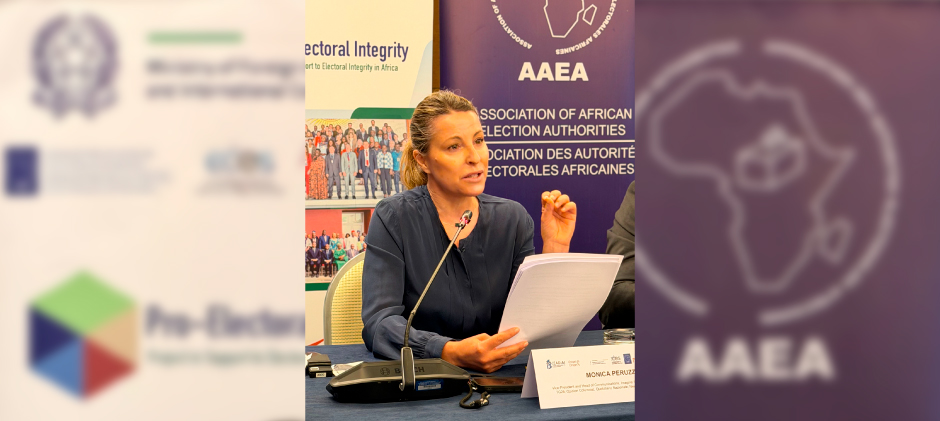
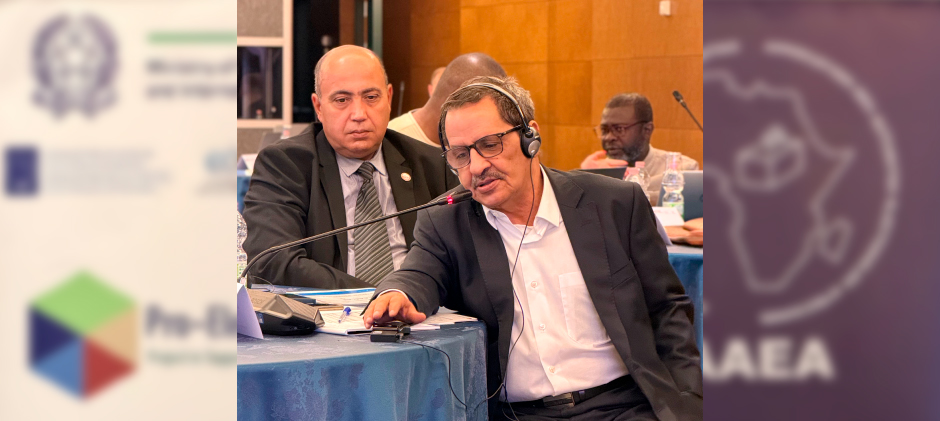
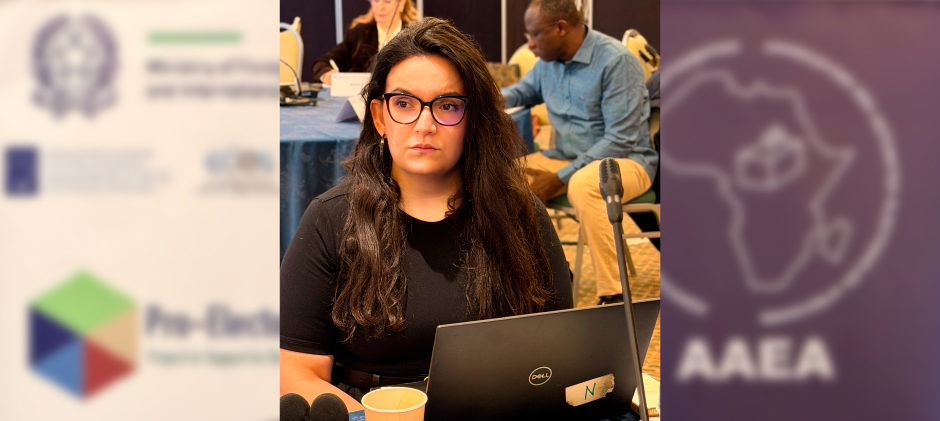
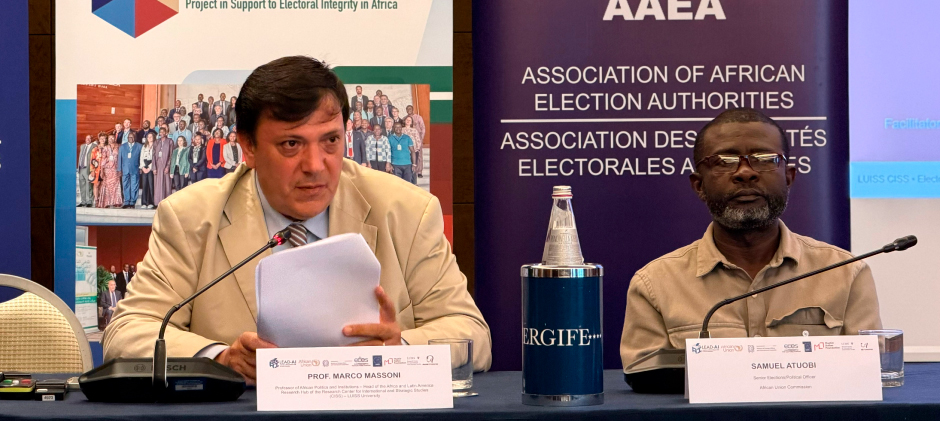
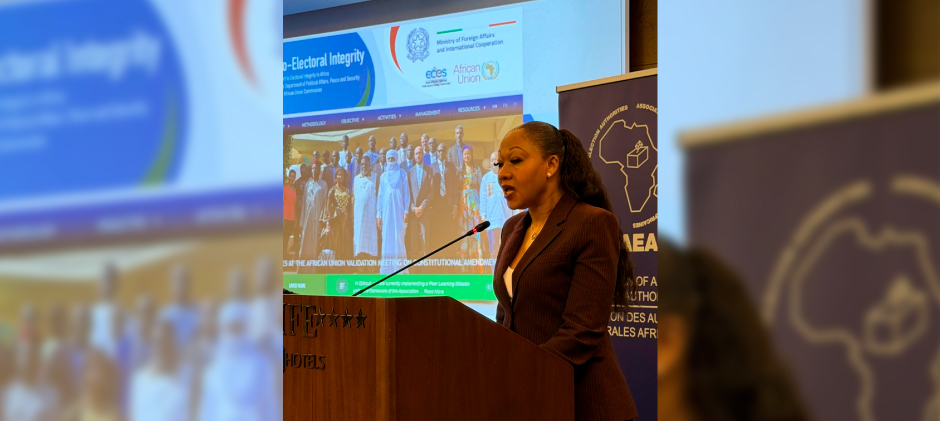
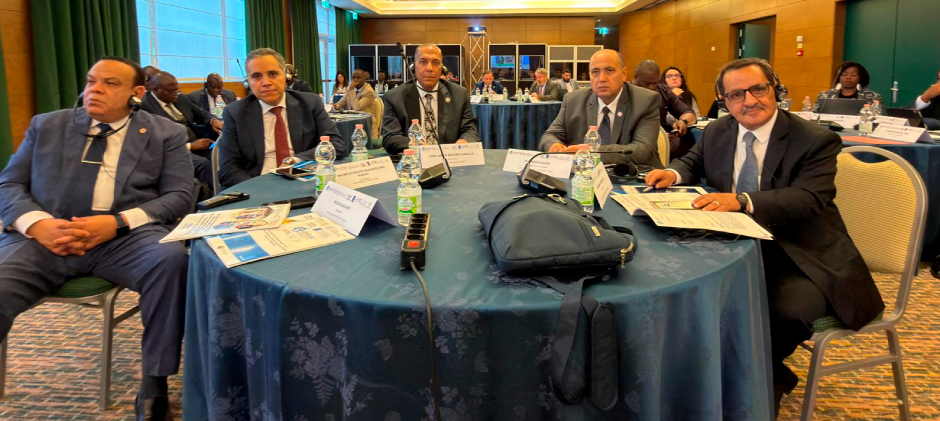
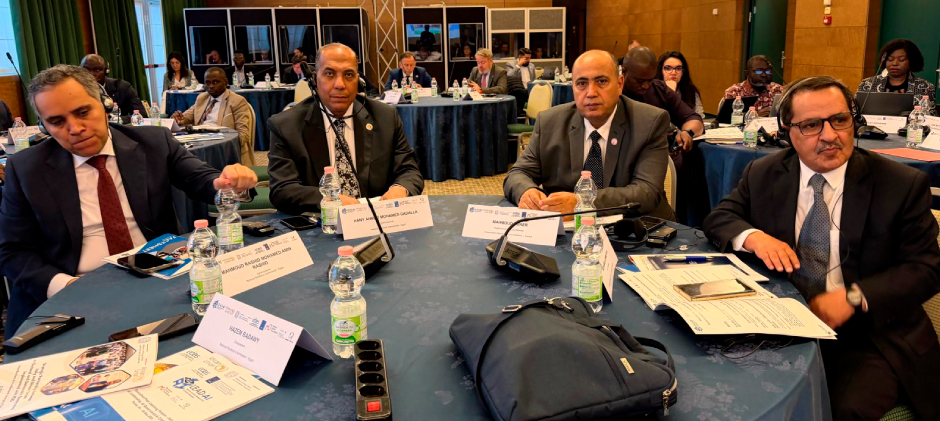
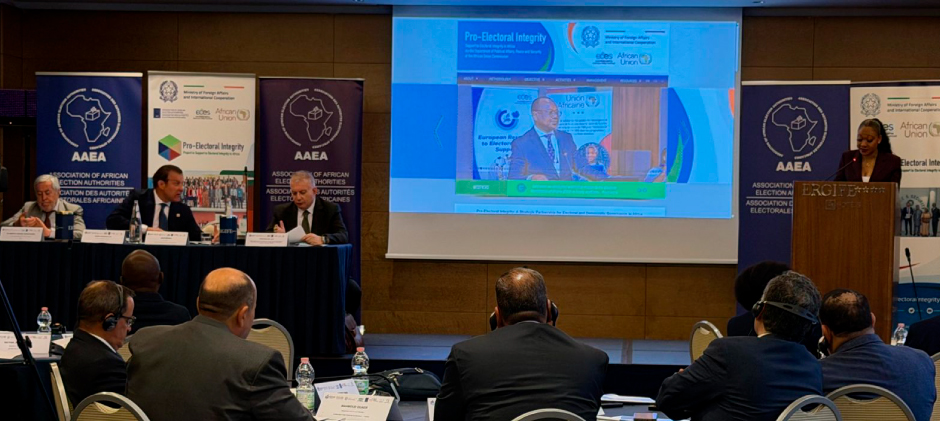
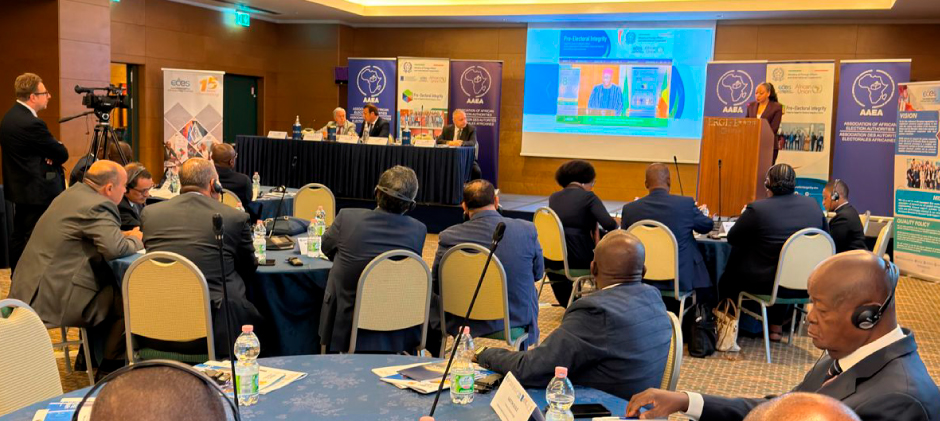
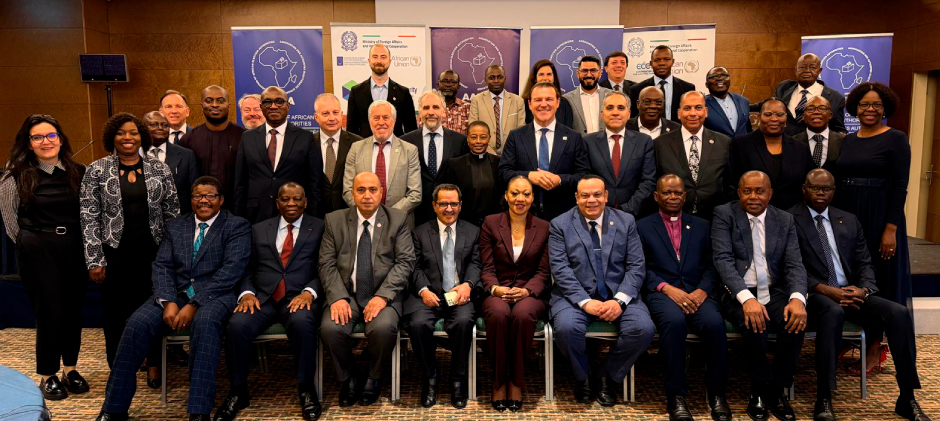
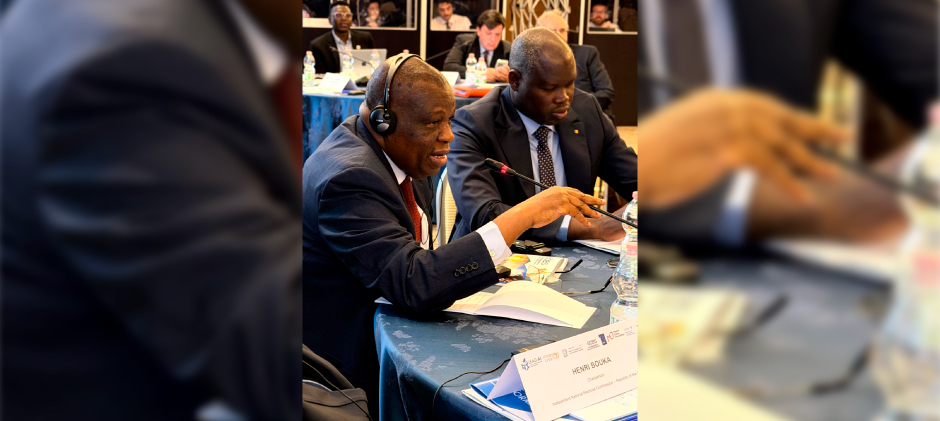
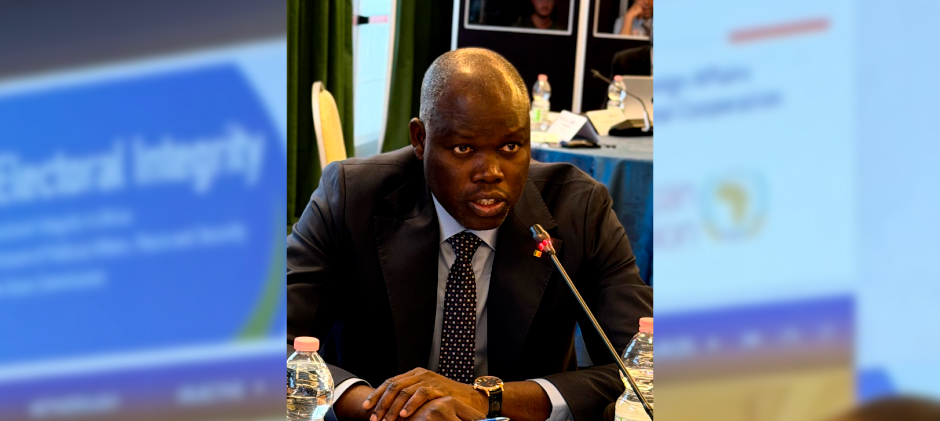
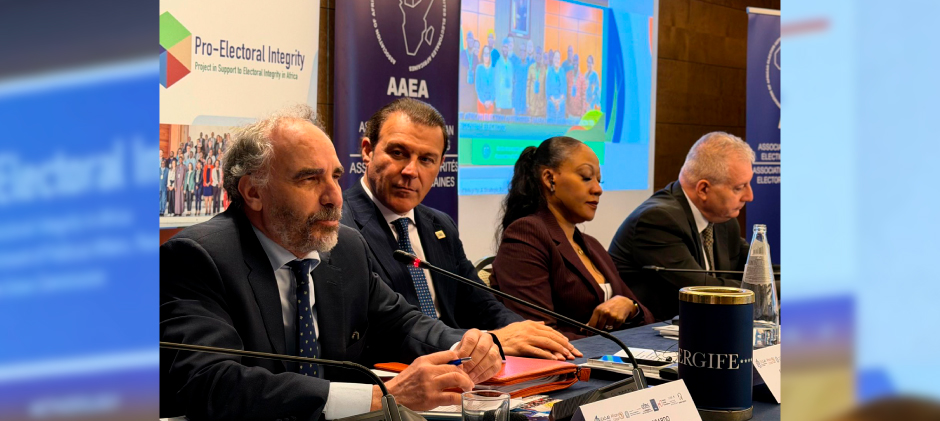
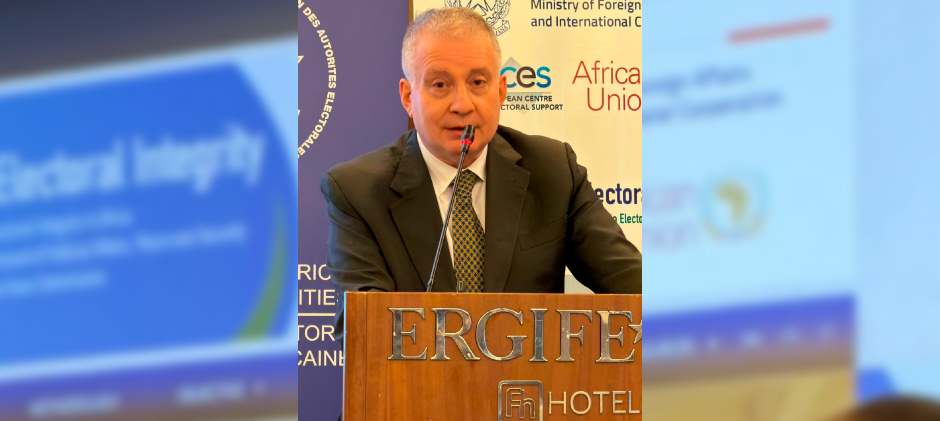
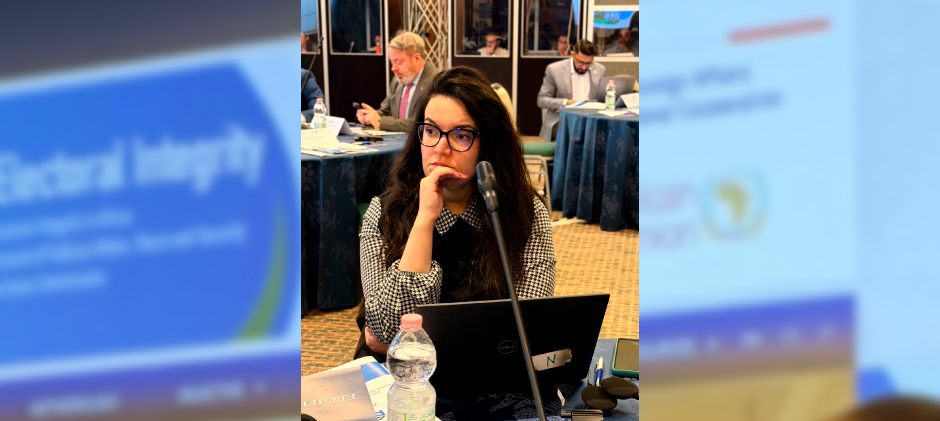
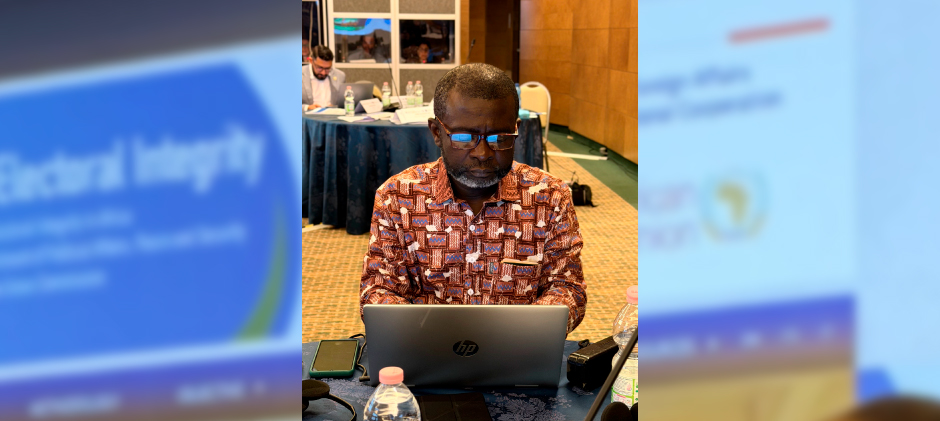
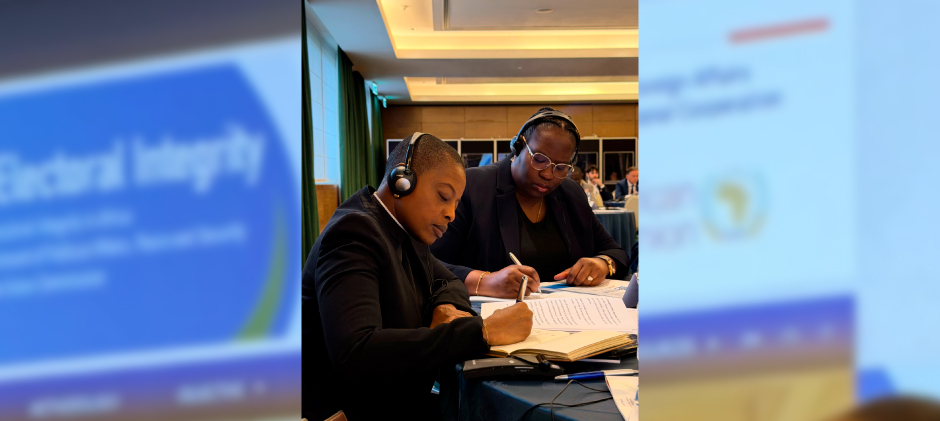
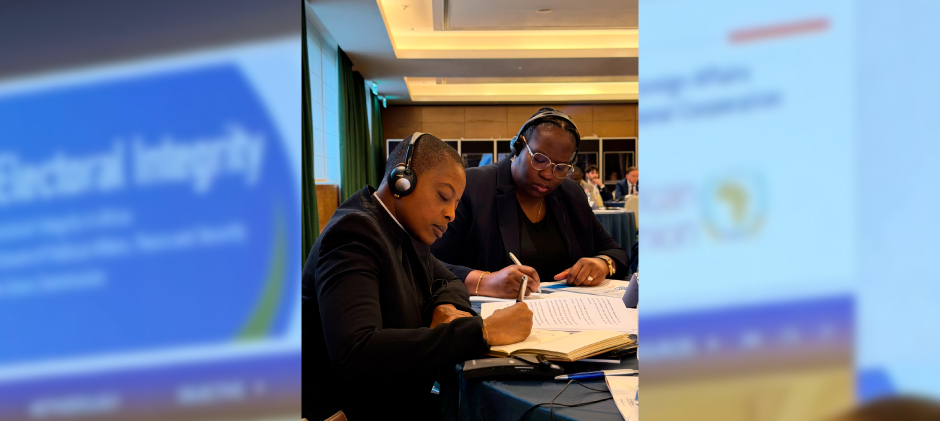
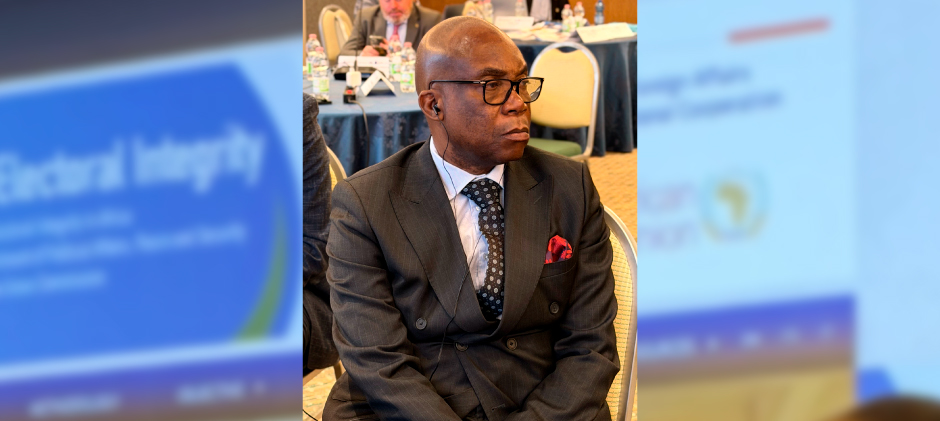
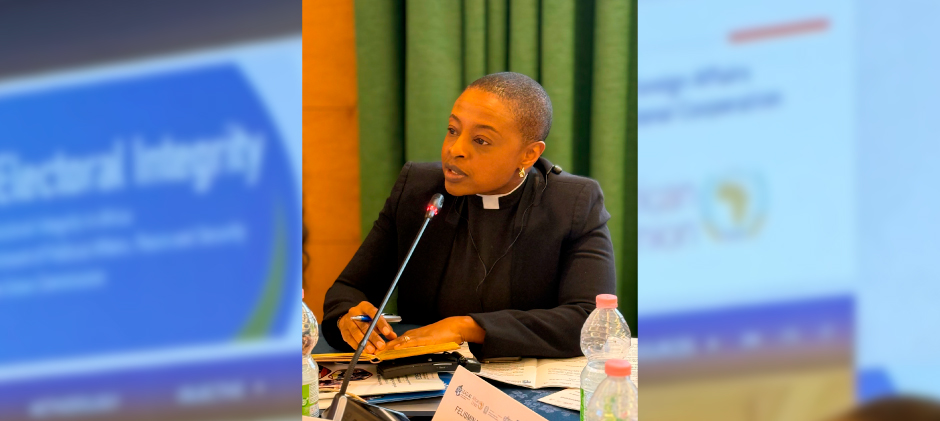
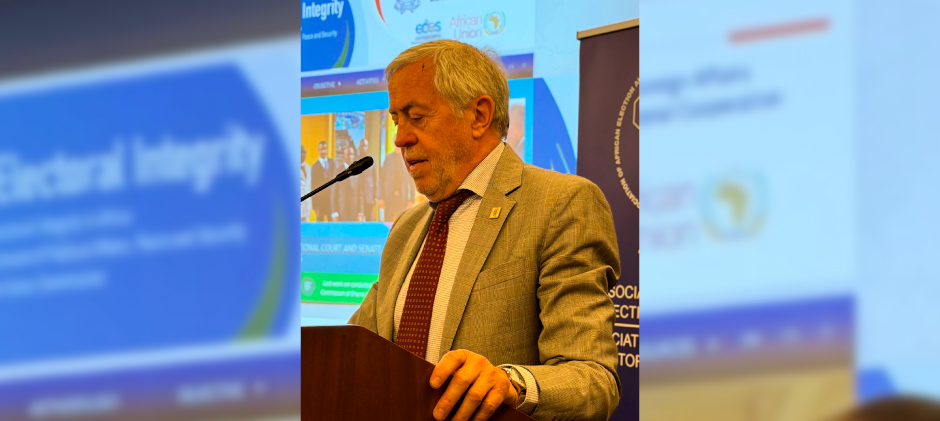
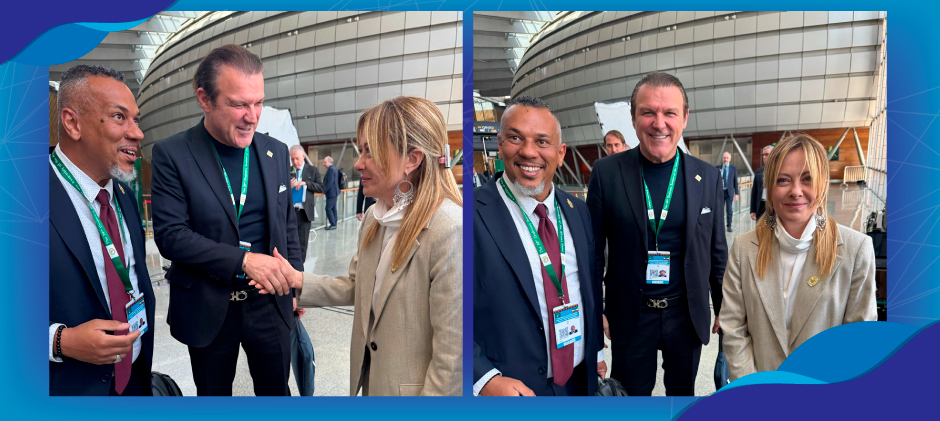
The latest high-level peer learning mission took place in Rome from 4 to 8 May 2026, bringing together senior African electoral officials with Italian institutions to address emerging challenges related to cybersecurity, artificial intelligence, electoral resilience, and democratic governance. The mission was implemented in cooperation with Med-Or Italian Foundation, the Research Center for International and Strategic Studies (CISS) of Luiss University, the Italian Ministry of Foreign Affairs and International Cooperation, the Italian National Cybersecurity Agency, the General Directorate for Electoral Affairs of the Italian Ministry of Interior, Leonardo, the Office of the Prime Minister of Italy, the Immagine Foundation, and other institutional partners.
Through this approach, the project contributes to fostering peer dialogue, institutional cooperation, and the exchange of comparative experiences among African and international electoral stakeholders. It reflects a joint commitment by Italy, the African Union, and ECES to support more resilient and inclusive electoral governance ecosystems across Africa.