
The methodology of the Pro-Electoral Integrity project is grounded in the electoral cycle support approach of the European Centre for Electoral Support and in the African Union's democratic governance and conflict-prevention frameworks. It is multi-dimensional and conflict-sensitive, combining institutional strengthening, peer learning, technical electoral assistance, capacity development, and policy dialogue to promote electoral integrity and democratic resilience across Africa.
The project's work is organised around the two interconnected result areas of the Italian-African Peace Facility (IAPF) — Conflict Prevention and Post-Conflict Peace-Building — within which it combines preventive action, institutional accompaniment, and support to long-term democratic consolidation.
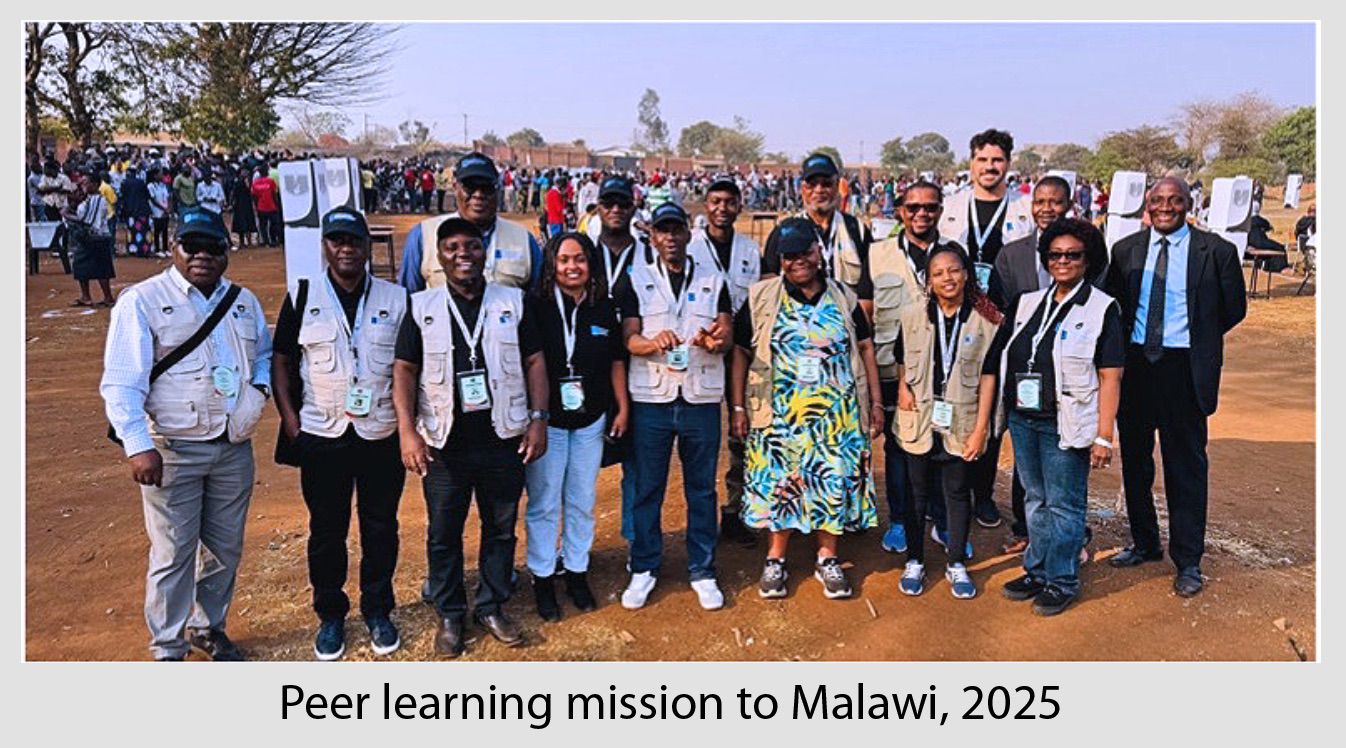
A central methodological component is peer-to-peer exchange among Electoral Management Bodies. Through Peer Learning and Exchange Missions organised together with the Association of African Election Authorities (AAEA), EMB's chairpersons and senior electoral officials are deployed to countries holding elections to exchange experience, provide technical advice, and support fellow institutions during sensitive electoral periods. These missions are designed not as observation exercises but as solidarity and institutional-resilience mechanisms that reinforce shared continental standards around electoral integrity. This approach is paired with adaptive learning, allowing the cooperation to remain flexible and responsive to evolving political and electoral contexts.
A further methodological pillar is tailored technical assistance to EMBs. ECES and African Union experts deploy short-term missions, customised to the operational needs of each EMB ahead of electoral periods, providing specialised expertise in areas such as electoral operations, electoral communication, media monitoring, social media analysis, cybersecurity, the use of artificial intelligence in elections, and electoral conflict prevention. This support is adapted to national contexts and delivered in close collaboration with EMB personnel to ensure institutional ownership and sustainability.
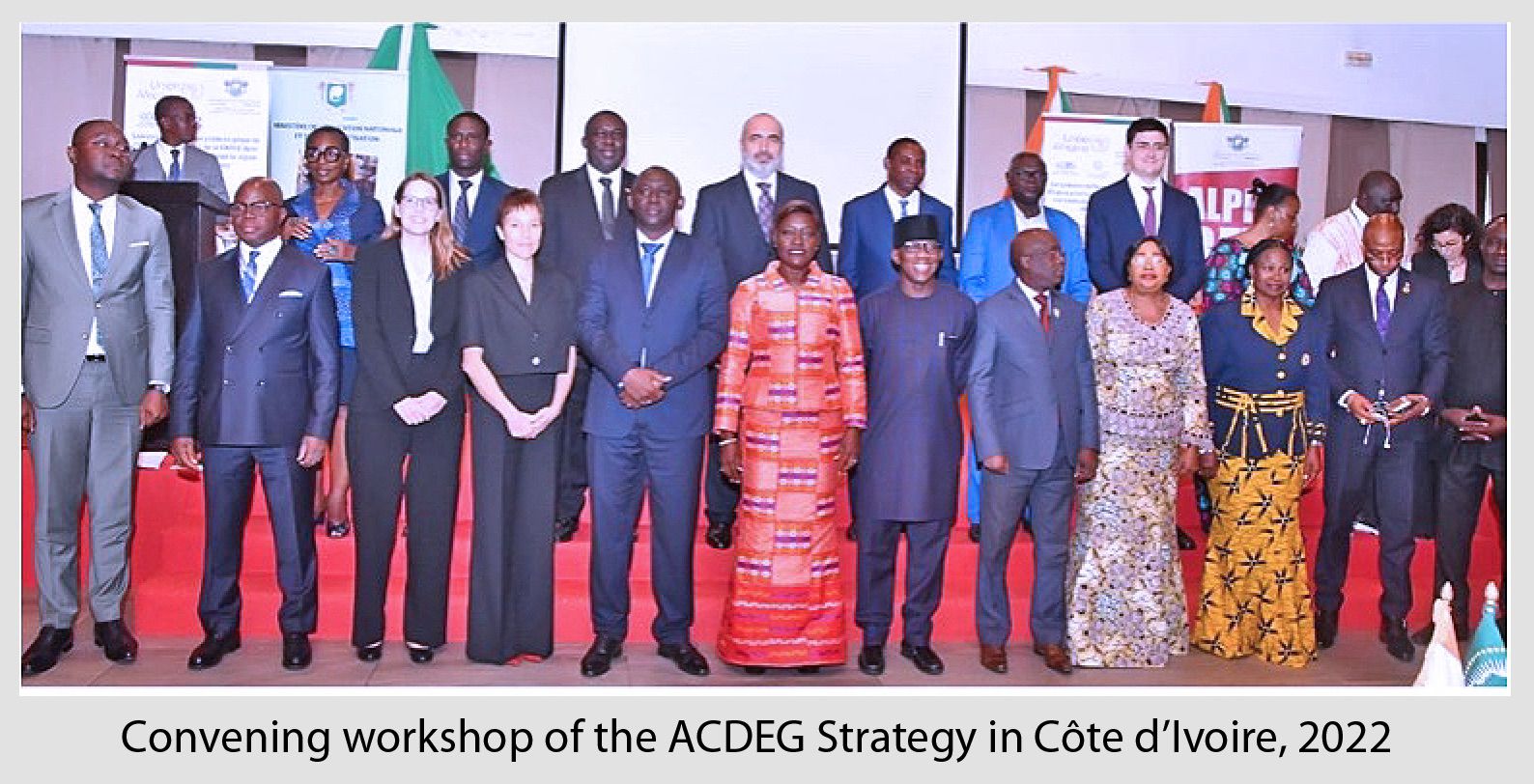
The project also uses educational and normative mainstreaming as a method for long-term democratic consolidation. Through the African Charter on Democracy, Elections and Governance (ACDEG) school curricula initiative, it supports the development and piloting of pedagogical materials across African regions, embedding democratic values, constitutionalism, the rule of law, and civic education within national education systems.
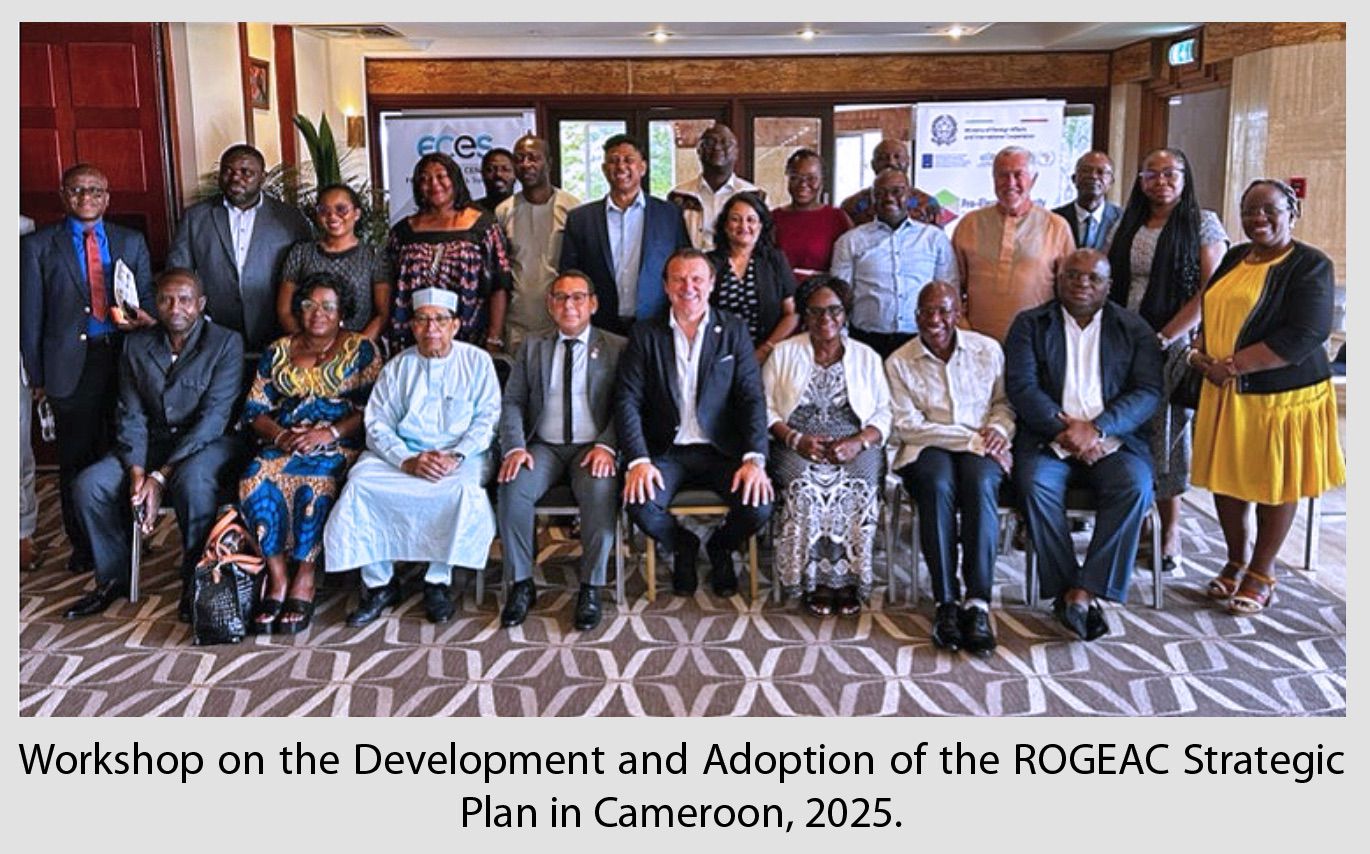
Dialogue-based and participatory methods complete the approach. Continental forums, high-level dialogues, and regional cooperation platforms bring together African Union institutions, regional economic communities, civil society, and youth, women, and electoral stakeholders to foster collective ownership of democratic norms and strengthen regional cooperation on electoral governance and conflict prevention.
 Across all these components, the methodology is rooted in the African Union principle of African-led expertise, regional ownership, and intra-African cooperation. ECES supports this through its EURECS methodology — the "European Response to Electoral Cycle Support" — which emphasises electoral cycle support, leadership development, peer exchange, mediation, and the prevention of electoral conflicts.