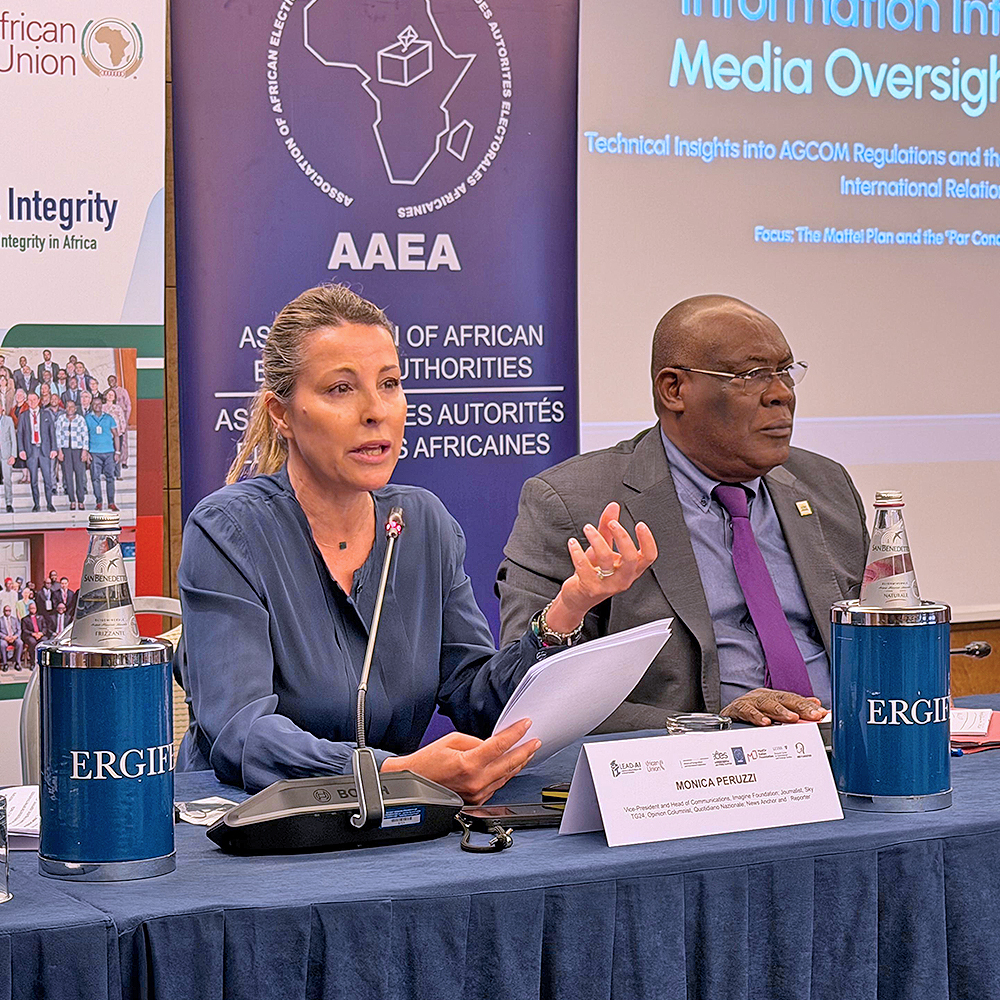
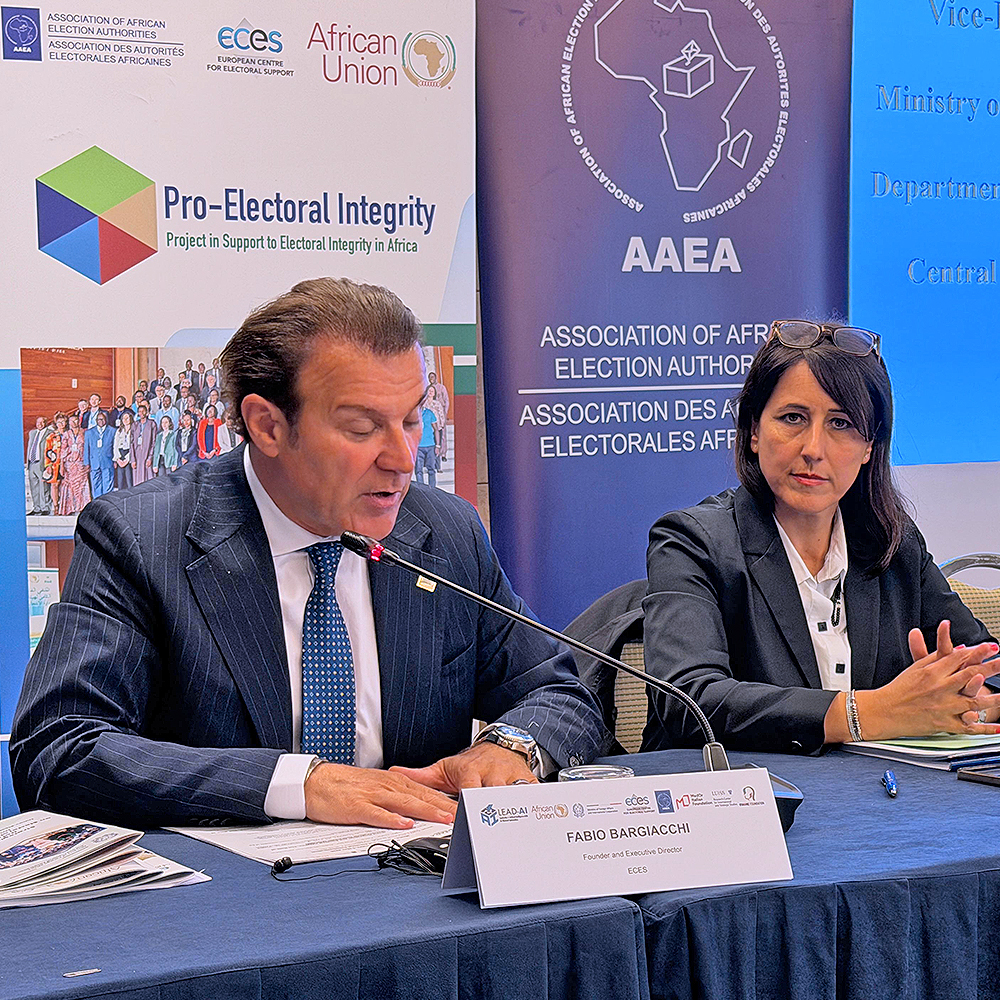
Executive Peer Learning Mission of AAEA in Rome

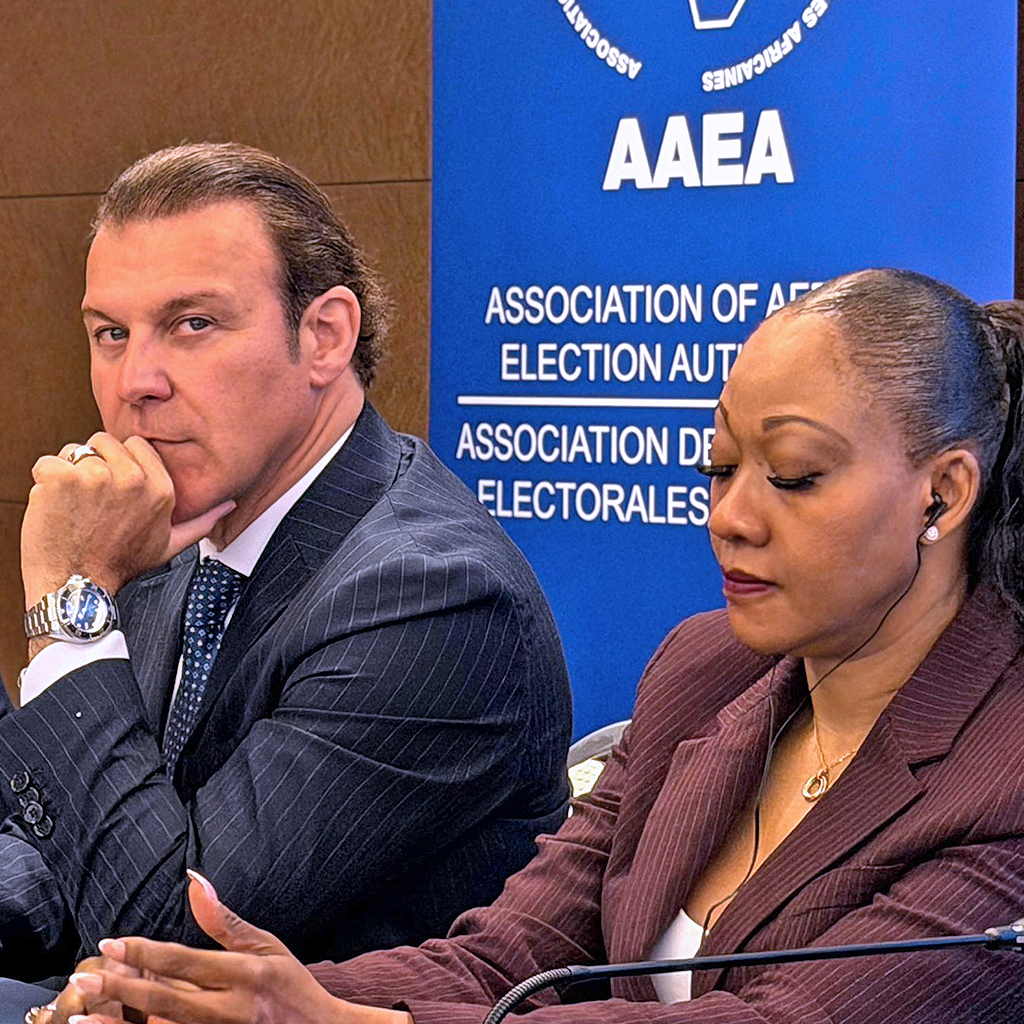
Rome hosted, for the first time since the launch of the Pro-Electoral Integrity project, a high-level Executive Peer Learning Mission of the Association of African Election Authorities (AAEA), implemented by the African Union Commission and the European Centre for Electoral Support, with the support of Italy through the Italian Ministry of Foreign Affairs and International Cooperation.
The mission brought together Electoral Management Bodies (EMBs) from countries participating in Italy’s Piano Mattei initiative, alongside representatives of continental and regional African electoral networks, for an intensive week of peer exchange and comparative dialogue on contemporary electoral challenges and democratic governance.
The programme focused on key themes shaping the future of electoral integrity and democratic resilience, including electoral governance and institutional frameworks, artificial intelligence in electoral processes, media integrity and disinformation, cybersecurity, and emerging threats to public trust in democratic institutions.
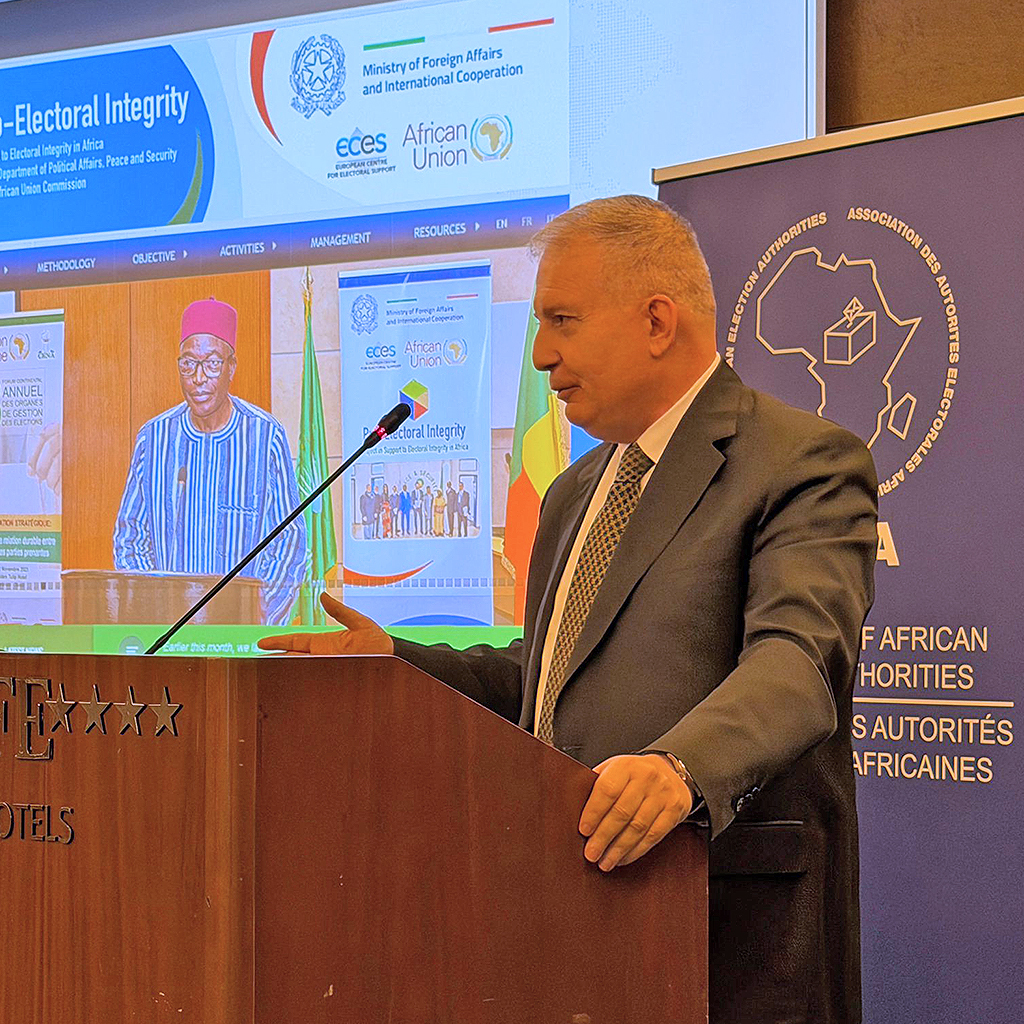
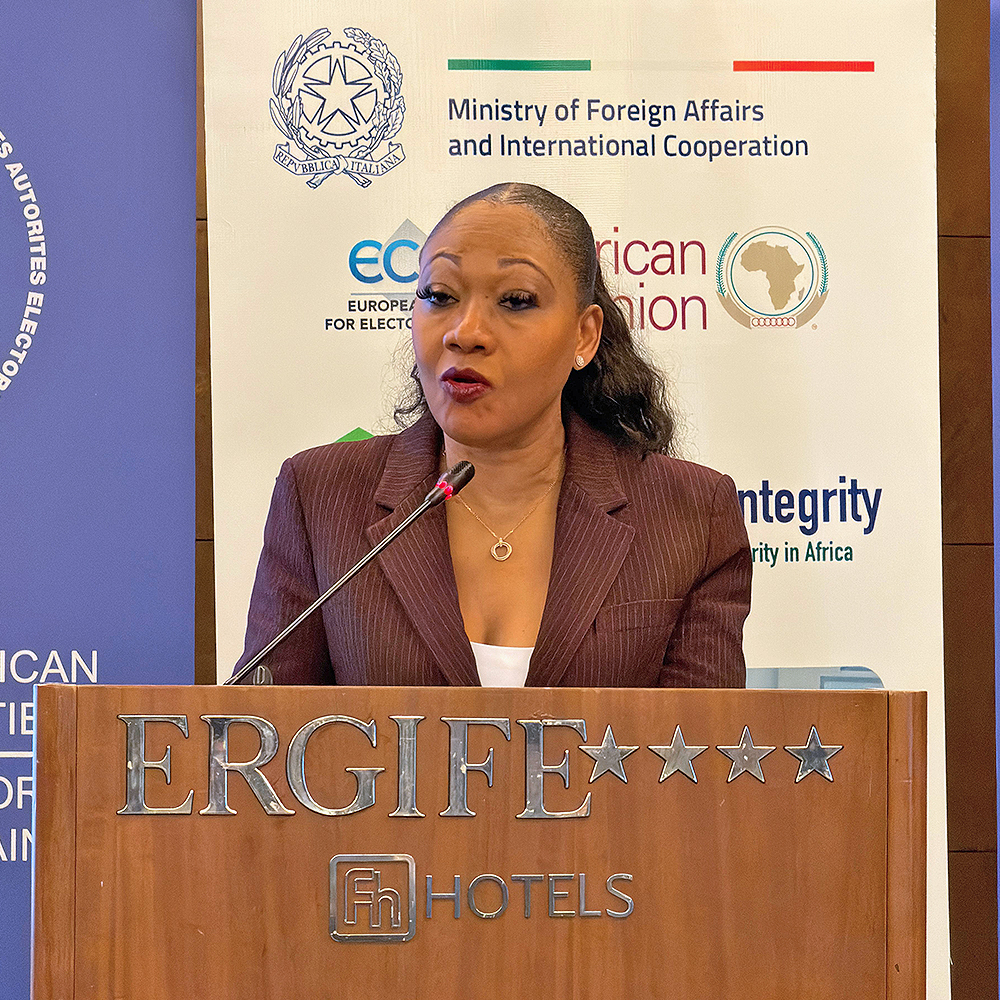
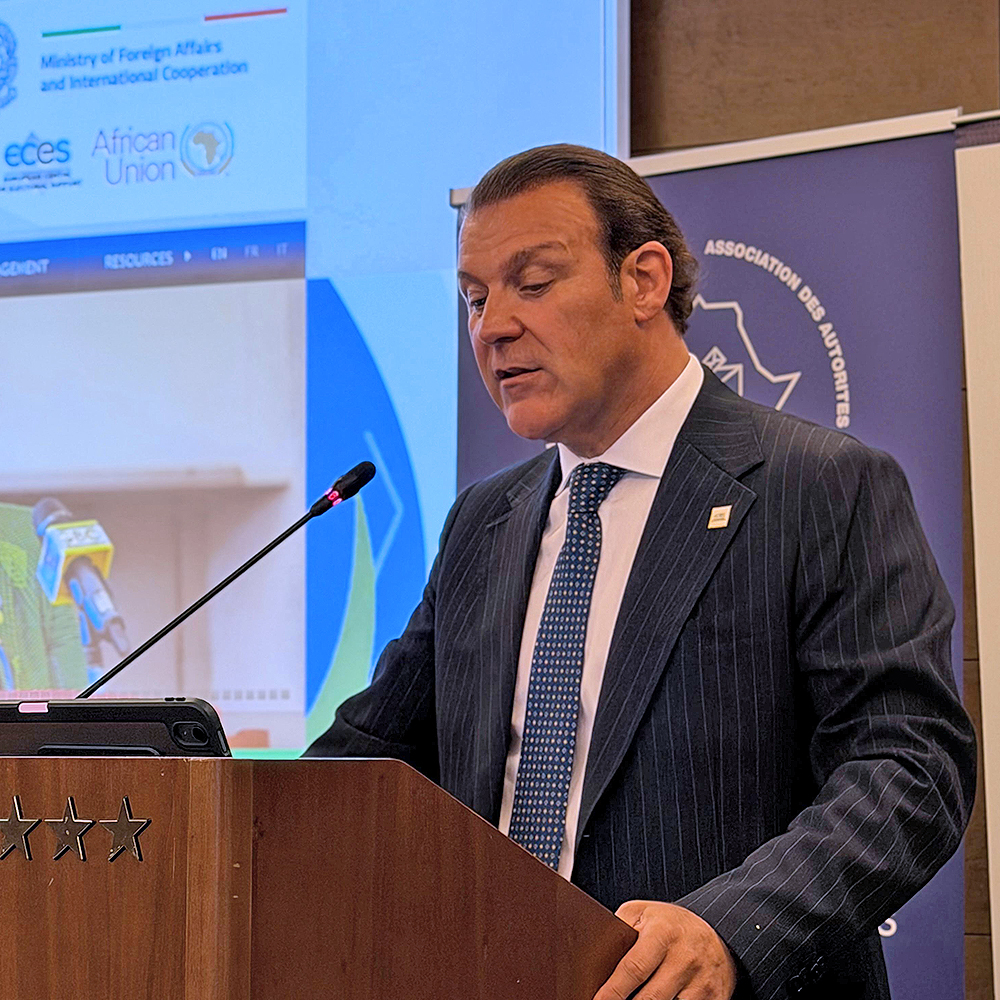
The opening session featured remarks by Stefano De Leo, Deputy Director-General for Globalisation and Global Issues and Central Director for Sub-Saharan African Countries at the Italian Ministry of Foreign Affairs and International Cooperation; Fabio Bargiacchi, Founder and Executive Director of ECES; and Jean Mensa, Chairperson of the Electoral Commission of Ghana and President of the Association of African Election Auhtorities (AAEA).
Throughout the week, participants engaged with leading Italian institutional experts and electoral practitioners on Italy’s electoral system, electoral management framework, and contemporary challenges linked to digital transformation, cybersecurity, artificial intelligence, and democratic legitimacy in the digital era.
The exchanges covered a broad range of topics, including Italy’s strategic engagement in Africa within the framework of the Piano Mattei, democratic governance and institutional resilience, electoral management and operational coordination, voting procedures, technology and innovation in elections, transparency and digital accessibility, as well as disinformation, AI-generated content, cybersecurity, and risks to electoral integrity.
Particular attention was dedicated to the use of technological tools in electoral administration, including electronic voting systems and Italy’s Eligendo platform, while discussions also explored comparative African experiences and regional best practices in strengthening public trust and safeguarding electoral processes.
ECES, together with the AAEA and the African Union Commission, expressed its sincere appreciation to the Italian authorities and institutions whose expertise and contributions made the mission possible.
Among the key contributors were representatives from the Ministry of Foreign Affairs and International Cooperation of the Italian Republic, including Stefano De Leo; the Presidency of the Council of Ministers, including Massimo Riccardo, Special Envoy for the Mattei Plan of the Italian Minister of Foreign Affairs and International Cooperation, and Ambassador Michele Giacomelli, former Special Envoy of the Italian Minister of Foreign Affairs for Cybersecurity; as well as officials from the Ministry of the Interior of the Italian Republic – Department for Internal and Territorial Affairs, Central Directorate for Electoral Services, including Vice-Prefect Dr Eleonora Albano, Vice-Prefect Dr Fabio Maurano, Dr Salvatore Galatioto, Dr Filippo Corsi, Dr Chiara Locascio, and Dr Gianmarco Colucci.
Their interventions contributed to a valuable exchange of comparative practices between Italian institutions and Electoral Management Bodies from across Africa, reinforcing dialogue on electoral integrity, democratic resilience, and institutional cooperation between Europe and Africa.
The Executive Peer Learning Mission marks an important opportunity to strengthen cooperation and peer exchange between African Electoral Management Bodies, Italian institutions, and international partners on the evolving challenges and opportunities affecting electoral integrity and democratic governance in the digital era.